Damien McCarthy quickly became a legend at The Overlook when the festival screened his 2024 spookshow Oddity to a loudly reactive crowd, then snuck in one last scare on the way out by propping up its creepy wooden puppet at the theater’s only exit. Oddity had great word of mouth in the queues between showtimes that year, celebrated as the rare movie to actually scare the jaded horror-nerd audiences who’ve already seen it all. McCarthy’s return to the festival with 2026’s Hokum was highly anticipated, then, boosted by the savvy marketing team at Neon and the name-recognition star wattage of Adam Scott. With Hokum, McCarthy once again demonstrated a unique talent for constructing an effective jump scare (even eliciting a top-volume scream from a fellow Swampflixer, whom I will not name & shame in this review). That’s why it’s a little disappointing that the scares are so sparse in this bigger-budget follow-up, where McCarthy is determined to dwell in Elevated Horror atmosphere instead of routinely setting up & knocking out the scare gags he stages so well. Although each were effective, I can count Hokum‘s memorable scares on a single hand, while the majority of its runtime was spent exploring every inch of its haunted hotel setting in near silence.
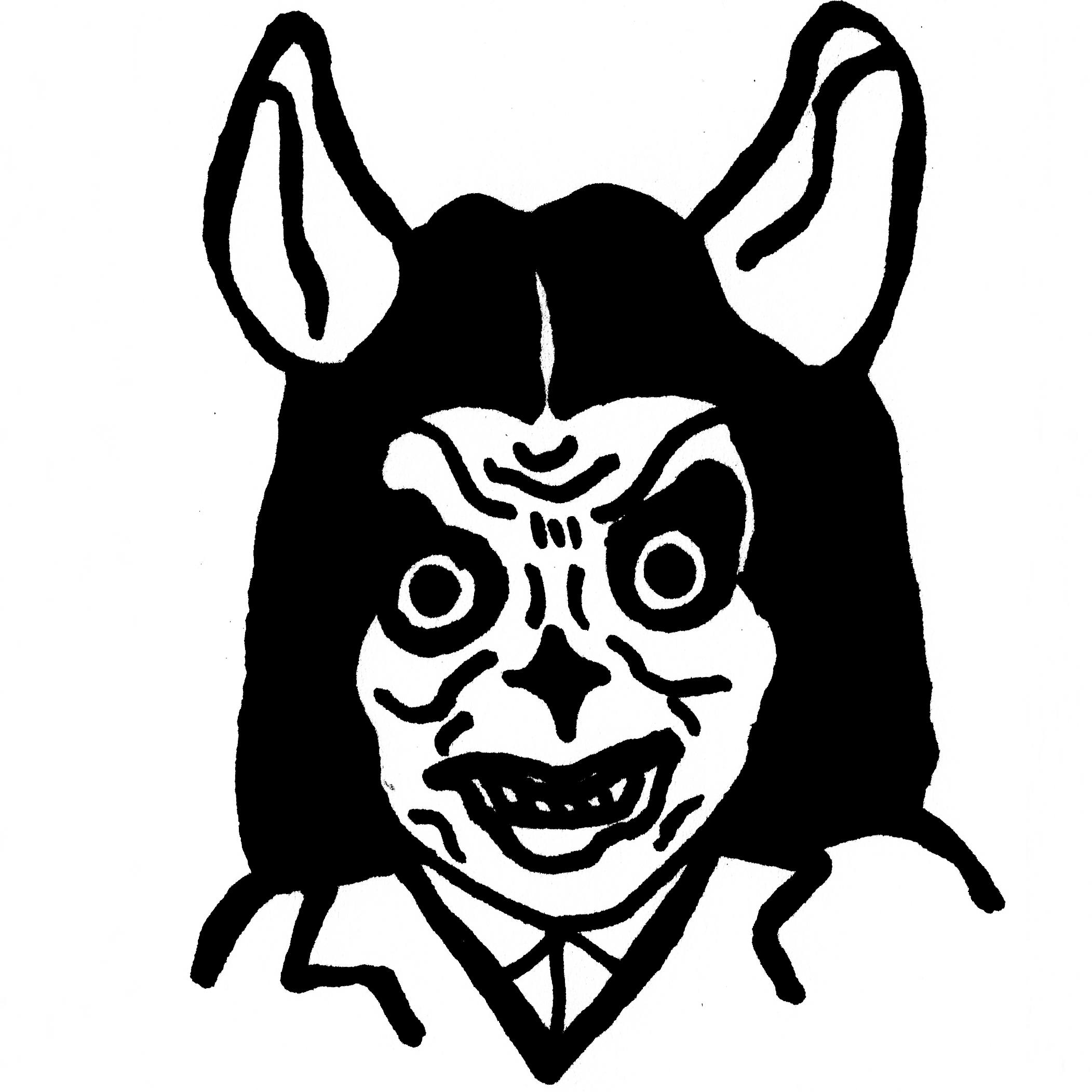
A spooky atmosphere goes a long way, though, and McCarthy makes intriguing use of Hokum‘s haunted hotel location by sidestepping the type of supernatural ghoul you’d typically expect to confront there. Adam Scott stars as an asshole alcoholic novelist who’s hoping to spend a few days quietly ignoring the world in a remote Irish inn. Against his will, he accidentally makes friends with the inn’s snarky bartender (Florence Ordesh) and then finds himself investigating the mysterious circumstances of her sudden disappearance (and presumable murder). That vigilante Murder He Wrote investigation quickly gets the novelist trapped in the hotel’s haunted honeymoon suite, where he’s tormented by vengeful spirits of the past. The most shocking thing about Hokum, then, is that it’s not technically a ghost story, at least not in the traditional sense. Adam Scott’s spooked protagonist is specifically locked in an Old Dark House setting with a witch—not a ghost—who’s occasionally joined (or takes the form of?) a humanoid donkey with a wicked sense of humor. She is a stereotypically witchy hag, warts & all, when the film’s setup leads you to expect another classic Halloween costume entirely (a bedsheet with eyeholes).
Hokum was not the only bait-and-switch ghost story I saw at this year’s Overlook. Taratoa Stappard’s debut feature Mārama also plays with Gothic Horror visual tropes that lead its audience to expect traditional ghostly hauntings, but its version of a haunted house story turns out to be “spiritual” in an entirely different sense. Adriana Osborne stars as a 19th century Māori woman who travels from New Zealand to England in search of her missing twin sister. The spirits of her sister, her mother, and another ancestor do haunt the spooky English estate she sets out to investigate, but her supernatural connection to them is more rooted in Māori religious traditions than in haunted-house movie tropes. The real horror haunting the house is not these women’s lingering spirits but the greater evil of British colonialism, which is what displaced them from New Zealand in the first place. Every time our troubled paranormal investigator is confronted with a supernatural scare, it’s always represented as some pilfered & perverted aspect of her culture: relocated homes, ceremonial masks, mutilated whales, a straight-up minstrel show, etc. Mārama is the kind of politically furious, grounded-to-reality horror story you can tell only dabbles in genre tropes because it’s more difficult to get funding for an arthouse drama on the same subject. See also: Nikyatu Jusu’s kinda-sorta folk horror Nanny.
Yûta Shimotsu’s Lovecraftian horror comedy New Group also dabbles in classic haunted-house movie atmospheres, but it proves to be even more difficult to pin to a single genre designation than Hokum or Mārama. Like McCarthy, Shimotsu quickly became an Overlook crowd favorite with his previous picture, Best Wishes to All, but his follow-up swerved in much more inscrutable directions. New Group might be an alien invasion story; it’s hard to say. It’s certainly a variation on the Uzumaki plot, trading in Junji Ito’s town-wide obsession with spirals for a town-wide obsession with “human pyramid” gymnastic formations. Inexplicably, a human pyramid is forming outside a small-town Japanese high school, gradually growing to skyscraper scale one joiner at a time. It’s unclear what’s inspiring this sudden social phenomenon except a generalized urge to belong, and it quickly spreads off-campus to inspire different cheerleader-style human structures elsewhere in town. Because of the film’s scope & budget, though, it’s difficult to convey the widespread danger of the phenomenon, so Shimotsu shrinks the threat down to a single container: the high school gym. Only, the gym was temporarily converted to a Halloween-style haunted house by the students before they were compelled to join the pyramid, providing a traditionally spooky environment for the town’s few defectors to be chased around by the mind-zapped gymnasts in their midst. Supernatural hijinks ensue, both inside the makeshift haunted house and on the playground outside the high school’s walls.
New Group is a delightful headscratcher for audiences of any age, but it’s going to blow the mind of the right teenager who’s watching their first Weird Movie in the exact phase when their #1 enemy is Conformity. The genre-filmmaking payoffs of Hokum & Mārama are much more immediately apparent, since their own haunted house settings are merely stages for their bigger interests in jump scares & political commentary. As a group, this unlikely international trio illustrates just how flexible horror movie tropes as old-hat as a Haunted House still are. Each film uses that setting for an entirely different purpose, stocking it with an entirely different monster: witches, ancestral spirits, and gymnastics-obsessed townie conformists who may or may not be mind-controlled by space aliens, respectively. The reason strictly horror-focused film festivals like Overlook never get tiresome is because the genre allows for that kind of tonal & thematic range, freeing filmmakers to be as scary or political or absurd as they want, trusting that audiences is familiar enough with the environment that they’re game for anything you stage within it.
-Brandon Ledet

