Last year, after watching The Blue Gardenia and being particularly taken with Ann Sothern in it, I looked her up and discovered that, over the course of eight years, she had starred in ten(!) films as a character named Maisie Ravier, a misadventuring showgirl. Those ten films are largely forgotten now, but I found all of them on Russia’s YouTube equivalent as uploaded VHS rips from Turner Classic Movies airings, and I dutifully archived them for this year with the intent of watching them all and writing about them for something I intended to call “Maisie May.”
Maisie May extended beyond the reach of the actual calendar month, but we still had a good time, didn’t we? In wrapping up these hours spent with Ann Sothern, I figured it would be best to do a ranking of the Maisie series, from worst to best. There’s virtually zero continuity within these films, so you can really pick up any of them at random. In a discussion that we had on a recent episode of the podcast, Brandon posited that these films would fit in easily as “programmers,” the kind of thing one would plug into an empty space in a screening event or programming block that could easily fit a broad theme. In that spirit, here comes Maisie, with recommendations for pairings.

10. Congo Maisie
Easily the worst of the bunch. Should not be programmed outside of an academic setting about casual racism in Hollywood history, alongside Birth of a Nation and Crash.

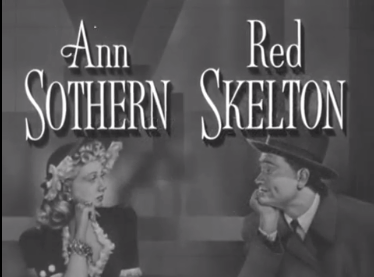
Below par. Sothern gets pushed to the side to make room for big name costar Red Skelton, who does a series of bits that are so awkwardly unfunny that time seems to stand still. Picks up once the intrigue of the plot starts to set in, but it’ll be far too late in the runtime for most to perk up about it.
Series: Red Skelton Red-trospective, as the finale following Merton of the Movies and Whistling in the Dark.
A decent but somewhat middling effort, an attempt to cash in on both the recent publication of John Steinbeck’s The Grapes of Wrath and the John Ford film adaptation thereof, coming out the very same year as the latter. Some charming performances from child actors, and Maisie’s conflict with the grumpy ghost town dwellers is a nice treat. Nothing to write home about.
Series: The Dust Bowl, between The Grapes of Wrath, naturally, and Paper Moon.

Maisie finds herself employed as the companion of an elderly woman who doesn’t know that her son is making his money as a boxer. The story’s a little thin, but Maisie gets the opportunity to shine regardless, and it’s an unexpected twist that the decent girlfriend of the lead turns out to be a heel. Sothern has great chemistry with her real-life husband in what I believe is the only production they ever shared.
Series: Let’s Get Ready to Rrrrrrumble, as the second feature following Body and Soul and preceding Raging Bull.

6. Maisie
The film in which we first meet our beloved heroine. The story beats in this nontraditional comic Western appear, retroactively, to be tired, but it’s only because the later films would lift bits: the unfaithful woman, the sudden appearance of an unexpected suicide (or an attempt thereof), Maisie settling down at the end with a man and a fortune, neither of which will ever be seen again. There’s a reason that there were so many sequels, though, and it’s because Ann Sothern really is just that charming.
Series: How the West Was Fun, sandwiched between City Slickers and Support Your Local Sheriff!

A fun little romp wherein we find Maisie in the employ of some mopey rich folks. She charms her way into everyone’s hearts, gives a father a dressing down for trying to fill the void he left in his children’s lives with money, and saves an ingenue from being taken advantage of by a philandering hanger-on. Good stuff.
Series: Maid to Love You, at the top of the bill, followed by Diary of a Chambermaid and Scenes from the Class Struggle in Beverly Hills.

In her final screen outing, Maisie joins the LAPD as an undercover officer with the division that investigates scams and con artists. She flunks her first mission but refuses to give up, resulting in her being taken captive by a trio of criminals and forcing her to use all her wits to break free. Suffers a little for being too much like Maisie Goes to Reno in some of its broader elements, and one of the weaker romance plots for this stronger back half of the series. Fun, but not the strongest way to end the series.
Series: Legendary Legal Ladies, sandwiched between Miss Congeniality and Yes, Madam!
Maisie, overworking herself in the war effort, develops a facial tic that causes her to wink at inopportune times, earning her a prescription for some time off. She decides to spend it in Reno working as an entertainer, but a promise to a young soldier leads her to stumble onto a plot to manipulate the soldier’s wife into a divorce, so that the new divorcee can be bled dry by her business partners. Maisie goes all out in trying to save a stranger’s marriage.
Series: Reno Divorcees, as the comedic breather between The Women and Desert Hearts.

Maisie almost meets her match in conniving would-be actress Iris (Jean Rogers), while also documenting what women helping in the war effort did in their downtime and acting as a subliminal OSHA-esque reminder about protective equipment in the workplace.
Series: B&W Women And War, alongside The Cranes are Flying and Millions Like Us.
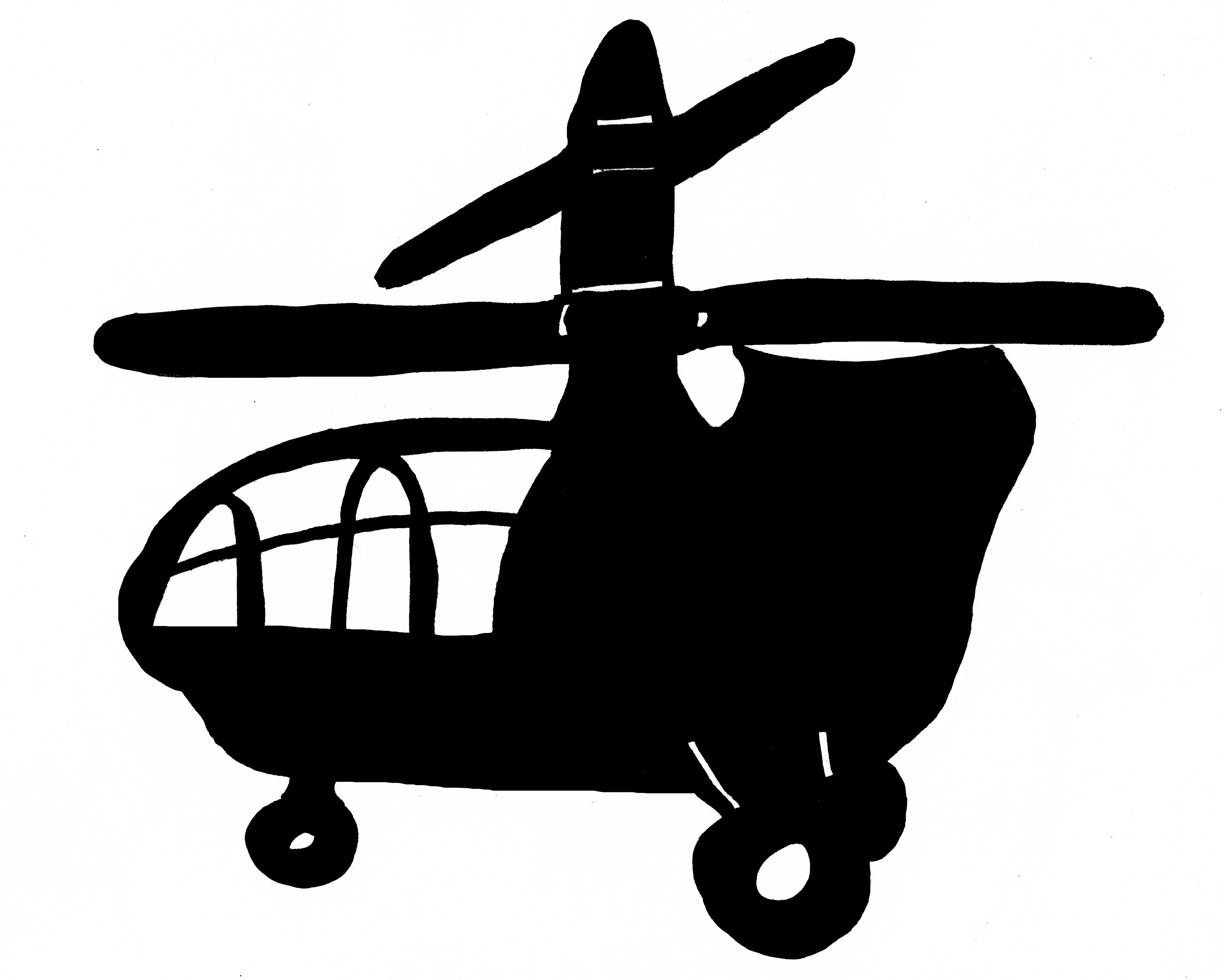
Maisie finally gets involved in some real espionage! It’s corporate espionage, sure, but it still counts. Maisie’s love interest du jour is the inventor of a helicopter that can be operated as easily as a car, but one of the men on his crew is in collaboration to steal the prototype and fake its destruction. Maisie gets drugged at her engagement party and does a high dive in her clothes, and by the end of the film she’s flying the sweetest miniature of retro futurist helicopter that you ever saw like she was born for the skies. An utter delight.
Series: Fantastic Aviatrices, as the lead up to Sky Captain and the World of Tomorrow, followed by Nausicaa.
-Mark “Boomer” Redmond