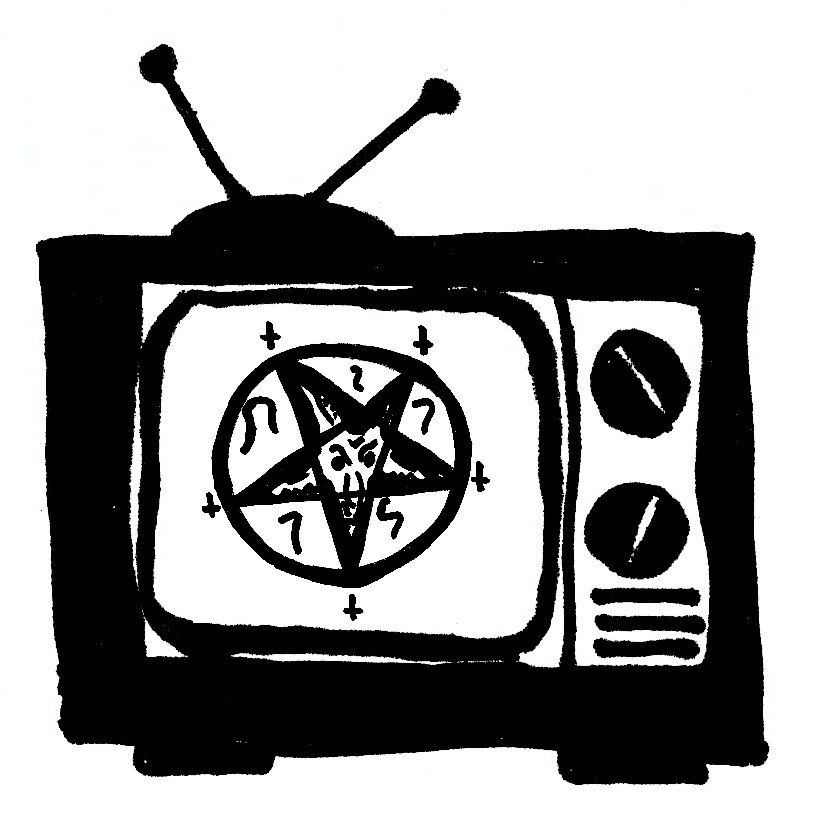

It’s easy to get dispirited by the deluge of current pop culture product that’s just nostalgic regurgitation of vintage hits from decades ago. If you dwell on how much of our current “creative” output is just a distant echo of pre-existing iconic works, you’re only going to see a culture in decline. Not all pastiche is empty, though. While most nostalgia bait cites past triumphs for an easy pop of recognition, there are plenty modern throwbacks that sincerely interrogate or subvert the artistic intent & cultural context of their inspirational texts. For every Netflix special that drags the Power Rangers out of retirement for a nostalgia-stoker victory lap, there’s an absurdist French comedy that subverts & recontextualizes that same vintage 90s iconography into something wonderfully new & strange. The same day I saw Quentin Dupieux’s absurdist Power Rangers parody Smoking Causes Coughing at this year’s Overlook Film Festival, I also happened to catch a similarly subversive nostalgia piece in Late Night with the Devil, which dialed the pop culture clock even further back for even weirder effect (and won the festival’s Audience Award for Best Feature as a result). Late Night with the Devil is vintage TV Land horror, a parody of a late-night 70s talk show broadcast that’s hijacked midway by The Devil. It stokes vintage 1970s pop culture nostalgia as its initial hook, but mostly just uses that temporal backdrop for a sense of comfort & familiarity that can be stripped away for effective third-act scares once the titular Devil is conjured. It’s also thematically purposeful in returning to that era because it has something specific to say about pop culture at that time, an embarrassingly low bar that isn’t cleared by more routine nostalgia cash-ins like the upcoming Mighty Morphin’ Power Rangers: Once & Always.
David Dastmalchian stars as a late-night talk show host who teeters somewhere between the post-vaudevillian comedy of Johnny Carson and the cigar-smoke intellectualism of Dick Cavett. After a faux-documentary prologue sketches out the basic outline of Dastmalchian’s fictional Night Owl talk show (including its imagined ratings war with Carson and its host’s personal dabblings in the occult), we’re submerged in a real-time Sweeps Week novelty episode of the show, supposedly broadcast on Halloween Night in 1977. Even within that Halloween Special context, Late Night with the Devil mostly functions as a loose collection of 70s kitsch, touching on iconic-to-forgotten figures of the era like Orson Welles, Anton LaVey, and The Amazing Kreskin as if they’re all of equal importance. Things get dicey when the Night Owl producers restage a real-life version of Friedkin’s 70s horror classic The Exorcist as a shameless ratings stunt, unwittingly unleashing a powerful demon that calls itself Mr. Wriggles onto the American public through live broadcast. The demonic scares of the film’s back half allow its initial Nick at Nite nostalgia trip to go wildly off the rails in exciting, unpredictable ways. It also opens the text up for direct, sincere criticism of the era’s professional machismo – interrogating the ways that men nearing the top of the corporate ladder were willing to exploit the vulnerable underlings below them (especially if they’re women) just to scramble up the last few rungs. Sweeps Week desperation has never been so deadly, nor has inane talk show chatter about “current” events & the weather.
If there’s anything holding Late Night with the Devil back from achieving greatness as a standalone novelty, it’s that there are so many nostalgia-critical genre throwbacks already out there to match or best. In particular, its real-time simulation of an actual cursed, vintage TV broadcast is outshone by the Satanic Panic era news report parody film WNUF Halloween Special, which is also framed as a ratings stunt gone wrong. Not only does WNUF have more politically incisive things to say about the cultural moment it time-travels to for cheap gags & scares, but it also fully commits to the bit in a way Late Night with the Devil doesn’t dare. Instead of repeating the WNUF trick of breaking up its broadcast with parodies of vintage television commercials, Late Night cheats by bolstering its narrative with backstage drama & impossible “documentary” footage that distract from the verisimilitude of its premise. It’s a frustrating indulgence at first, but the film eventually makes the most of it in a go-for-broke, reality-bending finale that’s worth forgiving the few shortcut cheats it takes to get there. If you don’t mind a little logical looseness in your “found footage” horror novelties, Late Night with the Devil is perfectly calibrated Halloween Season programming. It pulls double duty in both nostalgically calling back to vintage horrors past (which is especially welcome if you’ve already seen The Exorcist and its many knockoffs one too many times) and finds modern political & technological justifications in returning to those well-treaded waters. It’s not nostalgia bait so much as it’s nostalgia perversion, which is a much more interesting angle than you’ll find most modern pop culture attempting.
-Brandon Ledet

 Swampflix