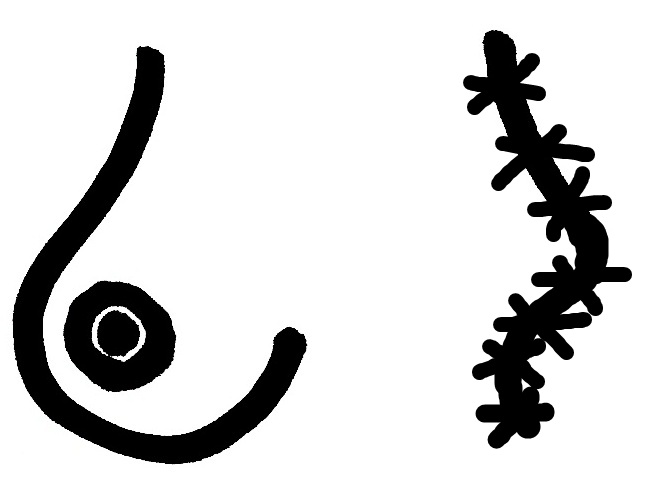

Grief has been the major theme of horror cinema for the past decade, while Conspiracy has been the major theme of mainstream political thought. Only David Cronenberg could find a way to eroticize both in a single picture. The king of the perverts continues his reign, despite his reluctance to wear the crown.
Vincent Cassel stars in The Shrouds as a David Cronenberg type: a silver-haired Torontonian millionaire named Karsh, whose grief over the recent passing of his wife has made it impossible to enjoy his life’s refinement & luxury. Only, that onscreen avatar has fully given into the modern evils that have tormented Cronenberg’s consciousness throughout his career as a public figure: the menacing intersection of technology & sex. Karsh drives around a near-future Toronto in his Tesla-brand electric car, enjoying the occasional indulgence in fine-dining extravagance while mostly spending his alone time obsessing over digital images of his dead wife. His most intimate relationship is with a cartoon A.I. assistant named Honey, and he’s struggling to suppress his sexual desire for his wife’s surviving sister — both of whom are played by Diane Kruger, the same actor who represents his wife in memories & photographs. If I were to therapize what the director is doing with Cassel’s aimlessly selfish protagonist, I’d say he’s confronting the worst-faith version of himself as a way of processing the real-life loss of his own wife. None of that is really my or anybody else’s business, though, and it’s just as likely he’s satirizing a societal malady as he is expressing a personal one.
Conceptually, The Shrouds is designed to question the fetishism & alien rituals of how we grieve our loved ones, calling attention to them in the same way that the sensation of our tongues being housed inside our own mouths doesn’t feel bizarre until the moment their presence is singled out. If it’s socially acceptable for Karsh to eroticize and mourn the loss of his wife’s physical body, how specific is he allowed to be? If it’s romantic to miss touching his favorite of her breasts, then what is so strange about eroticizing & mourning her teeth? Would it be any stranger for him to browse .jpegs of his wife’s dental scans than it would to occasionally flip through her nude Polaroids? If all he has to remember her by is images of her body while she was still alive, would it be so strange to extend that keepsake collection to images of her body in death? Neither set of images represents her, exactly. They’re just records of the physical traits that housed her essence, which left the flesh as soon as she passed. And what of the ritual where a surviving spouse plans & purchases their funeral-lot burial directly next to their deceased lover for whenever they happen to die themselves? Why wait until death to join your spouse in your shared marital cemetery bed? What if you could stay with them every minute until your own body expires, through the portable convenience of a smartphone app?
Cassel’s Karsh is a tech-bro innovator who has disrupted the funeral service game by investing in technology that allows you to connect with your deceased loved one’s grave at any time, via app. You no longer have to fight the impulse to jump into the coffin to be buried with them, not since there are live 3D images of their corpse rotting in real time, thanks to the visual sensors of the titular future-tech shrouds. That lingering impulse to stick by his wife after her body expires commands what’s left of his erotic life: his growing tensions with the wife’s conspiracy-theorist sister, his uncomfortably flirtatious relationship with his A.I. digital assistant, and his nightly visits from the ghostly memory of his wife in declining health, which he remembers as a series of experimental surgeries he considers a form of medical adultery. Cut off from physical access to his wife’s body, he looks for its closest surviving substitutes and finds only terror, alienation, and betrayal in the pursuit. Meanwhile, the proof-of-concept graveyard showroom for his shrouds tech is vandalized, while international protestors threaten to take down his entire personal empire in a far-reaching conspiracy of circular logic & capitalist sin.
There’s no dramatic resolution or clarifying statement that ties all of these cold, alienating concepts together. Expressing unease with how technology & sex are integrated into the grief process is the entire point of the project, so it would be self-defeating to alleviate any of it. Instead, Karsh becomes increasingly paranoid & isolated in his quest to reclaim his wife’s body as a physical presence in his life, despite the impossibility of that happening, as she is dead & buried before the movie begins. The seemingly conspiratorial efforts to keep him separated from that body are their own source of erotic terror rather than a source of narrative structure, which makes for just about the strangest way this story could possibly be told. It’s a cold, philosophical rumination on the inhumanity of modern living — one that prompts you to laugh at the deadpan absurdity of its delivery before you realize just how chilling you find the implications of its bigger-picture ideas. In other words, it’s a David Cronenberg film.
-Brandon Ledet

 Swampflix