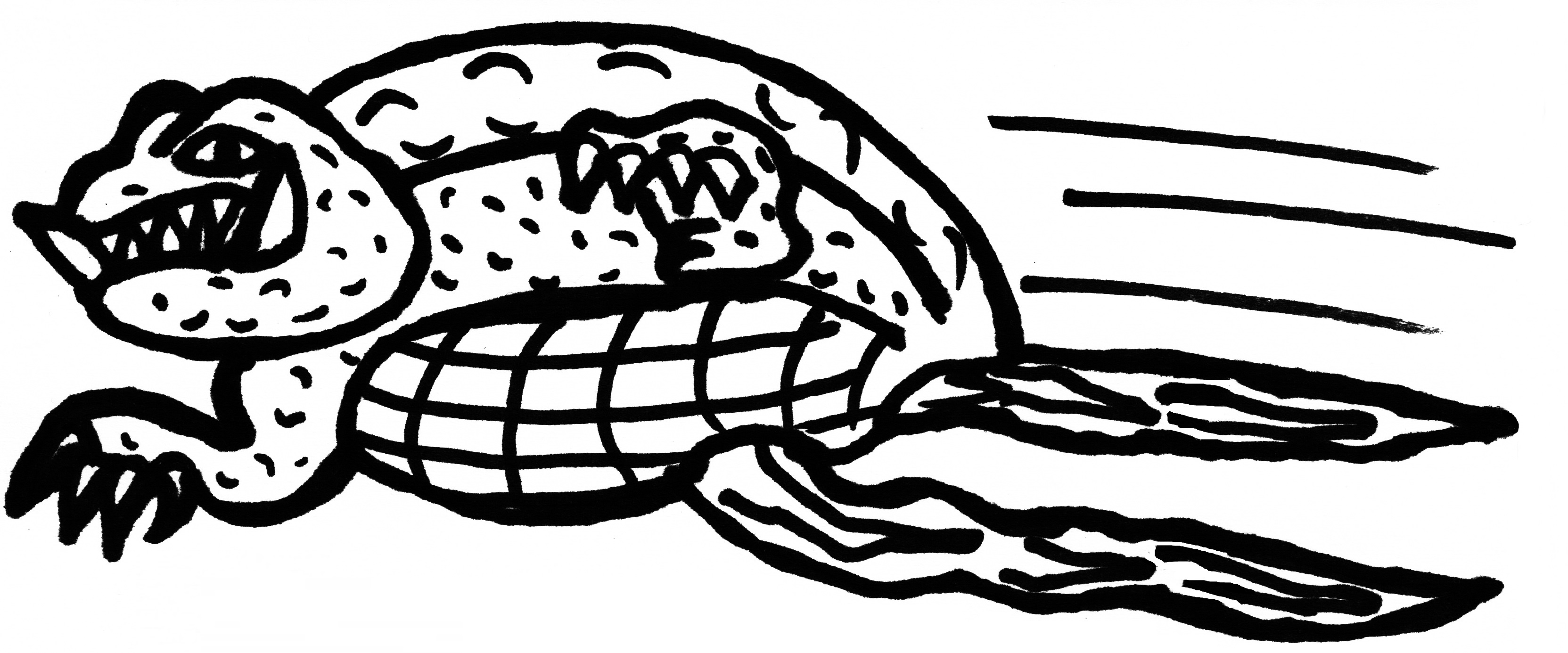
All you really need to earn respectability in the entertainment industry is to stick around long enough for the bad reviews to fade away and your presence is undeniable. It worked for Keanu Reeves, it worked for Adam Sandler, and it also worked for the fire-breathing turtle monster Gamera. When Gamera first premiered in the 1960s, the giant turtle beast was essentially a goofy knockoff of Godzilla, and he was treated as such. As a result, he quickly pivoted to become a “hero to children everywhere” in a long string of kiddie sequels (before Godzilla also got into that game), so that the original Daikaijū Gamera film was never treated with the same critical or historical respect as the original Gojira. We all love Earth’s hard-shelled protector anyway, though, so it’s good to know that Gamera did eventually get his deserved victory lap in the 1990s, when he was given a slick, big-budget makeover to help boost his reputation as one of the kaiju greats. I haven’t yet seen all of Gamera’s kid-friendly sequels from the 1960s & 70s, but I can’t imagine any could compare with his action-blockbuster spectacles from the 1990s. Gamera’s Heisei-era trilogy is a glorious run of high-style, high-energy kaiju pictures that for once genuinely compete with the best of the Godzilla series, instead of registering as a court jester pretender to the King of Monsters’ throne.
The debut of that 90s makeover, 1995’s Gamera: Guardian of the Universe, is both the best and the most faithful of the trilogy. Gamera is re-introduced to the world as a living relic of Atlantis, not a newly arrived extraterrestrial protector. He battles the Giant Claw-like bird creatures the Gyaos from his 1960s days, who are theorized to have been activated by Climate Change, and his ability to fight them off is powered by a child’s love. Just in case audiences weren’t sure that this straightforward Gamera revival was inspired by the success of Jurassic Park, Guardian of the Universe almost immediately includes an archeological dig and a scene where the scientist studying the Gyaos shoves an entire arm into their droppings like Laura Dern going shoulder deep in triceratops poop. It’s the Jurassic Park style mixed-media approach to the visual effects that really makes this one stand out, since the plot and the monster-of-the-week enemies are such classic Gamera fare. There’s something gorgeous about the film’s 90s green screen magic, surveillance video inserts, and rudimentary CGI mixing with the rubber monster suit tactility of classic kaiju pictures that inspires awe in this reputation-rehabilitator. We are all Sam Neill gazing upwards, slack-jawed at our giant reptile friend and, then, begging the Japanese military to stop shooting at him so he can save the day. Every time Gamera bleeds green ooze in his fight to save us, we too ooze a tear in solidarity.
Things turn more horrific in the 1996 sequel Gamera 2: Attack of Legion, shifting from Jurassic Park to Mimic in Hollywood comparison terms. Instead of fighting off the Gyaos sky-beasts, Gamera has to face underground bug creatures collectively called Legion. As a threat, Legion can be genuinely unnerving in their Phase IV-style insectoid organization skills, at one point carpeting Gamera’s entire body in a collective swarm. In individual design, they’re a touch creepier than the Arachnids from Starship Troopers, adding a gross little cyclops eyeball to the center of each bug’s frame. All we can do in the face of such horrors is to thank Gamera for sticking around to protect us . . . unless you happen to be one of the poor children orphaned by the large-scale destruction of his skyscraper heroism. Gamera’s enemy in the third installment, 1999’s Revenge of Iris, is the titular parasitic monster that has been orphaned by the turtle’s heroic violence, birthed from a loan surviving egg seemingly borrowed from the set of an Alien sequel. Really, though, Gamera has to contend with the disaffected child psychically linked to that monster, who lost her parents when Gamera crushed their apartment during a Legion attack in the previous picture. It’s a plot that questions whether the widespread collateral damage of Gamera’s heroism is worth having him around to fight off lesser monsters, to the point where he has to fight a personified version of the Trauma he’s caused in past battles. We all still love the big guy, but accountability is important.
Of the two sequels, Revenge of Iris is the only true contender for possibly besting Guardian of the Universe as the best of Gamera’s 90s run. By that point in the series, Gamera’s reputation as something too goofy to take seriously had been fully overcome, so there was only one goal left to achieve: make Gamera scary. It’s an incredible accomplishment, achieved by filming the giant turtle beast from inside the homes he’s supposedly protecting with his righteous, vengeful violence. There’s a somber, funereal tone to Revenge of Iris, as if it were clear to the filmmakers that Gamera’s 90s revival was a special moment in time that had already reached its natural conclusion. Images of dead Gyaos covered in flies and a sea floor carpeted in dead Gameras from Atlantis’s ancient past convey a sad finality to the series echoed in Gamera’s “What have I done?” moment self-reflection when he realizes he has traumatized the very children he sought to protect. Personally, I was much more impressed & delighted by the spectacle of Gamera’s official makeover in Guardian of the Universe, but the tonal & thematic accomplishments in Revenge of Iris are just as remarkable, considering the monster’s humble origins three decades earlier. Attack of Legion is a worthy bridge between those two franchise pillars as well, especially on the strength of its creepy creature designs. Gamera may not have emerged from his 90s run as a hero to all children everywhere, but he carved out an even bigger place for himself in this overgrown child’s heart. I love my giant turtle friend, and I’m happy that he eventually found the respect he’s always deserved.
-Brandon Ledet





 Swampflix