
The 1991 novelty slasher Popcorn has a fairly straightforward premise: What if William Castle was a serial killer? That setup makes for a much meaner, zanier William Castle homage than Joe Dante’s Matinee, one where Castle’s signature theatrical gimmicks get directly involved in increasingly silly kills instead of being deployed as mood-setting kitsch. The Stepfather‘s Jill Schoelen stars as a film school weirdo whose struggling department decides to raise production funds by hosting an all-night horror marathon in a traditional single-screen theater. They figure they can charge extra for tickets by bringing back the original theatrical gimmicks from the 1950s creature features they’re screening, like ziplining a giant mosquito prop over the audience during the atomic-age sci-fi parody Mosquito (an effect they call “Projectovision”, modeled after Castle’s “Emergo!” gimmick) or zapping the audience in their seats during key shocks of The Amazing Electrified Man (“Shockoscope”, modeled after Castle’s “Percepto!” gimmick). Only, a mysterious killer is loose in the theater and is picking off the film school students & staff one by one. The mosquito is rigged to crush an unsuspecting victim; the seat buzzers are cranked to lethally high voltage; the “Aromarama” gas deployed during The Stench is, of course, poisoned. While Schoelen’s softspoken auteur-to-be should be worried about what ridiculous retro-schlock gimmick is going to eventually be wielded against her, she’s instead perversely excited by the deaths’ potential as inspiration for her next screamplay, keeping the mood defiantly light despite all of the violence. Popcorn is a wonderfully silly 90s slasher with a wide range of imaginative kills and a fun all-night-party atmosphere, one that panders so shamelessly to its target audience that it’s an easy instant favorite for any genre-literate horror nerds.
Popcorn is pretty blatant about its William Castle homages, which range from the more obvious go-to references (like hiring a uniformed nurse to issue life insurance policies in the lobby, in case the audience dies of fright) to the deeper cuts (like its “Shock Clock” prop referencing the “Fright Break” countdown in Castle’s Homicidal). That’s what makes it so strange that Castle’s name isn’t mentioned once during the hours of bonus features on the film’s recent Synapse Blu-ray release. The retro horror parodies that fill out the movie theater’s all-night schlock marathon are referred to as broad homages to 1940s & 50s horror classics on the disc’s commentary track and in the accompanying feature-length “Making Of” documentary, without ever specifically mentioning Castle’s legendary gimmickry as an influence on the text. That concept-to-screen disconnect is likely a result of the film’s tortured history of authorship, with its final cut encompassing the work of three different directors working towards three different ends. The story goes that Popcorn‘s first hired director Alan Ormsby was really into shooting the 1950s creature feature parodies, at the expense of shooting the 1990s wraparound slasher that contains them. When he was fired from the project, Ormsby was drastically behind schedule but had delivered a group of highly detailed, reverential homages to vintage horror schlock. Producer Bob Clark (who had collaborated on Dead of Night with Ormsby, a friend he lost to that business decision) was reluctant to put his name on another horror project after becoming a more mainstream commercial director, so he hired one of his trusted actors from Porky‘s, Mark Herrier, to take the reins. Cast & crew have since confirmed that Clark essentially shadowdirected the picture, guiding a lot of Herrier’s day-to-day decisions and shooting substantial amounts of B-unit footage to get the project back on schedule. You can feel Clark’s influence throughout, especially in scenes where he voices threatening phone calls from the anonymous serial killer villain, just as he had in his breakout slasher Black Christmas. You can also feel the film’s divided authorship in how its obvious original intent as a William Castle homage has been lost in the handovers, like a game of telephone.
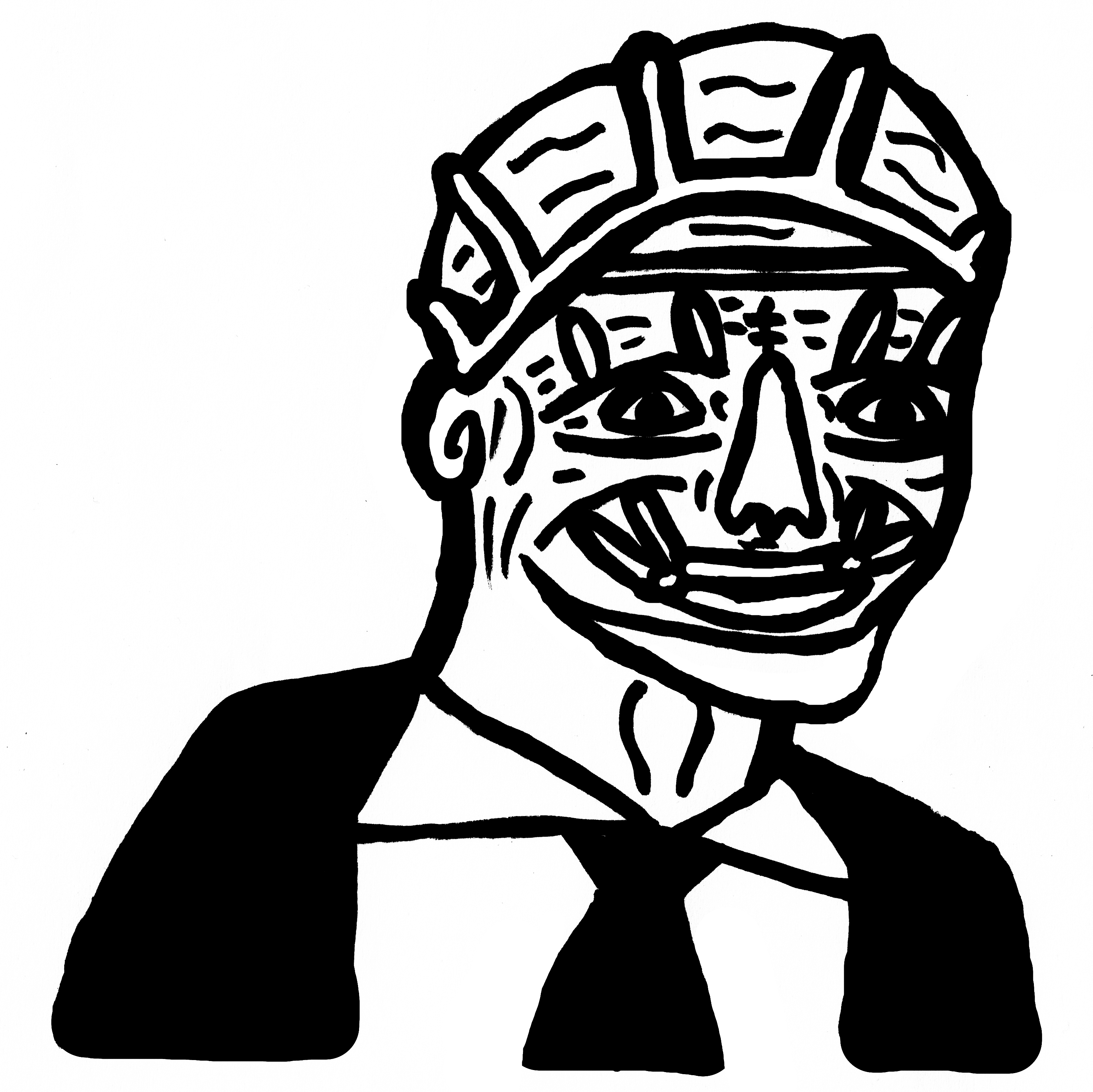
Luckily, the William Castle throwback gimmicks aren’t the only thing Popcorn has going on. The killer who weaponizes those gags is suspected to be a filmmaker of an entirely different era: a hippie freak who made ritualistic art films of the Kenneth Anger & Anton Lavey variety. Our hippie Satanist first appears to Jill Schoelen in a sweaty, Ken Russell-inspired nightmare sequence, calling out to her through the psychedelic afterlife. The second she wakes up, she starts scribbling details from that nightmare into her journal, insistent that it would make a great film. It turns out what she was dreaming was already a film, a scratchy 16mm short from the 1970s titled Possessor, which its director Lanyard Gates concluded by committing in-the-flesh murders during its climax at its premiere. Gates was apparently radicalized by audiences’ tepid reaction to his art films, deciding to get violent revenge on crowds who would rather watch goofy genre fluff instead of real, meaningful cinema. That hostile artist-audience dynamic continues from beyond the grave, when the film school’s all-night horror marathon is interrupted by a renegade screening of Possessor, which the captive crowd boos off the screen. The question of whether the long-dead Gates has supernaturally returned to this mortal plane to get his violent revenge on that audience or if his work is being continued by a more plausible, in-the-flesh suspect is answered in such a bizarre, spectacularly convoluted way that I wouldn’t dare spoil it here. What’s more important than who’s doing Gates’s work is what that work represents. Years before Wes Craven was interrogating horror audiences’ disconnection with the meaning behind their go-to genre’s violence & narrative tropes in New Nightmare & Scream, Clark & co. were already calling out the horror-hungry masses for not sincerely engaging with the art behind their entertainment. The art of cinema and the cheap thrills of horror gimmickry are directly opposed here, with open resentment expressed over how the former needs a little of the latter to earn its funding. That’s what makes reading Bob Clark’s authorship into the text its most satisfying angle, even if the truth is more of a three-way compromise.
Popcorn is not only disjointed in its directorial vision and its art-vs-schlock sentiments, but it’s also disjointed in its setting. The story is set in the suburbs of Smalltown, America, but the production was shot entirely in Kingston, Jamaica, making extensive use of an abandoned old-style movie theater located there. Some of the Jamaican touches to the production are subtly underplayed, like how the majority Black cast of extras are made to appear more diverse by wearing Halloween costumes to the horror marathon. Others are less subtle, like how this is the rare slasher that features an all-reggae soundtrack (including a movie-themed reggae parody of “Under the Boardwalk”). The illusion really breaks down when the power goes out during the marathon and a local reggae band is invited on stage to entertain the crowd by flashlight, turning the theatrical audience into a dancehall dance party. Like the rest of Popcorn‘s behind-the-scenes production anomalies, the chaotic relationship between its setting and its shooting location is just part of the fun. This is a pizza-and-beer VHS rental to be enjoyed with your nerdiest horror-loving friends, so you can all be poked fun at by a movie that doesn’t take you or your preferred genre seriously. As lovingly recreated as the vintage William Castle segments feel in Ormsby’s movies-within-the-movie vignettes, there’s something genuinely heartfelt in Clark’s overall hostility to the fun-loving, novelty-seeking horror audience who wouldn’t turn up or fund more serious art. If nothing else, Clark’s reluctance to put his name on the project betrays some kind of lingering, Gates-style resentment for the artistic limitations of the genre. He doesn’t let that professional bitterness get in the way of throwing a good party, though, just like he doesn’t sweat the logical details of how that party should be soundtracked.
-Brandon Ledet


