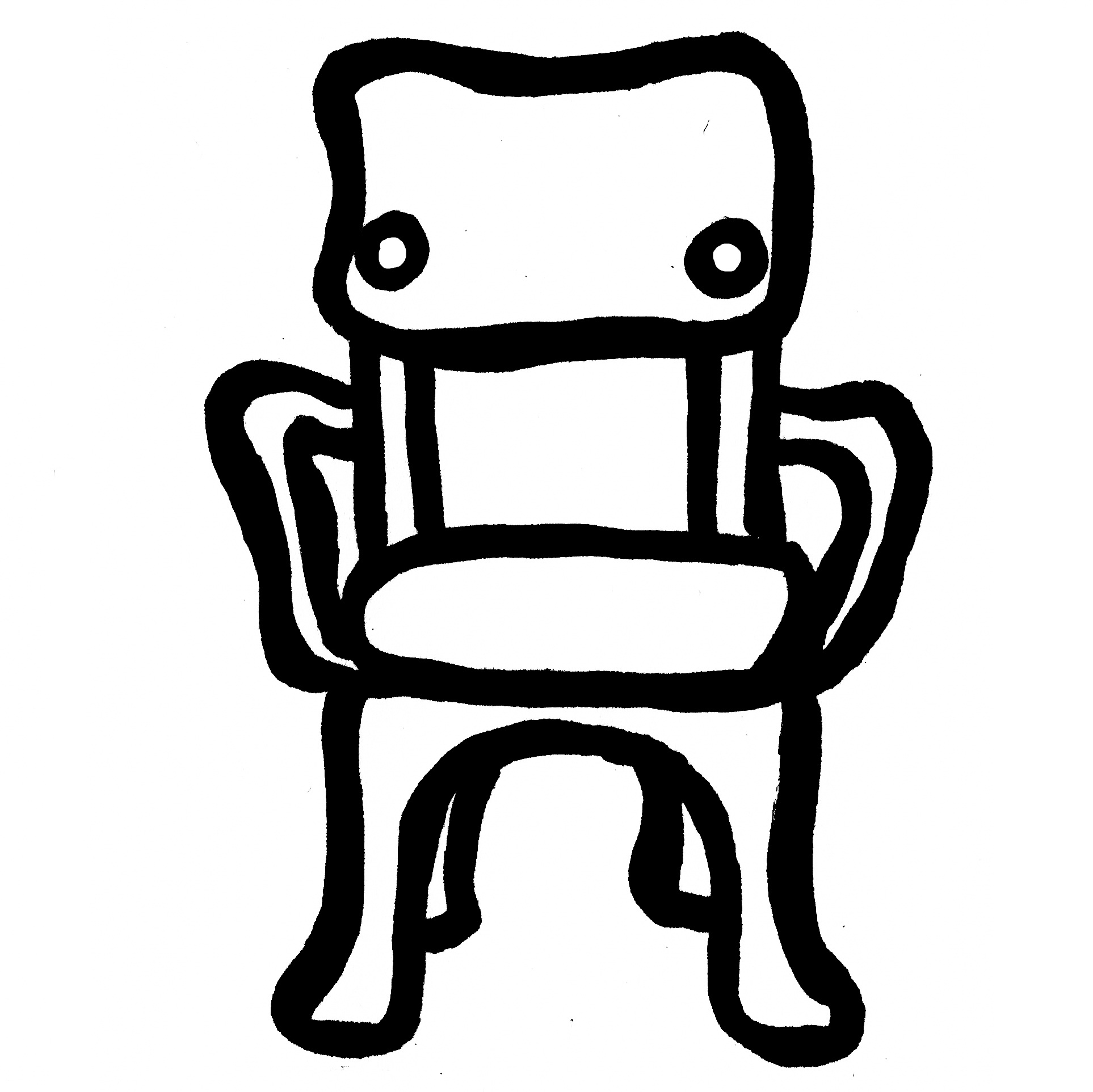

How do you feel about performance art? Interpretive dance? Experimental theatre? Poetry? If you walked into an art gallery and were confronted with a live performer pretending to inhabit the persona of a piece of furniture or an animal or an abstract concept, would you be repulsed or intrigued? Amanda Kramer does not make movies for audiences who recoil from earnest theatricality; she makes high-artifice headscratchers for the intrigued. Her latest stars Juliette Lewis as a tragically bored woman who inexplicably trades identities with a designer chair, leaving her human body behind as a lifeless piece of furniture. A large portion of By Design‘s audience will be immediately repulsed by its self-aware, mannered tone, which engages with big-picture abstract concepts through absurdist artifice and practiced affectation. Miranda July & Peter Strickland haters, stay away. Everyone else who can tune into its wavelength will find a wryly funny meditation on how we all socially function as objects, assessed & valued more as physical presences than as human beings.
Camille (Juliette Lewis) trudges through punishingly boring, repetitive days shopping & brunching with her gal pals in a life “devoid of ideas” . . . until she finally discovers something that arouses true desire in her: the perfect designer chair. Only, by the time she gathers the money needed to make the “perfect purchase,” the chair has already been sold and gifted to a lonely man (Mamoudou Athie). The heartbreak of not being able to own this “object of desire” shatters Camille’s sense of self, so instead of parting ways with the chair she makes a desperate, magical wish to become it, to be the object that is desired. Her essence leaves her body behind for the new, curvaceous body of the chair, and her old body collapses onto the floor, catatonic. From there, she is split into two separate selves: Camille The Chair, who comfortably basks in her newfound sense of purpose & desirability, and Camille The Human, who continues to have an active social life even though she has effectively become an inanimate object. Her friends and family continue to interact with her as if she were alert & responsive while she remains motionless, painting all person-to-person social interaction as a kind of one-sided narcissism where the other participant is more of a sounding board then a fellow human being.
Lewis is one of several actresses in the cast whose careers peaked in the 1990s. Her small friend group is rounded out by Robin Tunney (Empire Records, The Craft) & Samantha Mathis (Little Women, Super Mario Bros.), and the trio’s petty conflicts are narrated by the honey-voiced Melanie Griffith, who lands most of the best laugh lines about how all women are already treated (and, eventually, discarded) like furniture — not just Camille. There’s such a stilted, dazed affect to each performance that any one of these women could’ve been substituted with Jennifer Coolidge without significantly changing the meaning or tone of the overall picture, but through them Kramer still manages to work out some sincerely heady ideas about gendered objectification and how women’s friendships are often corrupted by competition & envy. Maybe it’s all one big, elaborate “Women be shoppin'” joke, but it’s one that takes the existential crisis of its literal chairwoman seriously. Camille has been societally reduced to a physical, purchased product, and the abstract meaning of that is just as horrific as the physical mechanics of it are amusingly absurd.
Aesthetically, Kramer leaves behind the disco & leather-kink nightclub fantasia of Give Me Pity! & Please Baby Please for a more clinical, brighter-lit art gallery feel. The frame is sparsely decorated with individual, identifiable objects (both Camilles included) as if to leave space for blocks of ad copy in a designer furniture catalog. That stylistic choice is announced as early as the opening credits, which are designed to resemble a fussy luxury brand catalog, setting the mood for the film’s high-end, inhuman shopping trips. It’s a visual sparseness that echoes Camille’s feared life “devoid of ideas” without distracting from the icy, abstracted zingers in the script, like Griffith’s intonation of “Wherever she goes, there she is — a lifetime horror” or a character answering the question “Who doesn’t like women?” with “Most men, most women.” If you’re at all allergic to camp, whimsy, or art-gallery pretentiousness, you already knew this movie is not for you as soon as you read the logline “A woman swaps bodies with a char, and everyone likes her better as a chair,” no review needed. It’s an odd, thorny little delight for everyone else, as all of Kramer’s films to date have been.
-Brandon Ledet
 Swampflix