Welcome to Episode #204 of The Swampflix Podcast. For this episode, Brandon, James, Britnee, and Hanna continue our discussion of the Top Films of 2023 with some honorable mentions, starting with Christian Petzold’s creative-block drama Afire.
00:00 Welcome
07:00 The Curse (2023 – 2024) 12:10 Bogus (1996) 14:14 Big Night (1996) 18:00 Heaven Knows What (2014) 21:00 Lone Star (1996) 27:00 Teorema (1968) 32:13 Down By Law (1986)
36:27 Afire (2023) 54:00 Showing Up (2023) 1:13:14 No Hard Feelings (2023) 1:31:30 Shin Kamen Rider (2023)
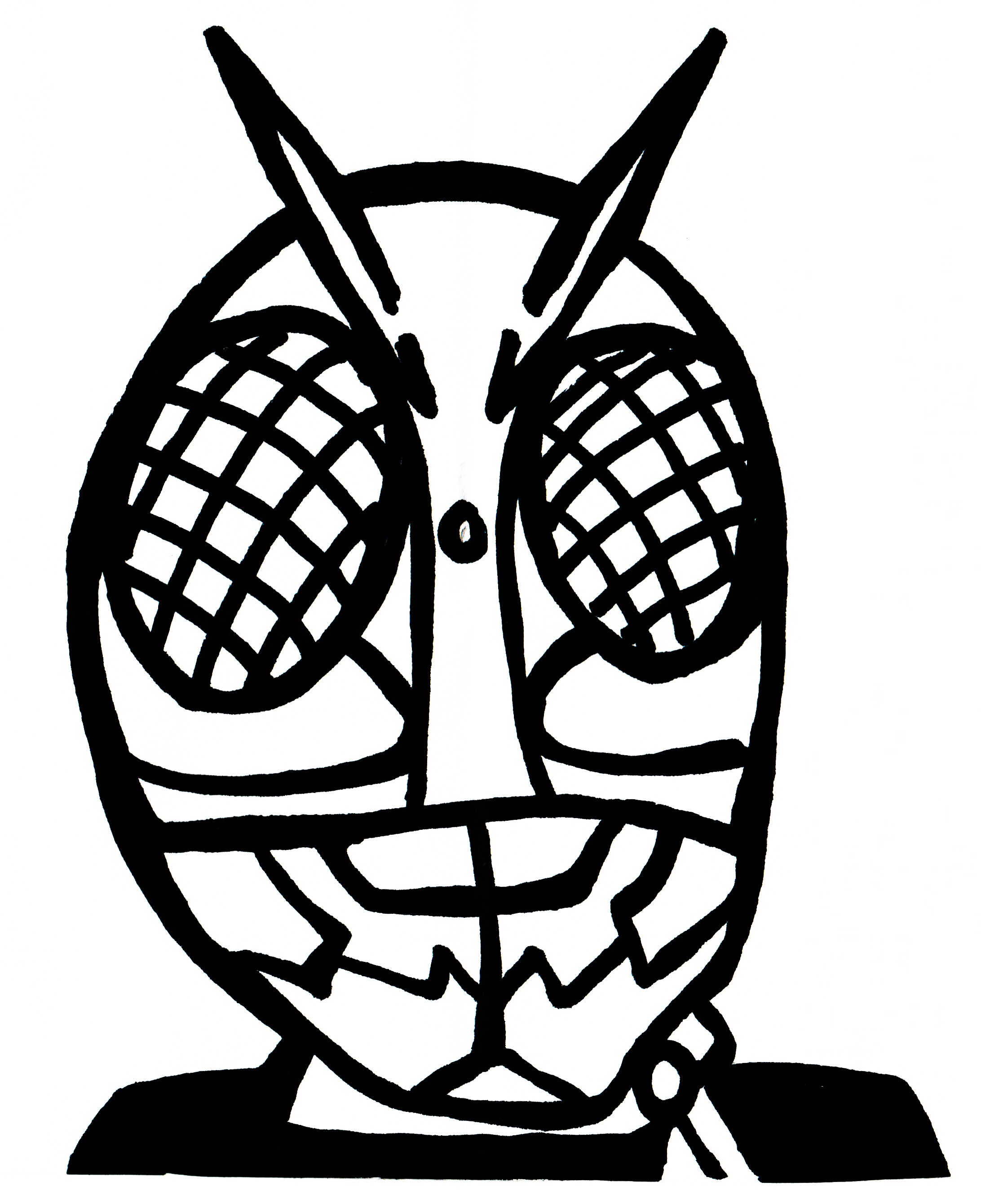
As omnipresent as superhero media feels in pop culture right now, I honestly don’t think it’s much more prevalent than it was when I was a child in the 80s & 90s. It may be more aggressively marketed to adults now, but it’s always been around. The major difference between post-MCU, post-Dark Knight comic book adaptations and the Saturday morning superhero schlock I grew up with is that adults are now expected to take them seriously as meaningful art, each with their own decades of backstory worthy of literary study. As a child I was aware that characters like Batman, Superman, Spider-Man, and the X-Men had long-running, epic scale stories that stretched beyond the thirty-minute episodes of their respective animated series. I would tune into those episodes sporadically, though, and I didn’t really need to know their larger stories to enjoy the simple pleasures of their violent Good Guys vs. Bad Guys morality tales. In contrast, now you have to watch Batman learn ninja skills for an entire origin saga before he can start Batmanning in earnest. You have to watch 30 feature films, several streaming series, and a non-denominational holiday special to fully appreciate a talking raccoon whooping ass in space. Context & lore used to matter way less in our long-running superhero epics, or at least they used to be secondary to novelty & iconography. That’s why it was so thrilling to return to that vintage style of Saturday morning superhero storytelling in Hideaki Anno’s Shin Kamen Rider, which hurls you directly into the continued adventures of its titular cyborg superhero without any expectation that you’ll have done your decades of televised homework before arriving at the theater. Its approach to lore is confusing the same way the subtextual meanings of an abstract art film can be; you’re not expected to know the answer, and it’s freeing to admit you’re lost and just enjoy the ride.
Yes, Shin Kamen Rider is technically connected to a network of other Anno-revived tokusatsu franchises—Shin Godzilla, Shin Ultraman, and the latest Neon Genesis Evangelion reboot—all bundled under the banner of the “Shin Japan Heroes Universe.” Unlike with the MCU, however, each title in the SJHU is designed to work as a standalone project, only crossing over in action figure toy commercials instead of Cultural Event double features like Infinity War & Endgame. Shin Kamen Rider‘s connection to Anno’s other two “Shin” tokusatsu titles is more one of method than one of narrative. It carries over all of the retro kitsch of Shin Ultraman and the volatile brutality of Shin Godzilla, now streamlined into one unfathomably efficient superhero saga. All you really need to know is that our titular hero is a grasshopper-hybrid cyborg man who escapes the evil laboratory that augmented his body and vows to destroy it before they augment the rest of humanity. Anno doesn’t bother with Kamen Rider’s origin story, nor even his escape from the lab. He invites the audience to join in three or four episodes into a Kamen Rider TV series, then zips through the next half-century’s weekly storylines so quickly there’s no time to care whether you have any idea what’s going on. You just do your best to tag along for the high-speed motorcycle rides & insectoid hyperviolence or you miss a season’s worth of plot reveals in a single blink. And if you blink, so what? There’s still plenty for-its-own-sake pleasure in watching the heroic grasshopper cyborg man beat up the evil cyborg spider man, the evil cyborg bat man, the evil cyborg mantis man, and so on, regardless of why he’s doing it. I didn’t grow up with the Kamen Rider TV series as a kid, but I did have a very similar experience watching the Americanized tokusatsu series Mighty Morphin’ Power Rangers, where I would enjoy whatever random, out-of-order episodes I happened to catch on a schedule I was too young to control, continuity be damned.
The paradox here is that while Anno is not taking the longform lore of superhero storytelling all that seriously, his SJHU movies are much more emotionally earnest than the jokey, sarcastic heroes of The MCU. While all modern Marvel heroes have borrowed a touch of self-satirical Deadpool snark, Anno takes the emotional stakes of his outlandish superhero premises 100% seriously. Shin Godzilla is a scathing political satire about the inefficiency of bureaucratic government in the face of genuine public crisis. Shin Ultraman is a loving tribute to humanity’s go-getter resiliency despite that governmental failure to unite & protect. Shin Kamen Rider is more of a brooding, Upgrade-style tale of a hero horrified by the violence he’s capable of, isolated & alienated by the biological weaponry of his augmented body. Despite its jabs of soulful remorse between fight scenes, though, it still indulges in the retro kitsch of reviving a 1970s children’s TV show for its 50th anniversary – mimicking the cheap-o action cinema style of its source material for modern audiences’ semi-ironic amusement. Anno frames every establishing shot and character movement with the attention to visual detail he brought to anime, so that a leather glove casually falling to the floor is afforded the same heft of a building crumbling or a world ending. He carries over the extreme wide-angle camera work of Shin Ultraman but frees it from that film’s drab office spaces, so it feels less like Soderbergh doing anime and more like the first-person-POV of a bug. There’s an inherent visual absurdity to following a cyborg grasshopper man on a motorcycle from one insectoid enemy to another that Anno never shies away from, but he also takes that heroic bug man’s self-conflicted emotions seriously as he stares at the blood dripping from his leather-gloved hands. It’s a tricky tonal balance to achieve, no matter how easy Anno makes it look.
You do not have to be specifically nostalgic for the original Kamen Rider TV series to enjoy the Shin Kamen Rider film. It does help to be generally nostalgic for the episodic superhero media of yesteryear, though, assuming you’re old enough to remember a time when you were only expected to vaguely know what Batman’s deal was to enjoy a Batman film. Before the streaming era, it took a lot of effort, time, and money to be a nerd-culture completist, and it was okay to dip your toe into this kind of thing mid-adventure – encouraged, even. All that really mattered was whether you were enticed to buy the action figures.


 Swampflix