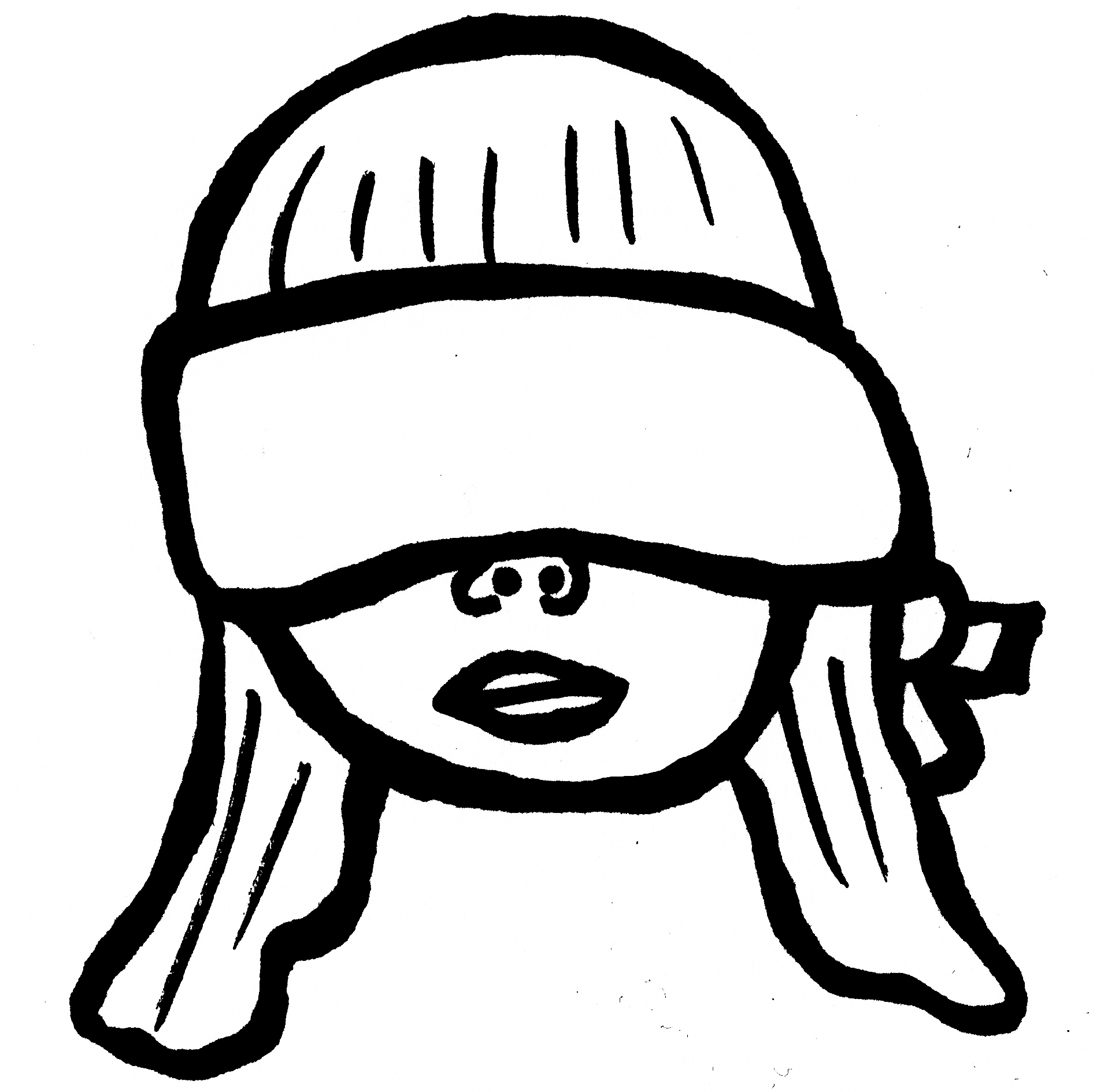

The Watcher in the Woods (1980)

A longtime Swampflix favorite, the 1983 Jack Clayton-directed Ray Bradbury adaptation Something Wicked This Way Comes has been unavailable for home viewing since at least as far back as 2017, when we first covered it for Movie of the Month. Thankfully, that is no longer the case. As of this October, it’s finally been added to Disney+ for anyone interested. Back when we first discussed Something Wicked, Brandon talked about that film in conversation with another Disney-funded Kiddie Horror picture, The Watcher in the Woods, which still remains unavailable online. Since Something Wicked wasn’t available to borrow from my local library or from my local video rental place and could only be found on Disney’s proprietary streaming service, I was curious how hard it would be to find The Watcher in the Woods, and lo and behold, it was easier for me to lay hands on it in the physical world than it was online. Deciding that it would make a good “Bette Davis handles a spooky jewelry box” double feature with Hush… Hush, Sweet Charlotte, it was the perfect time to check it out. 

Teenage Jan (Lynn-Holly Johnson) and elementary-aged Ellie (Kyle Richards) are American sisters whose composer father (David McCallum) has been tasked with putting on an opera in England. This leads to them renting a large, old home from the reclusive Mrs. Aylwood (Davis), whose daughter disappeared roughly three decades before. Mrs. Aylwood rarely rents out the home, but Jan resembles her long-missing daughter Karen, and so she opens the house up to the Curtis family. Even before the ink on the lease is dry, strange things begin to happen; Jan sees images of a blindfolded girl in reflections and Ellie learns things that she shouldn’t know and, when asked where she heard these facts, attributes the knowledge to her new puppy, Nerak (Karen backwards, obviously). Jan strikes up a budding relationship with handsome neighbor Mike Fleming (Benedict Taylor), from whom they get the puppy, and Ellie’s writing of “NERAK” in the dust on a barn window leads Mike’s mother to confess that she was there the night that Karen disappeared, along with two other teens, Tom Colley and John Keller. The three of them were doing some classic “secret society at midnight in the old chapel” shenanigans when lightning struck the building and set it ablaze, causing the great bell to fall where Karen had been standing. Only Tom Colley looked back and saw that she wasn’t there when the bell fell, and no remains for Karen were ever found. Can Jan convince several adults that some entity, the titular unknown watcher in the woods, is trying to help Karen get home? 

This movie scared the shit out of me when I was a kid. Although most old television broadcast schedules are long gone now, this isn’t so for the Disney Channel, which allowed me to pin down the actual date that I saw this film for the first time: October 27, 1995, when I was eight years old. This review may very well go up on the thirtieth anniversary of that date, and in all those decades, I’ve never forgotten it, with some of its images haunting me to this day. I didn’t remember much about the ending, given that it’s a bit overcomplicated (the fact that Disney rushed release to coincide with the 50th anniversary of Bette Davis’s first film role only for the film to be panned, resulting in quickly pulling the film and reshooting the ending, tells you all that you need to know), but I’ve never stopped thinking about poor Karen in that mirror. There’s something truly, deeply haunting about this film, and I’m surprised that its contemporary reception was so poor (and I’m talking about the release of the currently available “complete” version). Maybe it was simply that people really weren’t ready for a family brand like Disney to release a film that was this scary; this was, after all, several years before the creation of the PG-13 rating, and it premiered at the beginning of the decade when it would become more commonplace for children’s media to be intentionally frightening, at least in small amounts. The world that The Watcher in the Woods premiered in was one that was still a few years out from E.T. the Extraterrestrial, The NeverEnding Story, Return to Oz, and even Something Wicked This Way Comes, so maybe it was simply a little too ahead of its time. Hell, it even presages The Evil Dead a little, as this contains what may be the earliest use of the Sam Raimi-style “tracking camera.” Shots from the point of view of the villain (although in this case there’s no real “villain” to speak of and the titular watcher is ultimately a benevolent presence, even if some of its actions create dangerous situations) are nothing new, but the low-to-the-ground “Deadite view” hadn’t really taken off yet, and this film has that several times. 

In reading about the film and older reviews of it, I was struck by the many mentions of the unimaginative shooting, and I find that surprising. The film effectively captures a melancholy mood through many images of the woods surrounding the Curtises’ temporary home, and even when the kids are excited to discover a pond, it’s not exactly a cheerful sight, all fog and murky water. The house is effectively spooky, and the other environs that we see, like the ruins of the chapel and the inside of Tom Colley’s shack, are also rendered very effectively on screen. It may simply be that in an era where most media is shot so flatly and with so little attention to cinematic craftsmanship that I’ve become accustomed to gobbling up slop, so that when something that would have been considered the basic minimum needed to create atmosphere seems revelatory to me. Regardless, this is a nice little intro-to-horror for any kid who might be interested, even if the wrap-up and conclusion won’t stick in their minds. If you’re looking for something in the same vein that’s a little more adult, try satiating your Bette Davis sweet tooth with Burnt Offerings.

-Mark “Boomer” Redmond

When Disney Got Cold Feet Over Getting Spooky: The Watcher in the Woods (1980) & Something Wicked This Way Comes (1983)

July’s Movie of the Month is a jarring entry in the Walt Disney canon, something much spookier, much more adult, and much less financially successful than what the company usually produces. 1983’s Something Wicked This Way Comes is a Ray Bradbury-penned horror film packed with enough ghostly carnival attractions, Pam Grier witchcraft, and children-in-danger stakes to distract you from the fact that it’s a Disney movie to begin with. Still, it’s easy to get the sense while watching Something Wicked that Disney wasn’t fully committed to the adult horror waters it was testing at the time. Casting debates, re-shoots, and studio notes softened director Jack Clayton’s nightmarish vision at every turn. Although the film still stands out from Disney’s usual saccharine tone, it could have gone much, much further. This kind of post-production backpedaling was a constant theme during Disney’s brief adult horror period too. Much like with Something Wicked, the studio’s tinkering revisions softened & distorted the original vision of its first outright horror picture, 1980’s The Watcher in the Woods. Both films survived their troubled production histories as cult classic favorites, not financial successes, but both also could have been much more memorably strange & terrifying than Disney ultimately allowed them to be.

Before The Watcher in the Woods, Disney toyed with an outright horror tone in films like Black Hole or the Witch Mountain series, but it kept those urges confined to the bounds of a science fiction aesthetic, focusing on topics like space travel & telekinesis. The advertising for The Watcher in the Woods promised an entirely new, fully committed shift in trajectory. The trailers boasted, “Walt Disney ushers in a new decade of motion picture entertainment with the following invitation to spend 90min on the edge of your seat.” The problem is that the company wasn’t sure it wanted to accept its own invitation to do so. Director John Hough was hired with the intention of producing Disney’s The Exorcist, but the constant barrage of studio notes that tempered its production consistently diminished the wind in its sails. This behind-the-camera tinkering came to a head when the studio insisted that Hough rush its ending to completion so it could screen coinciding with a commemoration of star Bette Davis’s 50 years in the acting profession. The original ending, which includes a monstrous alien puppet that does not appear in the theatrical cut, was left incomprehensible due to the time constraint. It then had to be re-shot into a much more easily digestible conclusion after hundreds of stop & start rewrites. If pulled off well, it could have been a mind-blowing, impressively dark ending to an otherwise mildly spooky picture. In its compromised form, it’s more of an all-too-easy release of futilely built tension.

As much as you can feel the studio notes shenanigans muddling its ending & ultimate severity, The Watcher in the Woods is still an impressively spooky Disney picture and an important precursor to what the studio would soon accomplish in Something Wicked This Way Comes. Strange lights flashing in the woods, blindfolded ghosts appearing in cracked mirrors, haunted English mansions & carnival attractions: The Watcher establishes early glimpses of the same children vs. immense Evil horror that makes Something Wicked such a classic. Bette Davis appears in the full evil old biddy capacity she was frequently typecast in following the success of What Ever Happened to Baby Jane?, except with a distinctly tragic vulnerability that had been missing since that role reinvigorated her career. Her instantly spooky presence is admittedly sparse, but it suggests much of the film’s horrific tone to come as the mystery of her daughter’s disappearance unfolds. Occultist rituals, alternate dimensions, and, of course, the eeriness of the woods set the stage for a grand supernatural finale that not only was supposed to settle its overarching mystery, but also give physical form to a literal “watcher” in the woods (who appears to be some kind of evil crawfish in the original ending). It’s a shame Disney didn’t afford Hough the patience to see the original conclusion through in all of its spooky glory, but it’s still kind of incredible that they ever toyed with the idea of making a genuine horror film at all, so I guess I should be content with what’s left to be enjoyed onscreen.

Neither The Watcher in the Woods nor Something Wicked This Way Comes are the scariest live-action Disney films of all time. For my money, I’d assume that honor goes to the deeply traumatizing Return to Oz, which was soon to follow. However, as a pair they do make clear that at one point Disney’s plan to revitalize its brand (which was struggling by the 80s, believe it or not) was to experiment with legitimate horror film aesthetics. You can feel that decision lurking in Something Wicked‘s haunted carnival nightmare and, honestly, I do believe it’s the better film of the two. The Watcher in the Woods is a much more naked, deliberate push in the horror direction, though. Besides Bette Davis’s evil old biddy presence, the film echoes plenty of already established horror tropes: The Exorcist’s seances, The Shining‘s backwards mirror writing, the camera’s POV chases through the woods that recall both Jaws & the era’s more typical slashers. It would have been fascinating to see if Disney might have been more committed to this dark path if the success of The Little Mermaid hadn’t ushered in their animated division’s 90s renaissance. Maybe they would have eventually loosened the reins on their hired guns’ dark visions and allowed their live action horrors to run free. It’s literally too good to be true, though, so all we can really do is marvel at the fact that they ever got as close as they did to the horror film deep end before they inevitably got cold feet.

For more on July’s Movie of the Month, the Ray Bradbury-penned Disney horror Something Wicked This Way Comes, check out our Swampchat discussion of the film.

-Brandon Ledet