
The objectively, morally correct thing to do is to reject all generative AI slop in artistic spaces, which of course means rejecting all movies wholly or partially generated by AI prompts. Generative AI may be attractive for movie studios looking to avoid employing human artists by plagiarizing their pre-existing work, but what the audience gets on the other end is a clinical amalgamation of things we’ve already seen, a systematically averaged-out, artless mediocrity. Of course we should resist that. I would argue, then, that our resistance to AI slop should extend to rejecting corporate studio schlock that just happens to look & feel like generative AI, even if it was technically made by human hands. The new Masters of the Universe adaptation, for example, is spiritually AI: a soulless averaging out of recent decades’ IP action blockbusters into a meaningless mush indistinguishable from what an AI prompt to generate “a live action He-Man movie” would produce. There is no discernible artistic impulse behind its creation beyond using vintage 80s pop culture nostalgia as a vehicle to deliver product placements for companies like Coca-Cola and Amazon. As a result, the only useful service something like Masters of the Universe can provide is to offer a summation of everything that’s currently wrong with big-budget corporate filmmaking in one convenient, insultingly middling package. It’s just as dispiriting as it sounds.
The #1 issue with modern blockbuster filmmaking, as exemplified by Masters of the Universe, is bloat. This is a movie adaptation of a cartoon that was designed to sell toys to children in the 1980s. There is no possible justification for its production costing over $200 million, for its runtime stretching beyond 140 minutes, or for its screenplay saving its source material’s most exciting ideas for a promised sequel (which, thanks to the disastrous first-weekend box office results, is never coming). A lot of that bloat is a result of Masters of the Universe suffering a lethal case of the Surf Draculas, indulging in a full hour of narrative place-setting before He-Man fully becomes He-Man, needlessly having him tread water on Earth as a displaced Prince Adam for the entire first act. If this movie is Mattel’s attempt to create a Barbie for Boys opportunity with one of its other signature toy brands, the company could’ve learned a lot by paying its four(!) credited screenwriters to study Gerwig & Baumbach’s Barbie screenplay, which has the good sense to start with a fully formed Barbie living her daily life in Barbieland. Instead, we meet Prince Adam as a young whiny child, then watch him travel via magical portal to Oklahoma City and waste fifteen years’ worth of the audience’s time growing into an even whinier adult (Nicholas Galitzine), who has to work a desk job and sit in on conflict-resolution meetings while biding his time until he can find his back to the faraway planet of Eternia. No one on Earth nor Eternia could possibly give a shit. The idiotic beauty of the original Masters of the Universe series is that it’s all surface and no backstory, so simple that even a toddler could instantly understand its appeal. It’s a cartoon universe populated by literal action figures come to life, so why delay the joy of seeing those absurd characters in action?
A major issue with the film’s bloated, years-long production is that its multiple screenplay drafts have left it thematically & politically incoherent, dangerously so. While wasting his youth at an Earthbound desk job, Adam’s potential as the muscled-up master of the universe is held at bay by wimpy HR types and visibly queer-nonbinary coworkers. His cubicle’s nameplate includes “he/him” pronouns, which is intended to read as a joke about his destined transformation into the redundantly named He-Man, but also opens the movie up to political interpretation as a right-wing screed about how masculinity is in crisis because of the pervasive wokeness of modern office culture. Adam’s muscles are just aching to burst out of his baby pink button down, but the fascist feminazis who employ him are weighing him down too much to flex. Was there an early draft of Masters of the Universe that borrowed Barbie‘s fish-out-of-water gender commentary by contrasting the fully roided-out He-Man of the cartoons against the post-“toxic masculinity” culture of the modern era? It certainly feels like some scraps from that draft have been scattered throughout this final product’s opening act, which the rest of the movie leaves thematically & politically unresolved. So, it just takes as a given that the audience finds the sinisterly feminizing forces of modern life to be a grave social ill, encouraging us to cheer on He-Man’s journey back home to the Manosphere of the 1980s as a small victory for macho men everywhere.
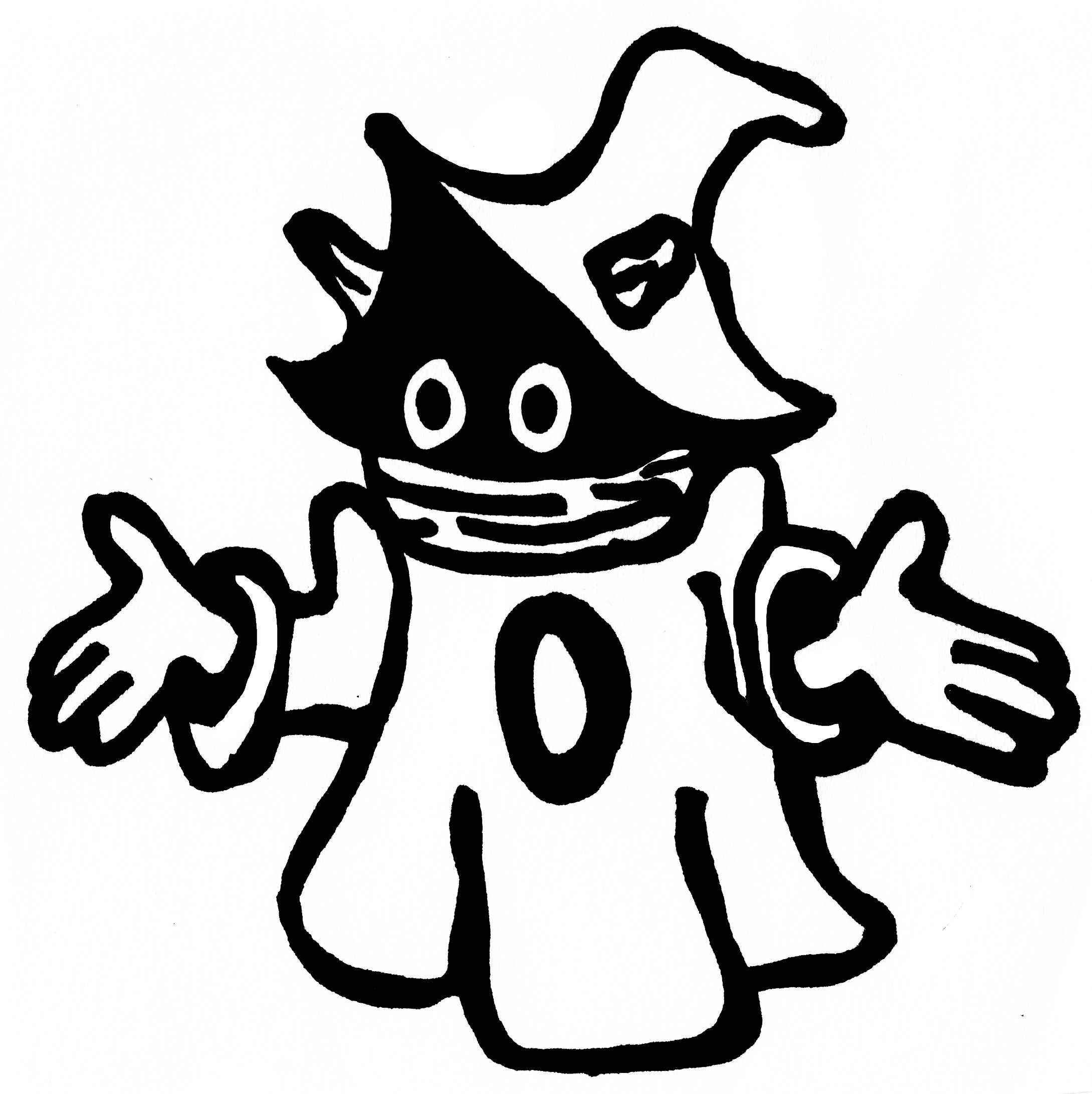
While the final screenplay seemingly lacked attention to revision in theme & intent, it clearly was submitted for several drafts of Joss Whedon-style joke punchups meant to lighten the mood. Masters of the Universe is so jokey, in fact, that it’s outright apologetic about its own existence — fully crossing over from self-deprecation to self-hatred. The basic concept of He-Man as a sword-wielding space prince who fights against the tyranny of skull-faced Bad Guy with an army of action figure cartoon mutants is already ridiculous enough at face value. There’s no need to constantly nudge the audience in the ribs with “What the???” and “That just happened!” jokes pointing out the absurdity of the scenario. Say what you will about the live-action Golan Globus adaptation of Masters of the Universe from the 1980s (another notorious box office flop), but at least that version was sincere in its over-the-top goofballery. This modern reboot shamefully shields itself from any potential accusations of sincerity, pointing out how stupid and dated every character design is while actively hiding their most absurd details from public view. He-Man’s trademark Prince Valiant haircut has been reworked into a feathered blow-out; the Sorceress’s trademark eagle headdress is simplified to a vaguely birdlike cowl. The cowardly green tiger Cringer’s transformation into the courageous, armored Battlecat is largely kept offscreen and treated as a throwaway punchline. The floating smartass wizard Orko is saved for an end credits gag, in hopes that most of the audience would’ve already made a hasty exit without ever seeing him. He-Man’s brothers in arms against Skeletor are also deployed mostly for sex jokes about fisting (Fisto), giving head (Ram Man), and penis size (Power Sword) which, along with the constant violent murders of the back half, undercuts the movie’s potential marketability to the only audience who could possibly find any of this remotely entertaining: 10-year-old boys. In short, everything’s a joke, and nothing’s funny.
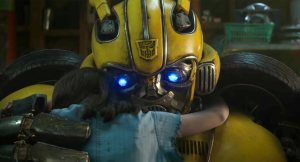
I won’t even get into the ugly intangibility of the film’s green-screen CGI effects, which places actors you know & love (most embarrassingly, Idris Elba & Alison Brie) in a soundstage otherwold where they look entirely disconnected from their environment and from each other. You’ve seen a Marvel movie before; you get the picture. Crucially, that general cultural familiarity with the past couple decades of corporate superhero filmmaking means that you can close your eyes and picture Masters of the Universe without ever watching a frame of it. It’s exactly what a computer would regurgitate onscreen if you prompted it to “imagine” He-Man in the MCU. The only glimmer of hope that this project might have produced something more substantial than that was the hiring of Laika figurehead Travis Knight to direct, as he had previously done the impossible by delivering a watchable, likeable Transformers movie a decade into that toy-marketing movie franchise (2018’s Bumblebee). There is no personal, authorial stamp to be found on this material, though. It is the exact amalgamated median of modern blockbuster aesthetics, with He-Man plugged into its predetermined proper-noun slots like a Mad Libs template. By the time it attempts to borrow some Guardians of the Galaxy charm in its mid-battle Queen needledrops and Brian May guitar work (hoping that the audience might misremember the 80s Masters of the Universe movie as having the Flash Gordon soundtrack), you might as well take a nap in the theater and watch the rest of the movie play out in your dream. You know exactly where it’s going because you’ve already seen everywhere movies of this type have been. It may not technically qualify as generative AI slop, but that’s a distinction without a difference. The only positive thing to come of it that some below-the-line workers got a paycheck instead of being plagiarized by a computer program.
-Brandon Ledet