
Once upon a dream, Disney was in the business of producing world-class visual art. Now they’re just in the business of business — corporate acquisitions and such. The dream is over. So it goes.
That corporate culture shift didn’t happen overnight. At minimum, it happened over a decade. The 1950s saw Disney’s earliest, mightiest strides to diversify its portfolio, expanding into television and amusement parks after spending its first couple decades focused on its core mission: overworking & union-busting animators. Still alive, engaged, and at the helm, Walt Disney himself was conscious of the ways his company’s corporate expansion could dilute the quality of its feature films, so he made a point to reaffirm dominance in the field through technically accomplished pictures like Cinderella, Alice in Wonderland, and Peter Pan. Fittingly, the studio closed out the decade with the most back-to-basics title of the batch, 1959’s fairy tale romance Sleeping Beauty.
This feature-length adaptation of Tchaikovsky’s thinly plotted ballet is, above all else, a formal flex. Narratively speaking, Sleeping Beauty doesn’t accomplish anything that wasn’t already covered by Snow White or Cinderella. It’s yet another princess-in-distress fairy tale of a fair maiden being rescued from a jealous hag’s curse by a macho hero’s kiss. Only, it’s stripped of any defining characteristics that would make its doomed lovers lastingly memorable. Nothing about Princess Aurora is especially iconic, to the point where she’s more often referred to nowadays by the film’s title than by her proper name. All memorable character quirks are instead reserved for the women in charge of her fate: the three goofball fairies who protect her from Evil (Flora, Fauna, and Merryweather) and the villainous Mistress of All Evil (Maleficent, the only character here deemed worthy of her own spinoff franchise).
Without any of the usual pesky plotting or character concerns getting in their way, Disney’s team of technicians could focus entirely on the animation’s visual majesty. Afforded an extreme “Technirama” aspect ratio to paint his elaborate backdrops within, artist Eymind Earle crafts an extravagantly detailed tableau in every frame. Walt Disney tasked his crew with evoking Medieval tapestries in the film’s design, and Earle goes so overboard in his traditionalist craftsmanship that he upstages the characters that populate his backdrops. In turn, his collaborators create an incredible depth of field through cell animation techniques, especially in early sequences where the wicked witch Maleficent and her fairy foes bless & curse the newborn baby Aurora through a series of magic spells. Roses, specters, lightning, and other abstract premonitions swirl in psychedelic montage as Aurora’s fate is decided at the foot of her royal crib. It’s a divine intersection of the fairy tale traditionalism of Snow White and the pure orchestral illustration of Fantasia — two mighty Disney triumphs from decades past, the best animation money can buy.
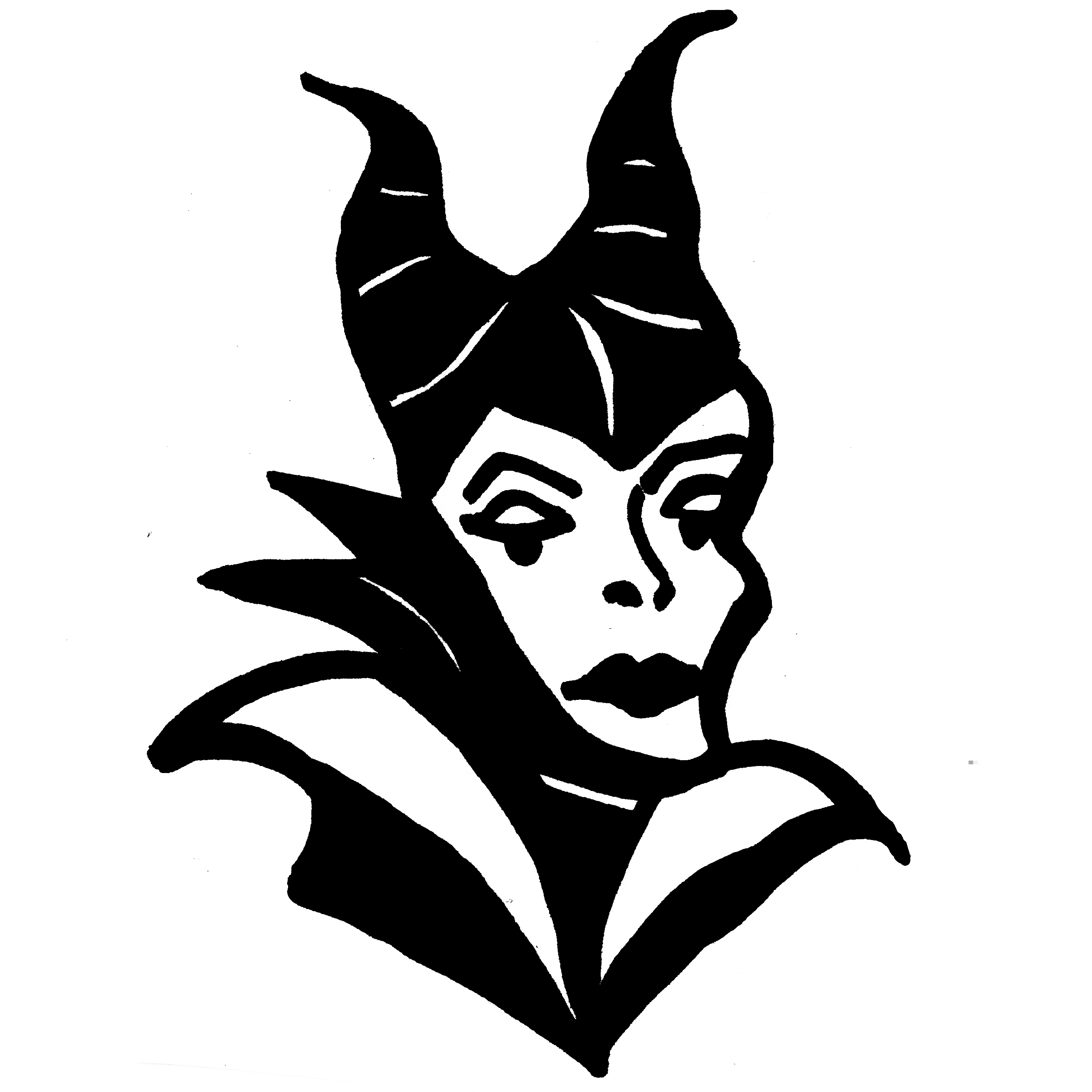
I have no interest in recounting Aurora’s troubled path to womanhood here. She’s cursed to die on her 16th birthday but is saved by a good nap and a classic case of puppy love. The rest is all arranged royal marriages, goofy sidekick antics, and sitcom-level mistaken identity hijinks. Even the mighty Maleficent is more memorable for her visual design than for her words or actions. We love the drag queen pageantry of her devil-horned headpiece. We love the green-on-black color scheme of her magic spells. We love her climactic transformation into a purple, fire-breathing dragon — another grand achievement in classic, hand-drawn animation. When the evil witch is defeated and Aurora is saved by the kiss of her sweetheart prince, the picture ends with the young couple dancing in the clouds. That’s also where the audience’s heads are supposed to be, not sweating the details of the storytelling on the ground.
When was the last time Disney was more focused on the visual majesty of it’s animation than on the marketability of its characters? Every in-house Disney production is now shrewdly designed to stock some toy shelf, amusement park attraction, or T-shirt screen press with fresh, sellable IP. It’s difficult to imagine an instance where they’d set aside character quirks & catchphrases to wow an audience with a return to classic, elegant animation. At this point, the company’s animation wing is a product delivery mechanism, like an assembly line conveyor belt. It used to be their entire raison d’être.
-Brandon Ledet


 Swampflix