The Not-So-New 52: Superman/Batman — Public Enemies (2009)

Welcome to The Not-So-New 52, your digital Swampflix comic book (adaptation) newsstand! Starting in 2007, DC Comics and Warner Premiere entered the direct-to-home-video market with animated features, mostly in the form of adaptations of well-received event comics or notable arcs. This Swampflix feature takes its name from the 2011 DC relaunch event “The New 52,” and since there are (roughly) fifty-two of these animated features as of the start of 2024, Boomer is watching them in order from the beginning with weekly reviews of each. So, get out your longboxes and mylar sleeves and get ready for weekly doses of grousing, praise, befuddlement, recommendations, and occasional onomatopoeia as we get animated for over fifteen years of not-so-new comic cartoons. 

The creators of Justice League Unlimited had a real stroke of genius in casting CCH Pounder as Amanda Waller in that animated series. Since then, she’s reprised that role five more times: thrice for the Arkham video games, once for an adaptation thereof, and once, here, in Superman/Batman: Public Enemies. She’s not the only returning player, either, as Kevin Conroy returns to once again voice Batman, Tim Daly is back as Superman (having voiced him in the self-titled Superman animated series but not the Justice League shows), and the inimitable Clancy Brown once again gives voice to supervillain Lex Luthor. One could almost mistake this as a continuation of that franchise, given the high amount of character crossover, but there are certain elements that make that impossible (most notably the presence of Power Girl, here voiced by Smallville alum and cult leader Allison Mack, when the equivalent in JLU was a Supergirl clone named Galatea), although no one can stop you if that’s what you want to believe. 

This animated film, which is the first of the movies in this project that was a first time watch for me, loosely follows the plot of the 2003 comic arc of the same name. In the comics, that arc began the end of an ongoing DC comics story, namely the ascendancy of Lex Luthor to the presidency (starting in Action Comics #773 in November 2000) and the resultant fallout. This movie wisely skips over his election and inauguration and skips through a montage of unrest that gives way to order as Luthor enacts his agenda. One facet of said plan was to deputize several superpowered people to act as his national response squad, while other heroes with good reason not to trust him refuse to join up with his enforcers, notably the two named in the movie’s title. They’re still out there doing what they do, of course, simply without the spotlight. This becomes more complicated when astronomers observe an inbound city-sized meteor made of Kryptonite on a collision course with Earth. Lex makes a show of extending an olive branch to Superman, only to use their meeting as a trap to force an altercation between Supes and Metallo, here imagined as a Terminator with a Kryptonite heart. Outmatched, Superman is rescued by Bats and they escape into the sewers, but Luthor uses doctored footage of his meeting with the Man of Steel to make it look like Superman attacked the president, with Lex not only framing him but blaming the inbound meteor’s effects as the cause for Superman’s sudden change in morality and putting out a bounty on the hero, driving him and Batman completely underground, where they must try to figure out a solution to prevent the apocalypse raining down on them should Lex fail. 

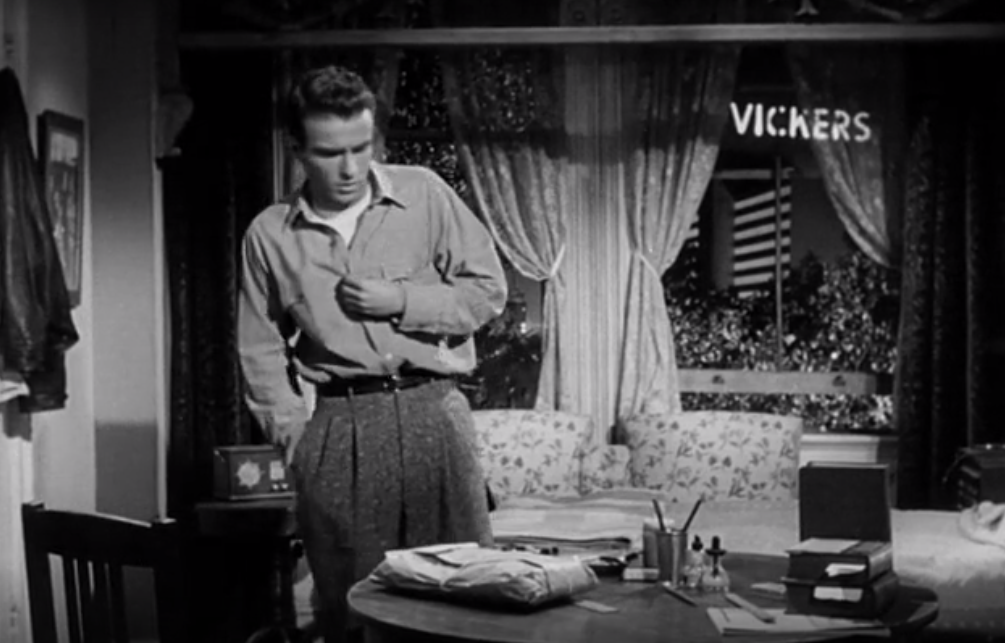
With that stacked cast and a fairly decent plot outline, this one had a lot of potential, but unfortunately, it’s ugly as shit. No offense to anyone who worked on this movie; I know that this is a corporate product that required strict adherence to the approved character design (and in this case I do mean design, singular – the current page image for the TV Tropes page for “Heroic Build” is a still from this movie, in which three men have essentially identical bodies to one another, which are also identical to those of every other man on screen), but it looks awful. One thing you could never say about the other movies before this one was that they never looked or felt cheap, but this one more than any of the others I’ve seen, before or after this one in production, looks like such garbage. There appears to be an insistence on maintaining consistent lighting/shadow on certain characters’ faces in order to make their faces dynamic (this is particularly evident on Luthor; I think they’re trying to create the impression of cheekbones, but I can’t be sure), but those light/shade spots remain the same no matter how the angle or lighting changes within the scene. The giant faces, combined with exaggerated musculature on a body that’s not quite proportionate as a result of said exaggeration, makes this look like it took design inspiration from The Super Hero Squad Show – a series aimed at preschoolers based upon a toy line of the same name, wherein Marvel heroes had deformed bodies that were easy to grab with little dexterity and difficult to choke on (think Fisher-Price Little People). It’s not the aesthetic that you really want your audience to think about when you’re trying to get adults on board with your little direct-to-video for-a-more-mature-audience mandate. In the film’s defense, this is pretty similar to the comic from which it takes inspiration, but this is proof positive that what works on the page won’t necessarily translate to the screen. 

If you can get past that (or just get used to it), there’s a decent enough story here, although the throughline with Power Girl transition from working for Lex’s government squad to working with Superman and Batman is the weakest element. Mack was riding high at the time of release; Smallville was still on the air, and Chloe Sullivan was the show’s breakout character (at least until Justin Hartley’s Green Arrow came along), and the comic had enough time to devote to showing her questioning her allegiances that it didn’t feel rushed. Here, the decision to keep this unsure loyalty as an element of the narrative while sprinting towards getting her on the side of our heroes makes the whole thing feel rushed and cheap, just like the rest of the plot. Amanda Waller is a welcome presence, but she’s given almost nothing to do, other than to try and convince Luthor to come up with a backup plan in case his plan to detonate the Kryptonite meteor with nukes fails (it does). The most interesting thing about his movie ends up being the relationship between its two leads, who genuinely feel like friends—very different people, obviously, but with a casual easiness between them that speaks to years of caring about each other deep down—in a way that’s usually absent from most adaptations, and most comics, if we’re being honest. Their banter, which at times is so familiar that it borders on loving, is rather fun, and will be the only positive thing that I remember about this movie when all of the chaff of its failures is burned away. 

The “Lex loses his mind because he’s juicing himself with Kryptonite steroids” angle is goofy, but once he’s ‘roided out and in that green and purple mech suit, he’s still pretty scary. I will say that this movie has been largely forgotten (as have a lot of these earlier animated flicks from Warner Premiere), but unlike the others we’ve discussed, its tangential connection to real world politics means that this one does still generate some interest and friction in certain corners of the internet. Lex’s ascension to the U.S presidency predated the 2016 election by over a decade and a half, but there are people online who can’t help but bring up the “evil businessman becomes President” connection even when the comparison is vapid and facile. It’s not that there’s not a long history of Luthor/Trump correlations that goes back to even before I was born; Luthor’s reimagination as a businessman instead of his traditional “mad scientist” persona came about in 1986 as a response to real life anxiety about corporate power, with Trump as the model

For most of these movies, edits of the pages relating to them on the aforementioned TV Tropes are all but ancient; for instance, the “Your Mileage May Vary” tab for First Flight was last edited in May of 2022 for grammar reasons. In comparison, the same tab on the article for this film was last edited eleven days ago as of this writing, which is bananas for a fourteen-year-old movie with such little public awareness, but there are still ongoing editing wars about whether or not this movie is “Harsher in Hindsight” because a supervillain did become our president for a while. Comparing Trump to this Luthor is a mistake, though, as this one only descends into madness after introducing a period of relative pax Romana, improving the economy and, in the words of one of the characters, he “put that formidable intellect to work doing such a good job [that] no one will have a choice but to respect him.” Although that statement is immediately followed up with “It’s all about ego now,” which is true about the former president, one would be hard pressed to identify him with the first statement. The comparison here does a disservice to Lex Luthor and paints a real person who struggles to rise to the level of “competence” as some kind of talented mogul. 

Compare this to the presentation of Luthor in the series Young Justice, where the Lex of the first two seasons (which aired in 2010 and 2012) is a formidable enemy because he’s always several steps ahead of the protagonists, to seasons three and four (which aired 2019-2022), where he becomes much less of a threat at the same time that he starts paraphrasing and/or quoting Trump, including soundbites about “fake news” and “good people on both sides” and tweeting “SAD!” I didn’t like that plot development there at all, not because I have any sympathy for the orange bastard, but because it turned a well-developed character into an SNL parody. For what it’s worth, the currently running Harley Quinn series’ choice to play Lex as more of a parody of Elon Musk—a businessman whose “inventions” are just ideas he purchased from others and whose self-proclaimed supergenius is a facade that only fools morons—is a much funnier bit. That having been said, the Lex of Public Enemies does turn into a madman at the end, more interested in allowing the extinction level event to occur so that he can rule over the ashes than preventing the meteor from hitting the Earth, which is something that I can see 45 doing, so there’s that. 

That’s enough discourse for one day. This one has a pretty good narrative, but if you’re following these movies for frenetic action and dynamic animation, you can skip it. You’ll spare yourself some trouble. 

-Mark “Boomer” Redmond

Swampflix’s Top 10 Films of 2023

1. Barbie Greta Gerwig’s hot-pink meta daydream combines the bubbly pop feminism of Legally Blonde with the movie-magic artifice of The Wizard of Oz to craft the modern ideal of wide-appeal Hollywood filmmaking. It’s fantastic, an instant classic. 

2. Enys Men In a year where the buzziest horror titles were slow-cinema abstractions (see: Skinamarink, The Outwaters), Mark Jenkins’s sophomore feature was our clear favorite.  More like an imagistic poem about loneliness and isolation than a “movie,” Enys Men is the psychedelic meltdown of id at the bottom of a deep well of communal grief.  It restructures the seaside ghost story of John Carpenter’s The Fog through the methodical unraveling of Chantal Akerman’s Jeanne Dielman, dredging up something that’s at once eerily familiar & wholly unique.

3. Poor Things Yorgos Lanthimos has always poked at assumed social norms as if they were a corpse he found in the woods.  That naive interrogation has never been as scientifically thorough nor as wickedly fun as it is here, though, to the point where he’s articulated the entire human experience through repurposed dead flesh. We love everything about this perverse Frankenstein story: every outrageous set & costume design, every grotesque CG creature that toddles in the background, every one of Mark Ruffalo’s man-baby tantrums and, of course, every moment of Emma Stone’s central performance as an unhinged goblin child.

4. Asteroid CityA new contender for one of Wes Anderson’s strongest works.  In The French Dispatch, he self-assessed how his fussy live-action New Yorker cartoons function as populist entertainment. Here, that self-assessment peers inward, shifting to their function as emotional Trojan horses. It has more layers of reality upon fiction upon more fiction upon reality than The Matrix, with gorgeous set design and an incredible cast of actors giving career-best performances.

5. The Royal Hotel Kitty Green’s service industry thriller plays like a slightly more grounded version of Alex Garland’s Men, except the men in question swarm their victims like George Romero zombie hordes. A great film about misogyny, social pressure, and alcoholic stupor.

6. Smoking Causes Coughing An anthology horror comedy disguised as a Power Rangers parody, Smoking Causes Coughing is another bizarro knockout from Quentin Dupieux (director of Rubber, Mandibles, and previous Movie of the Year pick Deerskin).  Apparently antsy about having to spend 70min on just one absurdist premise, Dupieux’s now chopping them up into bite-sized, 7-minute morsels, which is great, since every impulse he has is hilariously idiotic.

7. Teenage Mutant Ninja Turtles: Mutant Mayhem Not only the best Ninja Turtles movie in thirty years, but also the best mutation of the Spider-Verse animation aesthetic to date and the most a Trent Reznor score has actually sounded like Trent Reznor’s band. We were particularly delighted that it leans into the “teen” portion of its title by making everything as gross as possible and by making the turtles’ ultimate goal Saving Prom.

8. M3GANFinally, a modern killer doll movie where the doll actually moves, a huge relief after spending so many years staring at the inanimate Annabelle.  M3GAN loves to move; she does TikTok dances, she actively hunts her prey and, most importantly, she never turns down an opportunity to give Michelle Pfeiffer-level side-eye.  It’s been a long time since this first hit theaters, but the increasing, insidious popularity of A.I. among tech bros kept it on our minds all year.  What a doll.

9. Infinity Pool There certainly hasn’t been a shortage of “Eat the Rich” satires recently, but Brandon Cronenberg’s entry in the genre still stands out in its extremity.  Not only does it have Mia Goth’s most deranged performance to date (no small feat), but it’s also more willing than its competition to push its onscreen depravity past the point of good taste for darkly comic, cathartic release – careful to put every substance the human body can discharge on full, loving display. Plenty audiences were turned off by its disregard for subtlety & restraint, but that’s exactly what makes it great.

10. Priscilla Sofia Coppola’s downers & cocktails antidote to Baz Luhrmann’s brain-poison uppers in last year’s Elvis.  Technically, both directors are just playing the hits in their respective Graceland biopics, but only one of them successfully recaptures the magic of their 1990s masterworks.  It’s one of Coppola’s best films about the boredom & isolation of feminine youth, which by default makes it one of her best overall.

Read Alli’s picks here.
Read Boomer’s picks here.
Read Brandon’s picks here.
Read Britnee’s picks here.
See Hanna’s picks here.
Hear James’s picks here.

-The Swampflix Crew

Alli’s Top 10 Films of 2023

1. Poor Things
I love everything about this movie: the imaginative sets and world design, the grotesque lil creatures that pepper background scenes, Emma Stone playing an unhinged goblin child, and every single outfit she wears while doing so. The entire cast is amazing, especially Stone, but shout out to Mark Ruffalo for throwing the best man-baby tantrums. Past those surface-level joys, the ideas are complex and amazing.  What responsibilities do we owe other people, especially in our own efforts to be free? Where does bodily autonomy start and end? Which societal expectations help or hinder us? It’s a lush work of genius. 

2. The Boy and the Heron
Dreams and memories blend with a wide array of art styles in what is probably the messiest and yet most poignant work by Miyazaki. Ultimately the messages and metaphors become muddled and unclear, but in a way that’s true to life. Should future generations hold onto the things older people built or just topple it over and begin again? Does he want us to take his work as meaningless doodles, or does he think the kids these days need to stop obsessing over every little detail and just go exist in real life? Yes, it’s typical curmudgeonly Miyazaki stuff, but to me, the complexity is so fascinating. Also, there are some very cute little weird guys (the entire theater experienced me squealing over them every time they were on screen; seriously, they’re that cute), and Robert Pattinson puts in the voice acting performance of the year.

3. Enys Men
We’ve all had too much time being isolated the past few years. I think at some point we all feel stir crazy and a little like we’re in a time loop. Watching the scientist protagonist spend every day checking the same flower, dropping a stone down the same pit, and ultimately having nothing change—until it does—hits close to home. How long can someone last doing the same things in the same place before they start experiencing weird stuff? What tasks do we have to give ourselves to make our days meaningful? The filmmaking here is just so cool and the vibes are very uncomfortable and haunting.  

4. Barbie
I was a Barbie-obsessed child of the 90s. I had a Barbie Dream House, complete with a Barbie toilet. I had too many dolls to count. I once pushed a boy who was bigger than me over and got in trouble for it, because he threw one of my Barbies on a roof (proto man-eating-feminist baby Alli was not to be trifled with). I was all-in from the start when I heard this movie was being made, while folks around me remained hesitant. I feel extremely vindicated that it’s as wonderful as it is. It’s a hot-pink meta daydream about plastic feminism and how the patriarchy can seep in and take control solely through books about horses or other innocuous male-driven media. I think a lot of people missed the point in thinking that reforming Ken was the focus of the movie rather than the butt of the joke, but the basic point of “Hey, check out these double standards” still got across. I’m very glad this was the most popular movie of last year.

5. Asteroid City
Yet another movie on this list that’s all style and complex metaphor about surviving forced isolation, but this one has a sense of self-deprecating humor about it! It’s a movie about a televised documentary about the making of a play, which is a ridiculous concept only Wes Anderson can get us on board with for an hour and 45 minutes. Impeccably stylish and effortlessly funny, this belongs in the same breath as The Royal Tenenbaums as one of his strongest works. 

6. Skinamarink
If you thought I was done talking about movies that deal with being stuck in one place, you were wrong! No story about two kids getting trapped inside a house has ever delivered more digital fuzz or existential dread. This is a bad-vibes-only 90s horror fever dream that still has me thinking about it all the time even a full year after I saw it. A Freudian family-dysfunction nightmare, dread fills every single frame. There’s something about it that shook my inner little kid who remembers staying up too late, under-supervised and watching weird cartoons while every single noise in the house was the scariest thing in the world. Plus, I watch kids for a living, and I keep seeing that damn phone around the houses where I’m sitting. 

7. M3GAN
A.I. is taking over the minutiae of our lives, and some tech bros without enough cultural knowledge to know better would like it to take over art as well (GROAN). Most A.I. horror fails to capture how casually insidious that desire is, but not M3GAN. It’s a Frankenstein-eqsue horror about nerds not thinking through the consequences of their actions, because they’re just too excited about what they’re doing to care, which is exactly the problem. Also, it’s a very funny horror comedy with a very creepy robot girl. 

8. Smoking Causes Coughing
Quentin Dupieux continues his streak of absurdist horror-adjacent nonsense for weirdos, and we should all love him for it. A parodic “super sentai” force, powered by the harmful chemicals in cigarettes, fights giant reptile monsters until they’re sent on a wilderness retreat to work on their teambuilding. They end up telling spooky stories instead, so the film takes a hard left turn into the horror anthology genre. It’s disgusting, and I love it.

9/10. Teenage Mutant Ninja Turtles: Mutant Mayhem & Nimona (TIE)

Both of these animated films are about self-acceptance and about how sometimes the bad guys just need a friend to push them in the right direction. They’re also both examples of how children’s media outside of Disney is often much fuller of heart and emotion. They’re funny, visually wonderful, and absolutely silly. Nimona made me tear up from feelings. Mutant Mayhem made me tear up from laughing.

-Alli Hobbs

Brandon’s Top 20 Films of 2023

1. Poor Things Yorgos Lanthimos movies have always poked at assumed social norms as if they were a corpse he found in the woods.  That naive interrogation has never been as scientifically thorough nor as perversely fun as it is here, though, to the point where it feels like he’s articulated the entire human experience through repurposed dead flesh. It’s clearly the movie of the year and, so far, the movie of his career.

2. The Royal HotelI’m shocked by how much I loved this service industry thriller, even though I bought in early on director Kitty Green & star Julia Garner stock back when prices were low (Casting JonBenet & Electrick Children, respectively). It plays like a slightly more grounded version of Alex Garland’s Men, except the men in question swarm their victims like George Romero zombie hordes. A great film about misogyny, social pressure, and alcoholic stupor.

3. Enys Men In a year where the buzziest horror titles were slow-cinema abstractions, I’m glad one stabbed me squarely in the brain stem after a couple near-misses (see: Skinamarink, The Outwaters).  A pure psychedelic meltdown of id at the bottom of a deep well of communal grief.  It restructures the seaside ghost story of Carpenter’s The Fog through the methodical unraveling of Akerman’s Jeanne Dielman, dredging up something that’s at once eerily familiar & wholly unique.

4. Priscilla Sofia Coppola’s downers & cocktails antidote to Baz Luhrmann’s brain-poison uppers.  Technically, both directors are just playing the hits in their respective Graceland biopics, but only one of them successfully recaptures the magic of their 1990s masterworks.  It’s one of Coppola’s best films about the boredom & isolation of feminine youth, by which I mean it’s one of her best overall.

5. Barbie Combines the bubbly pop feminism of Legally Blonde with the menacing, high-artifice movie magic of The Wizard of Oz to craft the first truly great Hollywood studio film of the decade. It’s fantastic, an instant classic.

6. Shin Ultraman A 60s-throwback kaiju comedy that looks like it was shot by Soderbergh in full show-off mode.  It more often recalls Big Man Japan than it does Shin Godzilla, but that’s at least a comparison that does it a lot of favors.  Come for the absurdist skyscraper action; stay for the adorable go-getter humanist spirit.

7. Teenage Mutant Ninja Turtles: Mutant Mayhem Not only the best Ninja Turtles movie in thirty years, but also the best mutation of the Spider-Verse animation aesthetic to date and the most a Trent Reznor score has actually sounded like Trent Reznor’s band. I was particularly delighted that it leans into the “teen” portion of its title by making everything as gross as possible and by making the turtles’ ultimate goal Saving Prom.

8. Smoking Causes Coughing An anthology horror comedy disguised as a Power Rangers parody.  Quentin Dupieux is apparently getting antsy about having to spend 70min on just one absurdist premise, so now he’s chopping them up into bite-sized, 7-minute morsels, which is great, since every impulse he has is hilariously idiotic. He’s in his goofball Roy Andersson era. 

9. Asteroid City In The French Dispatch, Wes Anderson self-assessed how his fussy live-action New Yorker cartoons function as populist entertainment. In Asteroid City, the self-assessment peers inward, shifting to their function as emotional Trojan horses. I found the former funnier, the latter more affecting, and I suspect they’re both worthy of repeat viewings to fully sink into their dense detail.

10. Godzilla Minus One It was a great year for nostalgic throwbacks to vintage tokusatsu (see also: Shin Ultraman, Shin Kamen Rider, Smoking Causes Coughing), but this is the only title in that crop to hit the notes of deep communal hurt from the original 1954 Godzilla film that started it all. That sincerity is incredibly rewarding, if not only because it’s the only Godzilla movie I can remember making me cry.

11. Infinity Pool Among its many fellow recent “Eat the Rich” satires, this most reminded me of Triangle of Sadness, mostly for how far it pushes its onscreen depravity for darkly comedic, cathartic release – careful to put every possible substance the human body can discharge on full, loving display.  Plenty audiences are turned off by both works’ disregard for subtlety & restraint, but that’s exactly what makes them great.

12. Rimini In which a has-been pop singer drinks and fucks away the remaining scraps of his life in off-season beachside hotel rooms.  It’s commendable both as a wryly grim character study and as the Euro counterpoint to recent American films only using geriatric sex for gross-out jump scares.  Sure, the racist, alcoholic protagonist is gross, but the sex he’s having is refreshingly matter of fact in its vulgarity.

13. The Taste of Things An aggressively sensual romance about the joy of sharing thoughtfully prepared meals. It’s absurdly cozy & warm, likely the best movie about food since Pig.

14. The Five Devils An intensely fucked up little time-travel family drama, punctuated by volatile jabs of style & emotion. Petite Maman for sickos.

15. Piaffe Ann Oren’s follow-up to her outsider-art cosplay documentary The World is Mine is high-art pony play erotica.  It’s the closest thing we got to a new Peter Stickland movie this year, which automatically earns it a slot on this list.

16. Give Me Pity! Amanda Kramer’s feature length spoof of disco era one-woman TV specials, one that pushes well past the initial layers of irony & artifice to dig at something deeply ugly about all artists’ outsized, fragile egos.  It’s a vicious takedown of fame-obsessed LA Brain from women who seem like they’ve suffered it first-hand.

17. Sick of Myself A hilariously squirmy satire about art-world narcissism in which neither of the competing egos at the center actually make art; one is a designer furniture thief, and the other is an ambitionless barista who medically self-harms for attention.  In a way, their dual addiction to the spotlight makes them a perfect couple.  It would almost be romantic if they weren’t constantly, viciously fighting for flash-in-the-pan media coverage. Love is petty, love is benign.

18. M3GAN What’s most important here is that the killer doll gives the best side-eye since Michelle Pfeiffer in French Exit.  Hell, maybe even the best side-eye since Michelle Pfeiffer in mother!.  No small feat.

19. Shin Kamen Rider All of the retro kitsch of Shin Ultraman and the volatile brutality of Shin Godzilla streamlined into one unfathomably efficient superhero saga.  Zips through a half-century of TV episode storylines so quickly you have no time to care whether you have any idea what’s going on or not. Just do your best to tag along for the high-speed motorcycle rides & insectoid hyperviolence or you’ll miss a season’s worth of plot reveals in a single blink.

20. Suzume I don’t know that Makoto Shinkai will ever match the soaring teen emotions of Your Name., but the visual artistry of his two lesser loved follow-ups still coasts miles above most modern animation.  His work remains impressively gorgeous & earnest in the moment even if it’s no longer surprising or novel in the larger context of his career, since he keeps repeating the same beats every picture. If anything, at this point the defiant tripling down on his schtick is starting to become endearing in a Wes Andersonian way.

-Brandon Ledet

Boomer’s Academy Ballot 2023

I managed to see more new releases this year than I saw in any prior year writing for Swampflix (at least as far as I can tell, having started noting every movie that I see with the date I watched it just a few years ago). The issue is that sometimes I see movies that have some individual elements that are fantastic but aren’t enough to push that movie into the “best” of the year for me. For instance, I didn’t care for Infinity Pool very much—it was excellently made, perfectly sound edited, expertly cast—but still want to highlight that it deserves consideration in some field, even if I can’t consider it one of my favorites for the year. Cobweb was a fun movie that fell apart toward the end, but its lead child actor deserves special accolades for the performance that he turned in. There are also times when some of the most beautiful parts of a movie only become clearer later on, sometime after I wrote my review, and I want to make sure that I highlight a performance that had a bigger impact on me after I had more time to ruminate on the piece.

So, in order to make sure that I give out all the laurels that my limited internet presence allows, here are some of the standouts in every category. It’s based largely on the Academy ballot, but without the categories I’m not qualified (either because I didn’t see enough of them, like documentaries, or because I don’t have access to some relevant material, like best original screenplays, etc.) to judge. I also didn’t include Best Original Song because there’s really only one contender in my mind: ”Dear Alien (Who Art In Heaven)” from Asteroid City. I also fiddled with the Supporting Actor section to split it up between age groups rather than genders, both to ensure that nonbinary actor Quintessa Swindell had a seat at the table for their stellar performance in Master Gardener (another film that didn’t make my Top 20) and to highlight that this was an amazing year for children and young adult performers. Whether as uncannily unchildlike creeps in There’s Something Wrong with the Children, or the victims of terror as in Cobweb and M3GAN, a lot of young actors brought a lot to the table this year. Please enjoy these recommendations, and happy holidays!

  1. Best Visual Effects
    1. M3GAN
    2. Asteroid City
    3. Mission Impossible: Dead Reckoning Part 1
    4. No One Will Save You
  2. Best Actor in a Leading Role
    1. Nicolas Cage – Dream Scenario
    2. John Boyega – They Cloned Tyrone
    3. Joaquin Phoenix – Beau is Afraid
    4. Zach Gilford – There’s Something Wrong with the Children
    5. Ed Norton – Asteroid City
    6. Paul Giamatti – The Holdovers
  3. Best Actress in a Leading Role
    1. Margot Robbie – Barbie
    2. Julia Garner – The Royal Hotel
    3. Kaitlyn Dever – No One Will Save You
    4. Sandra Hüller – Anatomie d’une chute (Anatomy of a Fall)
    5. Da’Vine Joy Randolph – The Holdovers
    6. Teyonah Parris – They Cloned Tyrone
    7. Greta Lee – Past Lives
  4. Best Adult in a Supporting Role
    1. Dominic Sessa – The Holdovers
    2. Quintessa Swindell – Master Gardener
    3. Patti Lupone – Beau is Afraid
    4. Jeffrey Wright – Asteroid City
    5. Tilda Swinton – The Killer
    6. Ursula Yovich – The Royal Hotel
    7. America Ferrera – Barbie
    8. Mia Goth – Infinity Pool
    9. Antoine Reinartz – Anatomie d’une chute (Anatomy of a Fall)
  5. Best Non-Adult/Young Adult Performer in a Lead or Supporting Role
    1. Woody Norman – Cobweb
    2. Brielle Guiza – There’s Something Wrong with the Children
    3. Jake Ryan – Asteroid City
    4. Armen Nahapetian – Beau is Afraid
    5. Violet McGraw – M3GAN
    6. Enzo Ferrada – La vaca que cantó una canción hacia el futuro (The Cow Who Sang a Song into the Future)
    7. Milo Machado Graner – Anatomie d’une chute (Anatomy of a Fall)
    8. Iman Vellani – The Marvels
  6. Best Art Direction
    1. Moon Garden
    2. Enys Men
    3. Asteroid City
    4. Ang Pagbabalik ng Kwago (aka Leonor Will Never Die)
    5. Fumer fait tousser (Smoking Causes Coughing)
    6. Barbie
    7. Master Gardener
  7. Best Cinematography
    1. Enys Men
    2. La vaca que cantó una canción hacia el futuro (The Cow Who Sang a Song into the Future)
    3. Infinity Pool
    4. Past Lives
    5. Moon Garden
    6. A Haunting in Venice
  8. Best Costume Design
    1. The Holdovers
    2. Asteroid City
    3. They Cloned Tyrone
    4. No One Will Save You
    5. Cocaine Bear
  9. Best Director
    1. Celine Song – Past Lives
    2. Francisca Alegria – La vaca que cantó una canción hacia el futuro (The Cow Who Sang a Song into the Future)
    3. Martika Ramirez Escobar – Ang Pagbabalik ng Kwago (aka Leonor Will Never Die)
    4. Brandon Cronenberg – Infinity Pool
    5. Brian Duffield – No One Will Save You
    6. Alexander Payne – The Holdovers
  10. Best Film Editing
    1. Enys Men
    2. The Royal Hotel
    3. Infinity Pool
    4. Scream VI
    5. Anatomie d’une chute (Anatomy of a Fall)
    6. No One Will Save You

-Mark “Boomer” Redmond

Boomer’s Top 20 Films of 2023

20. A potent fable about the cost of notoriety and fame, Dream Scenario is a strong showing from Norwegian writer-director Kristoffer Borgli, who also edited the film. The movie charts the sudden memetic popularity of a sad sack professor at a lower tier university who is always on the verge of self-actualizing but never has the wherewithal to stop procrastinating and apply himself; when he begins appearing in people’s dreams, through no action of his own, he becomes an instant internet star, only to see that fame come crashing down when his dream avatar becomes a more frightening figure. Read my review here.

19. A coming-of-age story that incorporates many of the best parts of children’s fantasy that came before it, from The Chronicles of Narnia to The Wonderful Wizard of Oz to Alice’s Adventures in Wonderland and more, The Boy and the Heron sees these familiar narrative devices through the lens of a childhood haunted by grief and as imagined by the most talented living animation director, Hayao Miyazaki. A movie that can be frustrating to an audience that is unwilling to float along with its dream logic or to those viewers who are uncomfortable with ambiguity, it’s hard to imagine that something this stuffed with the fantastic could be said to leave a lot to the imagination, but it does. Most recommended movie of the year for bird people. Read my review here.

18. Not just for fans of Haruki Murakami’s literature, but perhaps poised to be most appreciated by them, Blind Willow, Sleeping Woman was adapted from disparate pieces from Murakami’s canon to create a (mostly) singular narrative by composer Pierre Földes, who also produced, directed, and scored it. The animation style is not as beautiful to the eye as the previous entry on this list, and can take a moment to adjust to, but it has a DIY magic all of its own. Read my review here.

17. Like The Boy and the Heron, Moon Garden draws a great deal of inspiration from the children’s fantasies of yesteryear, but instead of pulling from literature, it takes its direction from the darker kid’s fantasy films of the 1980s, like Return to Oz, The NeverEnding Story, Paperhouse, Labyrinth, and later works that evoke that same feeling like MirrorMask and Pan’s Labyrinth. A throwback to more creatively articulated dark fantasy through the use of older film techniques and (apparent) rejection of computer effects, this is one that I predict will have a lot of staying power in years to come. Listen to the Lagniappe Podcast Crew talk about it here.

16. Is there a way to describe something that’s almost the platonic ideal of an indie darling? Like, something that could accurately be said to be simply a rebundling of cliches but which is also somehow entirely new? That’s what Christmas sleeper hit The Holdovers is—to be honest, there may not be an entirely original idea anywhere in here, but that doesn’t make it any less affecting, emotional, or funny. Alexander Payne masterfully molds together a film that made me ache for every person on screen, a story I’d seen before but nonetheless brand new. Read my review here.

15. I absolutely adored Greta Gerwig’s adaptation of Little Women and wept openly at Lady Bird, but I must admit that I didn’t exactly have high hopes for this corporate synergy vehicle. Even as the date of Barbie’s arrival drew near and the entire internet burst out into endless grassroots marketing via Barbenheimer memes, I still mostly considered it more of a curiosity that was likely to make a dump truck full of cash than a potentially moving addition to Gerwig’s canon. It didn’t move me as much as her previous movies; America Ferrera is very close to my heart and I absolutely love every speech that she gives in this movie, but Jo’s declaration of independence to Laurie in Little Women wasn’t interrupted by a Chevy commercial like one of Gloria’s monologues here, which cheapens things a bit. But I did laugh more than in the others, and that was a lovely experience. It’s been six months and I still giggle when I think about Barbie’s frustration at being called a fascist — “I don’t control the railways or the flow of commerce!” Read my review here.

14. Another knockout bizarro comedy feature from Quentin Dupieux (Rubber), Fumer fait tousser (Smoking Causes Coughing) is a delightfully bloody flick that features a framing device that reminded me a lot of one of my favorite TV comedies, Danger 5, and this movie is similarly deconstructive. When a team of tobacco-based superheroes in the vein of Power Rangers is sent on a retreat by their leader, their telling of stories to one another stitches together vignettes of horror set against peace: an unbothered young man is reduced to a pulp by an industrial machine, a welder’s mask grants its wearer serenity but turns them into a murderer, etc. Delightfully funny and worth the attention. Read Brandon’s review here.

13. A slow burn thriller, Brandon initially pitched The Royal Hotel to me as a more grounded version of Alex Garland’s Men, and in his review, he also mentions Dead Calm, which is a personal favorite of my mother’s that became a favorite of mine. Both are good points of comparison, especially in regard to this film’s sense of omnipresent danger from a dangerous man (or men) in a completely isolated place, but the movie that I couldn’t stop thinking about while watching this one was Queen of Earth, which was my favorite film of 2015. I’ll echo the sentiments he expressed in his review completely, and add that I loved the slow burn of the relationship between the two women here, and loved that so much was left up to implication. 

12. Some time after I initially reviewed it, Brandon texted me to let me know that he had enjoyed There’s Something Wrong with the Children more than expected, citing that it had “tapped into ‘I don’t really like being around kids’ energy in a relatable way,” which was also one of my favorite things about this anxiety-riddled second feature from director Roxanne Benjamin. There’s a little bit of fumbling at the finish line, but it’s not enough to wash away the bitter, unsettling aftertaste of the first three quarters. Read my review here.

11. I love a movie that pushes the boundaries and isn’t afraid to try something novel. As a film with virtually no dialogue, No One Will Save You is a triumphant example of how to make a story that’s 100% show and 0% tell without ever losing any of the tension of the main threat. Kaitlyn Dever is phenomenal here, and every emotion that crosses her face is palpable, one of the best single performances in anything I saw all year. Read my review here.

10. I was surprised by how much I still liked what will likely be the finale of my favorite horror series—and if it isn’t, the series is dead to me at least absent some major reparations for its cast. There might not be another one after Scream VI, but this was a pretty decent way to go out. I didn’t think that this series could continue without Neve Campbell, and the only way that it does manage to work is through the return of the previously presumed dead Kirby, played by Hayden Panettiere. The twists are less twisty here than they were in the immediately previous installment, and the connection to horror tropes are the most tenuous they’ve been since Scream 3, but the newer cast that was introduced in 5cream have gelled into a more interesting group this time around, with Melissa Barrios as the standout for improved performance since last time. It’s the best it could be without Sidney, and Gale Weathers’ inclusion in the plot from the start makes sure that the film hits the ground running. It’s rare for a horror franchise to hit this milestone without having such severe diminishing returns that it becomes a shell of itself, but this one finishes strong. Read my review here.

9. It’s been so, so long since I saw M3gan, but I made a vow to myself that I would not let the fact that I saw it allllll the way back during the first week of the year prevent it from being considered for its rightful place here on this list. To be honest, despite all the intervening time, I don’t think I’ve managed to go more than a week or two without thinking about it, even after its memetic success was completely obliterated by the Barbenheimer blitz. Discourse about both “iPad kids” and artificial “intelligence” has only gotten bigger since January, with the film having presaged that conversation with all of its discussions about screen exposure time and the fact that interaction with a machine is no substitute for real human contact and genuine love. And all wrapped up in a perfect killer doll movie. What more could you ask for, really? Read my review here.

8. It’s kind of hard to talk about Enys Men. More like a cinematic tone poem about loneliness and isolation than a “movie.” I want to say that it does have the semblance of a narrative, but even that isn’t really true, as while there are events, their relation to one another is an exercise in imagination rather than observation, requiring a patching together that will never fully reconcile into a legible text. There’s a woman, an island, and a mineshaft, and there’s too much silence and not quite enough tea. Listen to the Lagniappe Podcast Crew talk about it here, and check out Brandon’s review here.

7. The truth is, we take Wes Anderson for granted. Asteroid City is an instant contender with The Life Aquatic and The Grand Budapest Hotel as the most triumphant example of his imitable style made ever, ever so vast. It’s all encompassing, with more layers of reality upon fiction upon more fiction upon reality than The Matrix, with an utterly gorgeous set design and a cast of actors who are giving what may be career best performances. Just marvelous. Read my review here.

6. Sandra Hüller is captivating in Anatomie d’une chute (Anatomy of a Fall) as a woman who must stand trial for the murder of her husband, all while we in the audience never learn whether his death was an accident, suicide, or murder. That absence of information is a shadowy void in the center of this film, a known unknown whose invisibility means that, just as in life, all we have to go on are people’s imperfect memories, their self-serving rationalizations, and the presumption of honesty. One of the most mature movies for adults of recent years and the one with the most enduring appeal of 2023. Read my review here.

5. A genre-bending mash-up of blaxploitation crime thrillers, social commentary comedies, and body snatching sci-fi pulp, They Cloned Tyrone was the funniest movie of the year. Incorporating that feeling of mind-numbing, endless monotony that was part of the quarantine experience, the film breaks new ground when it comes to conspiracy thrillers, taking its characters on a wild ride and us along with them. John Boyega is a knockout in this one. Read my review here.

4. I still can’t believe that the premiere screening for Beau is Afraid was followed by an outburst from an attendee stating that he “better not hear any fucking clapping.” This movie is undoubtedly bizarre, and I’m not the least bit surprised that it was so divisive, but it’s also hard to believe that there wasn’t something here for everyone to laugh at, at least once. Beau is a man in the midst of an endless waking nightmare in which every one of his paranoid delusions proves to be true, but what lies beneath the surface is even more frightening (and hilarious, and disgusting) than one would initially anticipate. I don’t think that this one will be recalled as fondly in the coming years as Hereditary and Midsommar have been, but that doesn’t mean it isn’t fantastic. Read my review here.

3. It’s been five months since I saw Past Lives, and I still think about it once a week, at least. There was only one other person in the theater with my viewing companion and I when we saw this one, and she was bawling by the end. There’s just something so palpable about the feeling of the life you could have had slipping away from you, the way that the number of doors that are open to you start closing exponentially faster as you get older, and the way that the love that could have been lingers on the tongue and on the heart. Sometimes the doors do close, and there’s nothing you can do but hope to catch the same bus as your soulmate the next time around. Read my review here

2. I don’t know that I’ve ever seen a movie quite like Ang Pagbabalik ng Kwago (aka Leonor Will Never Die) before. There are easy comparisons to other “character enters a fantasy land” narratives, but none of them have such a thin membrane between the fantasy inside of a character’s mind and the “real” world in which they are comatose. Sometimes, the narrative within the fictional world that Leonor scripts and then enters gets completely stuck until Leonor herself decides to focus on another part of the action. Blending in supposed behind the scenes photographs and footage from the filming of this actual film only further shreds the curtain between reality and fiction, and it’s sublime. Read my review here.

1. I knew from the moment that I saw it that La vaca que cantó una canción hacia el futuro (The Cow Who Sang a Song into the Future) would be my number one film of the year. A haunting, beautiful meditation on that which pollutes—undermines our love for our families, poisons our air and water, leaches toxins into our soil and our relationships. The narrative moves like the river that forms the backbone of the film, dreamy and languid at some points and deep and rushing at others, but never at the wrong pace, solemn when needed and joyful when called for. Read my review here.

-Mark “Boomer” Redmond

FYC 2023: Wrasslin’ Weepies

Unsurprisingly, a lot of this year’s major Awards Frontrunners are solemn biopics of men who committed some of the worst sins in human history: the invention of the atom bomb, the daily operation of concentration camps, the genocide of an Indigenous nation.  As much as The Academy has attempted to reconfigure what qualifies as an Oscar-Worthy movie, it’s clear that the Oscar-friendly template of Important Men directing history lessons about Important Men is still an effective one; all that’s really changed is that those portraits of Important Men have become more critical than celebratory.  Further down the power rankings of this FYC season’s major players, there’s also a curious pair of historical biopics about Important Men who operated in a much smaller arena than the frontrunners’ global politics stomping grounds: the regional pro wrestling circuit of 1980s Texas.  The men depicted in these pro wrasslin’ biopics are of much smaller historical importance than a J. Robert Oppenheimer or a Rudolf Höss; the tearjerking melodrama of their lives is less about the moral sins of their own actions than it is about how cruelly unfair the world was to them, and whether they survived the trauma.  However, in a big picture sense, they echo the same criticism of the rigid machismo and the hypocrisy in Family Values conservatism that drove the Important Men of Oppenheimer, Killers of the Flowers Moon, and The Zone of Interest to commit humanity’s greatest.  They just work through that cultural tragedy within the walls of their small family homes and within the rubber-padded ropes of the wrestling ring.  It’s more contained.

If this season’s pro wrestling dramas are being contextualized as awards-hopefuls, they’re most overtly engineering FYC attention for their male stars.  In that way, pro wrestling is the perfect cinematic subject, since it offers such a familiar, convenient storytelling template to help get male performers over with the crowd.  Even when a wrasslin’ pictures’s in-movie drama feels minor in comparison to more historically important works, their in-ring drama carries the audience through, highlighting an actors’ talents with the emotional histrionics of a soap opera or a Greek tragedy.  Nobody benefits from that dramatic bolstering this year more than Gabriel García Bernal, who stars as the titular lead in the lucha libre history lesson Cassandro.  This by-the-numbers biopic isn’t half as stylistically daring as the Cassandro, el Exótico! documentary on the same subject, nor as fabulously glamorous as the luchador himself, but it’s an inherently cinematic story and García Bernal shines in the central role.  The real-life Cassandro is credited for changing the artform of lucha libre by subverting the homophobic trope of the “exótico.”  When he entered the business wrestling on both sides of the Texas-Mexico border, exóticos were a purely homophobic stereotype: heels who would earn cheap heat by flirting with their more traditionally macho opponents, then get immediately crushed in the ring to the crowd’s enthusiastic cheers.  It was gaybashing as ceremonial pageantry.  Cassandro flipped the script by genuinely getting over with the crowd through the artistry of his wrestling, to the point where promoters saw potential profits in letting an exótico win for a change; or, that’s at least how the story goes, according to kayfabe.  The beyond-the-mat drama of his struggles with a loving but homophobic mother and with sex-partner colleagues who are willing to fuck him in private but renounce him in public can feel a little phony & cliche to anyone who’s seen their share of queer indie dramas in the past few decades.  The nonstop montage of Cassandro’s career in the ring is still emotionally compelling in a succinct, celebratory, wrasslin’-specific way that makes up for those broad cliches, though, and by the time the credits roll it’s hard to tell whether you’re rooting for Cassandro or rooting for García Bernal – an FYC publicist’s dream.

The Von Erich family drama The Iron Claw spreads the FYC wealth to many more potential nominees than Cassandro‘s fixed spotlight on Gabriel García Bernal.  The improbable true story of the supposedly “cursed” family of professional wrestlers has plenty of star-making tragedy to spread around its four central brothers: Zac Efron as Kevin Von Erich, Jeremy Allen White as Kerry Von Erich, Harris Dickinson as David Von Erich, and Stanley Simons as David Von Erich.  Efron is the most obvious awards play of the group, transforming himself into a human He-Man action figure for the role in a grotesque way that awards bodies love to celebrate.  Each of the Von Erich brothers get their moment to bring the audience to tears, though, as they’re each pushed to the brink of what their hearts and bodies can handle by their toxically macho father Fritz Von Erich, played with monstrous villainy by Holt McCallany.  The first half of the movie recalls the laidback nostalgic cool of Dazed and Confused as the four central brothers lean on each other for warmth & validation in the happiest times of their lives, working together as up & coming wrestlers who have yet to be fully poisoned by their father’s insistence they compete amongst themselves for his scraps of praise.  The second half disrupts that momentary bliss with the heightened violence of a Greek tragedy, with each brother meeting improbably horrific ends in a rapid, relentless procession.  The Iron Claw‘s reliance on the in-ring drama of pro wrestling is heaviest in the early stretch, as the Von Erichs’ prominence in pre-WWF regional wrasslin’ circuits is mapped out in montage & dramatic recreations of select, pivotal matches.  The back half is a much more straightforward drama that could have befallen any sports-family household, since cataloging the parade of traumas that crushed the Von Erichs leaves very little time to show them actually doing the work.  Besides, the movie isn’t really about their wrestling careers anyway; it’s more about the love they shared as brothers, and how important that bond was in a home run by a man incapable of expressing affection.  If it were any less successful as a sincere family drama, the men’s frequent repetition of the word “Brother” would play as a joke, the same way audiences now laugh every time Vin Diesel says “Family” in the Fast & Furious movies.

If this were a one-on-one, three-count fight, it would be a squash match.  Cassandro is dramatically and stylistically outperformed by The Iron Claw by practically every metric – except, maybe, in the vintage-glam detail of Cassandro’s gemstoned ring gear.  Neither film is an exceptional work of great artistic importance, though; they’re both just FYC acting showcases for their above-the-line talents, who utilize pro-wrestling’s played-to-the-cheap-seats pageantry to add some emotional heft to otherwise traditional sports dramas.  If they have any standing in discussion with the Oscar-hopefuls who’ve risen to the top of the Vegas-odds rankings over the course of this FYC season, it’s in their shared skepticism over the effects of stoic masculinity and conservative Family Values in recent generational history.  Cassandro finds a way to offer a triumphant rejection of those traditional values, while The Iron Claw drags our battered hearts through their most miserable consequences.  In either case, their performers are never more powerful nor more beautiful than they are on the wrestling mat, and both films are excellent examples of acting as full-body physical artistry.  If I have to watch straightforward, mediocre melodramas to keep up with the buzziest titles in the Oscars Cycle every year, I’d be more than happy if they’d continually return to the wrestling ring for easy crowd work and promotion.  It gives us something easy to root for, which is honestly something I’d rather put myself through than yet another war atrocity drama about the worst things that have ever happened in the history of the human species.

-Brandon Ledet

SEFCA’s Top 10 Films of 2023

Swampflix’s official coverage of the best films of 2023 won’t start until January 2024, but listmaking season is already in full swing elsewhere. General consensus on the best films of the year is starting to take shape as regional film critic associations are publishing their collective Best of the Year lists, and I’m proud to say I was once again able to take a small part in that annual ritual. I voted in the Southeastern Film Critics Association poll for the best films of 2023, representing a consensus opinion among 89 critics across nine states in the American South. Winners were announced this morning, and it’s a pretty solid list. At the very least, it’s cool to see Lily Gladstone get recognition for her star-making work in Killers of the Flower Moon and to see Justine Triet’s Anatomy of a Fall take the prize for Best Foreign-Language Film after winning the Palme d’Or at this year’s Cannes.

The biggest story of last year’s SEFCA list was the total dominance of the Daniels’ big-hearted sci-fi comedy Everything Everywhere All at Once, which went on to be named Swampflix’s Movie of the Year as well. This year, the list was dominated by Christopher Nolan’s nuclear science bio-epic Oppenheimer, which was awarded Best Picture, Best Actor (Cillian Murphy), Best Supporting Actor (Robert Downey, Jr.), Best Ensemble, Best Director, Best Adapted Screenplay, Best Cinematography and Best Score. To quote SEFCA President Scott Phillips in today’s press release, “This fall featured three big films from three grandmasters of cinema. Martin Scorsese released Killers of the Flower Moon. Ridley Scott brought Napoleon to the big screen and Michael Mann hits theaters next week with Ferrari. Despite this bumper crop from heavy-hitting auteurs, Christopher Nolan’s film from six months ago is walking away with eight SEFCA awards. Oppenheimer is a stunning cinematic achievement. Our members recognized that in July, and they are rewarding it in December.”

Check out the SEFCA’s Top 10 Films of 2023 list below, and the full list of this year’s awarded films on the organization’s website.

  1. Oppenheimer
  2. Killers of the Flower Moon
  3. The Holdovers
  4. Past Lives
  5. Barbie
  6. Poor Things
  7. American Fiction
  8. Spider-Man: Across the Spider-Verse
  9. Anatomy of a Fall
  10. The Zone of Interest

-Brandon Ledet

FYC 2023: Bad Boys of Literature

Awards Season is traditionally the one stretch in the cinematic calendar when pro critics and Hollywood publicists are allowed to aggressively promote Serious Art instead of Tentpole IP.  Neither the rush to crank out Best of the Year lists before competing publications nor the wine-and-dine FYC Industry parties that secure Oscar nominations are the most dignified way of highlighting what’s new & great in cinema, but it’s the system we’ve got to work with, and I appreciate the rhythm of the ritual.  One of the sure-sign markers that we are deep in Awards Season territory right now is that distributors & publicists are starting to screen movies (the lowest of low-brow artforms) about literature (the highest of high-brow subjects).  Anytime an academically minded movie about the morals, politics, and commerce of literature breaks out of the festival circuit to earn theatrical distribution in the final month of the year, you can be sure that it’s being positioned as a serious Awards Contender worthy of critical & industrial accolades.  What’s fun about the two high-profile literary titles that recently hit my FYC inbox is that they’re not well-behaved, agreeable participators in that tradition.  They’re both political provocations determined to shake up the literary status quo – too thorny to truly be considered Awards Bait crowd-pleasers, to their credit.

The major contender in this pairing is the publishing-world satire American Fiction, starring Jeffrey Wright as a frustrated English professor who writes a deliberately shitty, racist novel to parody the worst trends of the industry that regularly rejects his pitches, only to be horrified when it’s a runaway success.  The film isn’t exactly Bamboozled-level confrontational in its satire of what white audiences want from Black art, but it isn’t far off, giving its fake in-movie novels titles like My Pafology and We’s Lives in Da Ghetto.  The movie is often very funny as a cynical skewering of NPR liberalism, even if it often feels like the call is coming from inside the house. More importantly, it might finally be the Jeffrey Wright showcase that graduates him from That Guy character actor to household name (the NPR household, at least).  He’s given plenty of space to rattle off humorist dialogue as a fast-talking catty academic, and there’s a surprising amount of sincere domestic drama that fills the space between his satirist jokes.  Maybe too much.  American Fiction commits the most common sin of adapting a novel to the screen (in this case Erasure by Percival Everett), in that it’s willing to feel busy & overstuffed instead of editing out characters & plot events for a more streamlined narrative.  The upside of that approach is that Wright is given room to interact with other greatly talented Black actors like Tracee Ellis Ross, Issa Rae, Keith David, and Sterling K. Brown, each of whom play characters as complicated as his grumpy cynic protagonist.  It’s a funny satire about the grotesque commercialization of “The African American Experience” in modern media, but it’s also just an emotionally satisfying family drama with an excellent cast.

The other literary provocation making the rounds right now is the trans-rights essay film Orlando, My Political Biography, in which philosopher-turned-filmmaker Paul B. Preciado praises & confronts the literary genius of Virginia Woolf.  In particular, Preciado stages a conceptually shaky rebuttal to Woolf’s novel Orlando, taking it to task for not holding up to the scrutiny of modern gender & class politics (while also effusively praising it as an artistic triumph with profound personal insight into his own life).  Dozens of trans & nonbinary performers announce themselves in the film as a living continuation of the Orlando character, who “changes sex” while asleep halfway into Woolf’s novel.  They mix readings from the text with personal accounts of their own lives in the current political push for trans rights, often with Preciado’s narration pushing back on Woolf for making transitioning sound so magically easy & carefree.  The performative artifice of the project reminds me a lot of the communal therapy in Joshua Oppenheimer’s The Act of Killing or Kitty Green’s Casting JonBenet, which create academic playgrounds for real people to work out their real feelings in false environments.  Despite that playfulness in form, though, I just wasn’t fully convinced by My Political Biography‘s academic approach to literary representation, especially by the time it starts referring to famous trans women like Christine Jorgensen and Marsha P. Johnson as extensions of Orlando.  Woolf’s fantastical novel evokes themes of gender fluidity that might still be applicable to the modern world in abstract terms, but the way this project demands that it concretely speaks for the individual experiences of all trans & nonbinary people gets decreasingly credible the further the metaphor is stretched.

Even if I wasn’t fully convinced by the academic rigor of Orlando, My Political Biography, I still appreciated its daringness as a political & literary provocation.  The way it casually claims Virginia Woolf as “perhaps nonbinary” herself, proudly demonstrates hormone shots & top surgery scars as a form of “pharmacoliberation,” and bends every personal monologue from its contributors into an affront to “The Binary Empire” is admirably confrontational as political activism, even if it falls short elsewhere in marrying abstract concepts to individual experiences.  There’s also some wonderfully playful anachronism in its attempts to graft Orlando the character onto the modern world, especially in early scenes where a nonbinary performer is modernizing Woolf’s text on a laptop while dressed in football pads & an Elizabethan collar.  Likewise, American Fiction makes a few momentary missteps in its academic satire (particularly in its opening-scene parody of “safe space” campus culture), but it’s still admirable for being willing to throw punches in the first place.  The movie directly grapples with its own participation in marketing Black stories to apologetic white audiences, culminating in an indecision on how best to conclude its narrative without creating the illusion that the issue of Race in the publishing industry has been resolved.  Where it comes ahead as the better film in this pairing is that it manages to pose those kinds of grand political provocations without losing touch with the (fictional) individuals at its center, never speaking for an entire social class through a strict, prescriptive lens.  In either case, though, I’m just happy there’s something out there to talk about other than the latest Marvel movie or Tom Cruise actioner; I almost feel like I’ve been reading books instead of mindlessly watching a screen.

-Brandon Ledet