The Age of Innocence (1993)

The period-piece romance The Age of Innocence is never the first title that comes to mind in discussions of Martin Scorsese’s work, nor even the tenth. After a long career defined by stories of Catholic faith, brutal violence, and the mafia, the name Scorsese usually conjures crime-thriller titles like GoodFellas, Casino, The Departed, and The Irishman, not his adaptation of a Gilded Age romance novel by Edith Wharton. The Age of Innocence is not all that extreme of an outlier within his larger catalog, though, at least not in terms of theme. Despite first appearances, it is a quintessential Martin Scorsese picture, in that it’s a distinctly New York story about violent passion & conspiracy. It’s also immediately recognizable as one of his very best, calling into question whether his career would’ve been improved if he were diverted into only directing the American equivalent of Merchant-Ivory costume dramas instead of sticking to his typical crisis-of-faith & organized-crime stories.

The plot is centered on a love-triangle scandal in 19th Century NYC, in which a young, ambitious lawyer (Daniel Day-Lewis) is distracted from his impending marriage to a naive socialite (Winona Ryder) by the arrival of her disgraced, free-spirited cousin (Michelle Pfeiffer), to whom he is a better-suited romantic match. While helping the cousin break free from an abusive marriage to a European nobleman without stumbling into the public scandal of divorce, the lawyer falls into obsessive, feverish love with her without even noticing his transgression. Everyone around the forbidden couple notices, however, even if the organized gossip network of NYC society would never speak such sin aloud in mixed company. The result is a competition between two simultaneous conspiracies: one in which the potentially adulterous lovers believe they are discreetly indulging in their shared passion without notice, and a larger one in which their city-wide social circle closes ranks to shut their emotional affair down for good before it has a chance to become physical. The shock of the story is in learning just how active the younger, performatively dim fiancée is within the conspiracy to nip the affair in the bud, which is the kind of last-minute reveal that makes you want to immediately rewatch from the beginning through a new lens — the highest compliment that can be paid to any movie.

All of the passion, yearning, and unspoken political maneuvering of the story is inherited from its literary source material, with Scorsese going as far as to preserve the beauty of Wharton’s prose in a constant narration track from Joanne Woodward. He makes his presence known in the visual language, though, pulling influence from infamously showy, experimental directors in his mental cinematic encyclopedia. He employed Saul Bass for the opening credits sequence—time-elapsed flowers blooming in double exposure over vintage lace—sharing a core collaborator with Alfred Hitchcock. Full-screen flashes of white, yellow, and red express the violent passion of his characters in direct allusion to François Truffaut. Stuttered montage of opera-house audiences recalls the crude, tactile animation of Stan Brakhage. The opera theatre itself—the grandest temple of New York social life—is shot with the erratic, swooping verve of Argento’s Opera. Longtime Scorsese collaborator Thelma Schoonmaker is equally aggressive in the editing room, overwhelming the audience with insert shots of extravagant meals & tobacco-smoking instruments in fetishistic detail. The director even physically inserts himself into the picture in a single-scene cameo as a portrait photographer, again recalling the legend & legacy of Hitchcock. He is respectful of Wharton’s source text, but he’s not delicate with it.

Even without Scorsese’s technical bravado intensifying the breathy dialogue exchanges, The Age of Innocence would still register as a cut above most of the literary dramas that rack up easy Best Costume Design Oscars year to year. The central cast is phenomenal, with Winona Ryder weaponizing her appearance of naivety to devastating effect, Michelle Pfeiffer causing havoc as the only member of New York Society who dares to speak & live honestly, and Daniel Day-Lewis showing a softer, more vulnerable side of himself before his wayward yearning transforms him into one of the violently passionate freaks he usually plays. His own naivety is neither cultivated nor performative, as he believes he is keeping his sinful desires hidden from the public while comparing the idea of his would-be lover returning to her marriage as a sentence worse than death & Hell in Byronic hyperbole. He never allows himself to fully consummate his lust, but the small ways he indulges it is somehow more sexual than actual sex — sneaking kisses to her wrists, her slippers, and her parasol as if those sneaky micro-transgressions could go possibly go unnoticed. The other two corners of the central love triangle are equally strong, but all of the passion, pain, and betrayal of the story is clearly visible in his dark, burning eyes, a reminder that he used to be one of the best actors in the world before he became an unlikely fashionista.

One of Wharton’s most clever lines preserved here is Pfeiffer’s observation that “all of the blind obeying of traditions, somebody else’s traditions” in New York society is self-defeating, since “it seems stupid to have discovered America only it make it a copy of another country.” All of the rules about virtue, propriety, fashion, and divorce that keep the central trio locked in a social prison of their own design are leftover from the social values of upper-class Europe. An entirely new world is being actively built around them, while they insist in living by the rules of an old one. Scorsese appears to be operating in a temporal limbo between old & new worlds here as well, gazing slack-jawed at the gorgeous oil-painting galleries & soaring architecture of the story’s Gilded Age setting while also brazenly distorting the visual aesthetics of the era through his own distinctly 1990s style. Both the romance of the picture and the auteur behind it are torn in two by the conflicting interests of tradition & passion. In that way, the seemingly incongruous marriage of filmmaker & genre is exactly what makes The Age of Innocence so remarkably great. It’s almost enough to make you wonder what would happen if Julian Fellows were making a hyperviolent organized-crime saga instead of coasting on Downton Abbey fumes with The Gilded Age.

-Brandon Ledet

Lagniappe Podcast: M3GAN v Superman – Dusk of Justice

For this lagniappe episode of The Swampflix Podcast, Boomer & Brandon discuss two superhero movies currently in wide theatrical release: M3GAN 2.0 (2025) & Superman (2025).

00:00 Welcome

04:17 I Know What You Did Last Summer (1997)
15:10 The Age of Innocence (1993)
21:57 Misericordia (2025)
28:50 Looney Tunes – The Day the Earth Blew Up (2025)
34:24 Pee-wee’s Big Adventure (1985)

38:24 Megan 2.0 (2025) vs. Superman (2025)

You can stay up to date with our podcast through SoundCloudSpotifyiTunesTuneIn, or by following the links on this page.

– The Lagniappe Podcast Crew

The Leather Boys (1965)

To my surprise, the film I’m most looking forward to from this year’s Cannes slate is not the new Lynne Ramsay, the new Ari Aster, the new Julia Ducournau, nor any other new release from an established-name auteur. The Un Certain Regard selection Pillion was the title that most caught my attention in the trades, teased with a premise in which “A timid man is swept off his feet when an enigmatic, impossibly handsome biker takes him on as his submissive.” Given their recent freakshow outings in Please Baby Please & Infinity Pool, respectively, the casting of Harry Melling & Alexander Skarsgård as that unlikely couple is certainly part of the attraction, despite debut writer-director Harry Lighton being an unproven no-namer at the time of this posting. Honestly, though, it’s just an alluring logline premise on its own no matter the talent involved, even if it’s more or less been done before: recently in Jeff Nichols’s excessively hetero biker-culture melodrama The Bikeriders and a half-century ago in the kitchen-sink drama The Leather Boys.

The Bikeriders starred Austin Butler as a gorgeous greaser whose affection is fought over by his wife (Jodie Comer) and his gang leader (Tom Hardy) despite his one true love being the open road, breaking both their hearts. That bisexual love triangle goes more or less unspoken despite the homoeroticism inherent to depicting a group of men whose sole passion is to get filthy, roughhouse, and pound beers together while dressed in heavy leather. It’s so blatantly intrinsic to biker culture that a 1960s British studio film could get away with telling its own queer love triangle story without being censored out of existence. The Leather Boys is just as carefully chaste in depicting its unspoken bisexual tug-of-war as The Bikeriders, and yet it was saddled with an X rating because it did not similarly bury those themes in subtext. In contrast, Pillion promises to be explicit enough in its themes and its sexual imagery to have legitimately earned that X rating, at least according to early festival-circuit reviews. Still, it’s impressive that such a non-judgemetal portrayal of closeted, hush-hush homosexuality within 60s biker culture was made in its time at all.

Colin Campbell stars as the lead leather boy, Reggie, who’s still a hotheaded teenager when he marries his high school sweetheart Dot (Rita Tushingham). The working-class knuckleheads aren’t at all prepared for the day-to-day realities of marriage, and they struggle to settle into a healthy routine after the initial rush of lust cools. Every conversation quickly escalates into a top-volume shouting match, with Reggie frustrated that his wife isn’t motivated to cook or clean while he works at the local garage and Dot frustrated that her husband no longer wants to have sex. To blow off steam, Reggie starts spending more time around his leather-jacketed biker buddies at the local cafe, where he strikes up a fast, passionate friendship with a flamboyant jokester named Pete (Dudley Sutton). Pete & Reggie hit it off so well that they end up sharing a bed every night in a relative’s spare room while the naive teens’ marriage hangs in limbo. Only Pete seems to be aware of the romantic tensions of this “friendship”, while Reggie doesn’t have any self-awareness of his own feelings or desires whatsoever.

The Leather Boys is a sordid love triangle played as kitchen sink melodrama . . . with motorcycle races! While its source-material novel depicts two young leather-clad lovers on a wild sex & crime spree, the movie version is deliberately subtle & underplayed, avoiding all of the typical road-to-ruin trappings of similar teen thrillers of the 1950s. No one dies. Reggie & Pete sleep together, but they do not fuck. The early implications that Pete is gay start as a general disinterest in girls and an eagerness to perform the wifely duties Dot neglects, and his queerness is only confirmed by the delicate way he holds his “fags” while smoking in bed. Reggie’s own sexuality is even more subtly played, to the point where it’s never fully defined. He’s confused by Pete’s social flamboyance, confused by his own disinterest in bedding his wife, and generally just all-around confused by his feelings & life. The only thing he’s certain about is that he’s intensely uncomfortable when Pete introduces him to a larger queer community at the local gay bar, which breaks the spell of their brief tryst as best bros.

Through all of its rocker-culture ephemera and the hormonal confusion of its lost teen lead, The Leather Boys ultimately proves to be a more direct prototype for the coming-of-age rock opera Quadrophenia than for The Bikeriders or Pillion. Its kitchen-sink realism mostly manifests in its improvised slang, with the Cockney teens punctuating their every thought with phrases like, “You’re a right blighter,” “Get roffed!” and, of course, “Innit?” There’s also a kind of hidden-camera quality to the visual style, framing both the cramped interiors & wide exteriors of the location shoots through an extreme wide-angle lens, as if the entire film were shot in a motorcycle’s rearview mirror. It’s a cool, sensitive, surprisingly frank story of a young man with conflicted feelings, torn between his love for his wife and his attraction to his fellow leather boys. The only reason it was rated X was so that impressionable teenagers wouldn’t leave the theater to buy bikes & leather jackets of their own and flirt with a little confused gay romance for themselves.

-Brandon Ledet

Neighborhood Rep, Neighborhood Pride

I’ve said it before on this blog, but the current New Orleans repertory scene really is stronger than it has ever previously been in my lifetime. While the original uptown location of The Prytania has continued its Classic Movies series that used to encompass almost the entirety of local repertory programming, The Broad has massively stepped up its game in recent years to play a wide range of classic arthouse cinema titles I never thought I’d get a chance to see projected in a proper theater, making for a weekly spoil of riches. That recent vibe shift was especially apparent during this year’s Pride Month offerings at The Broad, which included separate programs from both the regular Gap Tooth series and a one-off Pride series sponsored by a self-explanatory social club called Crescent City Leathermen. Together, they combined for an impressively robust month of queer repertory cinema in one convenient venue, including a list of Swampflix-approved classics like Nowhere, The Celluloid Closet, The Queen and, most surprisingly, Codependent Lesbian Space Alien Seeks Same. It was an overwhelming bounty for a single month of programming, so I got to be extremely selective about which screenings to attend and narrowed it down to two titles I had never seen before from directors I love: Pedro Almodóvar & Rainer Werner Fassbinder. The beautiful thing is that I didn’t even have to leave my neighborhood to see them; what a gift.

While Gap Tooth was perfectly astute for programming 1991’s High Heels during Pride Month, it could have just as easily screened a month earlier to celebrate Mother’s Day. Almodóvar’s entire catalog is recursive & accumulative but, even so, High Heels plays like the scrappier, goofier dry run for his later commercial triumph All About My Mother (while still being fabulous on its own terms). Victoria Abril stars as a Madrid TV news broadcaster with a near-psychotic obsession with her lifelong-absent mother, a once-famous actress & pop star played by Marisa Paredes. As a child, she conspired to keep her mother to herself through Rhoda Penmark-level machinations, but she grows up abandoned anyway, inspiring a lifelong fetishistic obsession with a woman who doesn’t think much of her in return. When her mother makes a grand return to Madrid in her adulthood, the details of her obsession become overwhelming. Not only is her TV broadcaster career a pale imitation of her mother’s international fame, but she’s also married to her mother’s former lover & biographer and soon starts a sexual affair with a drag performer who impersonates the famous torch singer for cash tips. The strangely incestuous sexual tension between those four players gets even more complex as the mother resumes a previous affair with the daughter’s husband, who is soon found murdered by a mysterious visitor to his bedroom. As always, Almodóvar has a way of tangling the interpersonal conflicts & romances of all involved so gradually that it takes a long while to realize just how much of a melodramatic mess the plot appears to be when spelled out on paper. Even when introducing this sordid mother-daughter dynamic in childhood flashback, he simplifies the jealousy-and-indifference tensions of their relationship down to a simple symbolic object: an earring. When that earring catches on one of the women’s hairdo in the awkward hug of their adult reunion decades later, it’s carrying enough emotional weight to make you cry. At the same time, he’s clearly having fun with the gaudy tableaux of the melodrama genre in a way that verges on ironic humor, filling the screen with enough drag performances, dance breaks, high heels, and lipstick kisses to make getting imprisoned for murder in Madrid seem like a genuinely fun time for any woman lucky enough to get arrested. It’s just as funny as it is sincerely heartbreaking & sexy, easily ranking among the best of his works.

The Crescent City Leathermen’s screening of 1982’s Querelle landed on the exact opposite extreme of the masc-femme spectrum, staying true to the spirit of the organization’s namesake. Fassbinder’s late-career adaptation of Jean Genet’s novel is a crime story in which the only lawman on hand is a leather-daddy fetishist who operates more as a barfly than a proper detective. The film is a kind of pornographic opera, starring Brad Davis as the titular sailor & murderer who ruins the lives of any poor soul who happens to gaze upon his beefcake beauty. Querelle arrives in the port city of Brest with the dual purpose of following naval orders from his superiors while, why not, orchestrating a massive opium deal with the local barkeep as a side hustle. In that bar, he stumbles directly into an already complex love triangle involving his own estranged brother, the aforementioned barkeep, and the barkeep’s wife. All three players are erotically obsessed with Querelle at first sight—brother inlcuded—but the sailor ends up bottoming for the barkeep first, while constantly protesting that he’s actually straight as an arrow no matter how much pleasure he takes in receiving anal sex. The sex scenes fall just short of pornographic, but they are incredibly lengthy, sweaty, and intense. To make up for the lack of onscreen penetration, the movie purposefully mistakes violence for a sexual act, having Querelle insert knives & bullets into the local citizenry as he gets increasingly greedy in his local, self-serving rise to power at everyone else’s expense. Not having read the novel, the character motivations & plot revelations can be confusing from scene to scene, but just like watching an opera in a foreign language, the overall emotion & eroticism of the piece shines through the fog. Querelle is a primarily visual piece, with Fassbinder bathing the screen in intense washes of orange & blue gel lighting and accentuating the dreamlike quality of the setting by mixing jazz-age speakeasy iconography with 80s-specific props like video game arcades. From Derek Jarman to Todd Haynes to Amanda Kramer, there’s no shortage of sensory comparison points in approximating the film’s visual aesthetic, but by the end I could only see it as the evolutionary link between James Bidgood’s Pink Naricssus & Bertrand Mandico’s The Wild Boys — an unholy trinity of operatic male lust & violence refracted through cinematic artifice.

Both Querelle & High Heels are titles I’ve been meaning to see for years, but I dragged my feet on clearing them from my watchlist due to streaming inaccessibility and the cost of collecting physical media. As has been frequently happening lately, my procrastination was rewarded by local theatrical showings of these historically underrepresented queer classics, something I never would have dreamed possible just a few years ago. Now that Pride Month is over, Halloween Season programming is months away, and Gap Tooth is officially on their Summer Break, that overwhelming flood of once-in-a-lifetime repertory screenings is likely to dry up over the coming weeks, but I’m still feeling incredibly spoiled by what was recently on offer just a few short bus stops away from my house. New Orleans still doesn’t have nearly the breadth of repertory programming as larger cities like New York, Los Angeles, Chicago, or even Austin, but the work that’s being done on the few screens we do have within city limits has been getting exponentially more impressive & adventurous in recent years. The offerings at The Broad alone are worthy of local pride.

-Brandon Ledet

Podcast #242: Sinners (2025) & New Releases

Welcome to Episode #242 of The Swampflix Podcast. For this episode, Brandon, James, Britnee, and Hanna discuss a grab bag of new releases from the first half of 2025, starting with Ryan Coogler’s Southern-fried vampire musical Sinners.

00:00 Welcome

01:37 Mike Flanagan
03:04 Disclosure (1994)
04:50 Brokeback Mountain (2005)
09:53 Smiley Face (2007)
13:15 A Room with a View (1985)
17:01 High Heels (1991)
21:07 Querelle (1982)

25:12 Sinners (2025)
45:04 Companion (2025)
57:57 The Actor (2025)
1:08:58 Dead Talents Society (2025)

You can stay up to date with our podcast through SoundCloudSpotifyiTunesTuneIn, or by following the links on this page.

– The Podcast Crew

Meet Maigret

Literary police detective Jules Maigret was featured in at least 75 mystery novels published from the 1930s to the 1970s. The Maigret series was such an immediate hit that the fictional detective was adapted to cinema starting in the first year of publication, and he’s such an enduring literary icon that he’s still being portrayed in prestige television series, most recently by Gerard Depardieu. There’s a statue erected in his honor in the Netherlands where the first Maigret novel was written, despite his fictional & cultural home base being Paris, France. Personally, I’ve never heard of the guy. Considering the near-century of continued circulation & celebration, I have to assume that Maigret is as popular of a literary figure as fellow mystery-novel icons Sam Spade, Philip Marlow, Miss Marple, and Hercule Poirot. However, the first time I ever saw his name in print was on the covers of used DVDs at a local Goodwill, where I recently picked up two 1950s adaptations of famous Maigret novels directed by Jean Delannoy. The completionist in me would normally be intimidated by a new movie-watching project like this, since getting the full scope of Maigret’s cinematic output would mean watching a half-dozen actors portray the character across at least a dozen films. I’m not doing all that. Delannoy only directed two of those Maigret features, though, and they both starred Jean Gabin in the titular role. That’s about as manageable of a crash course as possible for such a prolific film subject.

Unsurprisingly, Delannoy & Gabin’s Maigret collaborations aren’t especially interested in introducing new audiences to the already-long famous character. They are both self-contained mysteries that presume audience familiarity with the titular detective, the same way a modern adaptation of The Hounds of Baskervilles wouldn’t feel the need to explain the basic character traits of Sherlock Holmes. So, 1958’s Maigret Sets a Trap is not especially helpful as an introduction to Maigret’s whole deal, but its central murder mystery is shocking & compelling enough for that not to matter. If anything, Jules Maigret is protective of his identity, hiding his personal feelings behind a mask of strait-laced, middle-aged machismo, with Jean Gabin playing the detective as the French equivalent of George C. Scott. As buttoned-up & conservative as Maigret can be, however, the crimes he’s tasked to solve are shockingly salacious. In this first outing, he must scheme to trap a serial “killer of sluts,” a psychosexual freak who’s been stabbing anonymous women in Parisian alleyways as punishment for the alleged sins of their gender. As soon as the audience meets the killer halfway through the film, his guilt is obvious, shifting the “whodunnit” structure into a “whydunnit” story instead, with Maigret boiling to an angry intensity as he hammers the suspect during interrogation into a full confession. The remaining mystery is in discovering his motivation and accomplice, untangling an unseemly tale of cuckoldry, impotence, and homosexual repression covered up by his doting mother & frustrated wife. The shadowy alleyways and mood-setting jazz of the early killings promise the genre trappings of a 1950s noir, but the details of the case eventually lead to Maigret Sets a Trap operating as a French precursor to Psycho & Peeping Tom. Maigret may not have the expressive charisma of a Sam Spade or a Norman Bates, but he does walk the streets of their shared sordid world.

In Delannoy & Gabin’s second Maigret outing, the detective becomes a little more personable to the audience through some nostalgic soul-searching. 1959’s Maigret and the Saint Fiacre Case sends him back to the rural hometown he left as a teenager to pursue a law enforcement career in the big city. There, he fails to protect the heiress of the local estate who was his first boyhood crush, and must spend the rest of the film solving her murder after it’s committed before his very eyes. At this point, it’s still difficult to fully understand what makes Maigret special detective after getting to know him over two films, but he can at least be narrowed down to a few scattered attributes: middle-aged, pipe smoker, mostly quiet but shouts during interrogations, detests ninnies & “dilettantes”, etc. This second case is much more of a traditional whodunnit than the first, with a wide field of nervous, effeminate weirdos serving as possible suspects for the overly severe brute to expose. Will the killer be the countess’s playboy heir, the gigolo art critic, the sexually repressed priest, or the pipsqueak bank teller who rides into town on a Vespa scooter? I found the field of suspects to be a clearly distinguished type but the exact guilty party to be entirely unpredictable. In a way, their contrast against the more traditional, stoic masculinity of the detective on the case is the greater crime that must be solved, which opens up this duo of films to a range of strangely reactionary sexual politics. At the very least, it seems like the appeal of these Maigret stories is partly that the mysteries he gets wrapped up in are way more salacious & distinctive than the detective solving them. He’d much rather be at home having a cup of coffee with his adoring housewife than getting his hands dirty with the effete riff raff of modern urban life, but duty calls, and it calls often.

As soon as its opening credits sequence, Maigret Sets a Trap nails down the iconography of Maigret’s detective work. Maigret is introduced through the silhouette of his signature pipe, casting a massive shadow over a map of Paris – an image that is violently interrupted by the stab of a dagger onto the city streets. That visual stylishness continues throughout the picture, with Dellanoy constantly moving the camera to capture every inch of the mise-en-scène and even experimenting with some 1st-person POV cinematography while navigating Parisian alleyways. The details of the case get surprisingly gruesome for a mainstream 50s production too, with frank depictions of rape, bloodshed, and male sex work upending standards & expectations set by Hays Code-inhibited Hollywood productions of the era. for In contrast, The Saint Fiarce Case is much more generic detective-novel fodder, with only occasional excursions to modern strip clubs & printing presses breaking up what’s essentially a by-the-books Old Dark House story. It’s most interesting as an attempt to pick at the personal backstory & hang-ups of a character who’s protective of his privacy even to his audience, whereas Sets a Trap stands on its own as a great film regardless of its connections to other Maigret tales. Jean Gabin was so celebrated for his portrayal of the character that he was later invited to return to the role in 1963’s Maigret Sees Red, well after Jean Delannoy had moved on to direct other projects. Personally, I didn’t get to know Maigret well enough over these two films to be on the hook for his continued adventures unless, like Maigret Sets a Trap, the mysteries he’s tasked to solve in them sound especially shocking or prurient. It would take another chance meeting at the second-hand shop to spend more time with the detective, so it’s unlikely I’ll ever fully get to know the man behind the pipe.

-Brandon Ledet

I Know What You Did Last Summer (1997)

One of my most distinct moviegoing memories from my childhood was seeing the post-Scream teen slasher I Know What You Did Last Summer with my parents opening weekend. As an exclusive new track from my then-favorite band played over the end credits (“Proud,” by KoЯn), I was in 12-year-old nü-metal brat heaven, beaming in delight. That’s when my father leaned over and whispered in a firm, disappointed tone, “You never get to pick the movie again.” Three decades later, I’m older now than my father’s age was then, and I totally get it. This mildly violent teenage melodrama must be torturously tedious for any adult outside its very narrow target demographic (gloomy Millennials who were 12—and exactly 12—years old in 1997). In retrospect, I can’t believe that I dragged my parents to see it in a theater, regardless of how giddy it made me personally. Even more so, I can’t believe that some poor parent my age now is about to suffer the same fate via legacyquel. Must we forever be tormented by the sins of our mall-goth past? Can’t the world finally forgive & forget what we did that summer? Will there ever be peace in the suburbs?

All of your favorite late-90s teen stars are here: Sarah Michelle Gellar as a small-town beauty queen, Ryan Phillipe as her spoiled fuckboy sweetheart, Freddie Prinze Jr. as the townie interloper who’s desperate to earn his way into his friend group’s tax bracket, and Jennifer Love Hewitt as the only normal, well-adjusted youngster among them. The four bright young things get into trouble one night after partying on the beach outside their small fishing village, when they accidentally strike & kill a pedestrian crossing a dimly lit road and dump his body into a nearby bay to avoid hassle from the law. A year later, this act of semi-voluntary manslaughter haunts all four of the now-estranged kids involved, derailing their professional & educational ambitions as they quietly stew in the isolation of their own guilt & grief. The haunting becomes a lot more literal when a mysterious killer dressed in a fisherman slicker starts picking them off one by one via fish hook, seemingly avenging their hit-and-run victim from beyond the grave. If you’ve seen any formulaic teen slasher, you’ve seen it all before (doubly so if you’ve seen 1985’s The Mutilator); you just haven’t seen it performed by this era-specific cast.

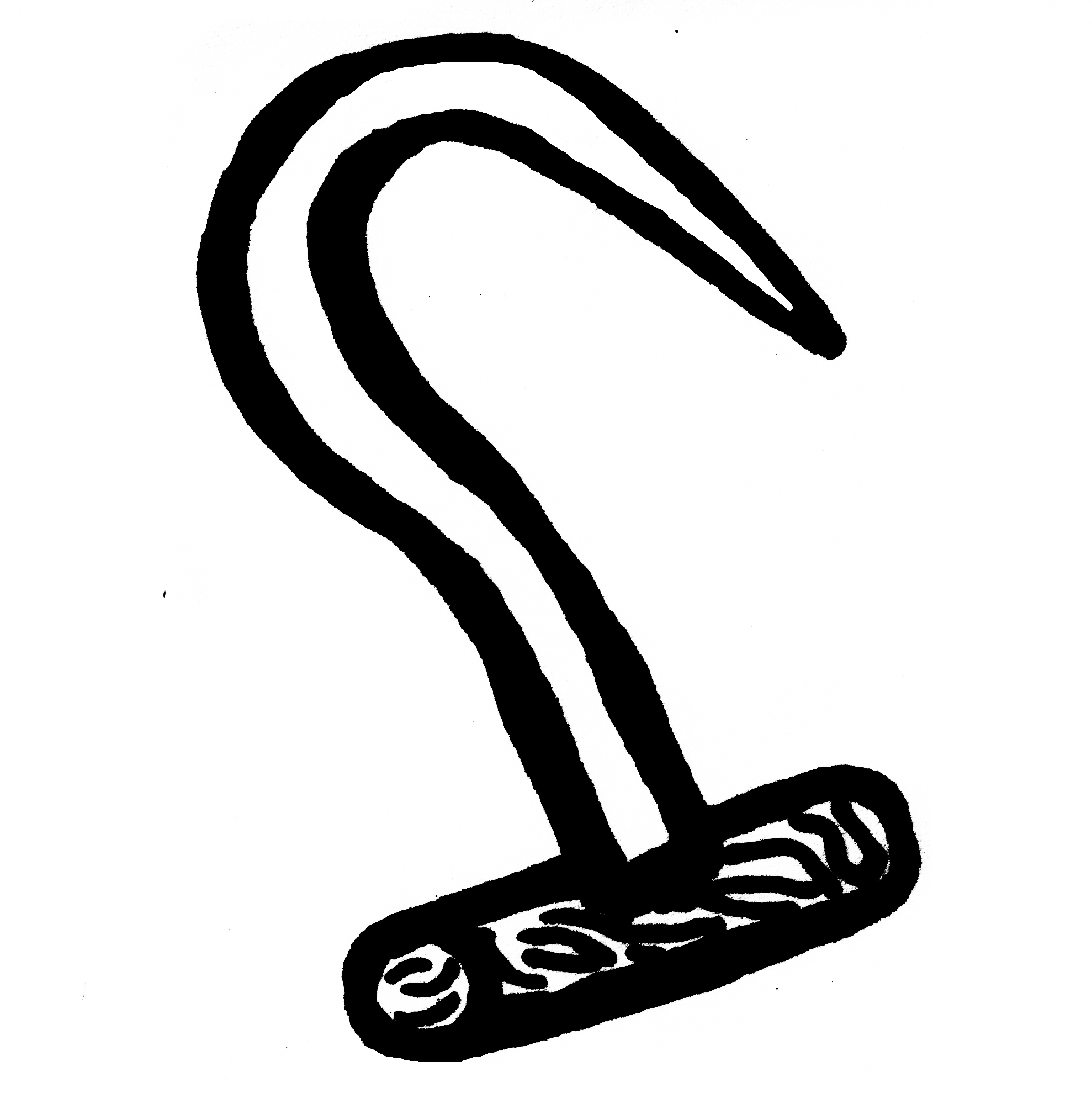
I Know What You Did Last Summer splits the difference between an 80s teen slasher & a 50s road-to-ruin PSA about the perils of reckless driving, updated with a totally 90s cast & an astonishingly shitty 90s soundtrack (including, among other atrocities, covers of “Summer Breeze” by Type O Negative and “Hey Bulldog” by Toad the Wet Sprocket). It’s a little too squeamish about bloodshed to be an effective horror film, slaying most of its victims offscreen and keeping their corpses on ice like freshly caught fish so they don’t stink up the place. It is relatively compelling as an afterschool melodrama, however, with the two main girls’ increasingly grim home lives leading to a few memorable scenes that outperform the undead fisherman’s kills. Its lack of slasher-genre ingenuity is a little surprising given that the screenplay was written by Kevin Williamson one year after he penned the meta-horror hit Scream, which is much smarter about reshaping & reexamining the slasher formula from new angles. His trademark post-modernism enters the frame in an early scene where the teens in peril share campfire stories of the urban legend about a killer with a hook for a hand before suffering an updated version of it in real life, but the same idea was pushed much further in the next year’s Urban Legend, leaving this one effectively moot.

It’s easy to point out the ways in which I Know What You Did Last Summer falls short of 90s slasher greatness, but it’s by no means the worst of Kevin Williamson’s post-Scream teen horror scripts (that would be Teaching Mrs. Tingle). If nothing else, its coastal fishing village on the 4th of July setting affords it some occasional distinguishing novelty, not least of all in the multiple parade sequences featuring gigantic paper mâché fish on wheels. Thanks to Williamson’s previous commercial triumph, it was also made in a time when these teen bodycount movies were produced with robust Hollywood budgets behind them, so director Jim Gillespie (of Venom “fame”) gets to make frequent use of swooping crane shots to liven up the dialogue-heavy melodrama. Still, of all the 90s properties to continually get serialized & rebooted, it makes no sense that something this generic is still being kept alive as Horror Icon IP instead of, say, the more stylish & memorable Williamson-penned classic The Faculty. I pity the poor parents whose pre-teens are going to drag them to the theater for the latest legacyquel addition to the I Know What You Did franchise this summer because they have a crush on one of its famous-only-to-children stars. It’s a tradition that’s gone on for far too long, dragging on since the long-gone days of Soul Asylum, Our Lady Peace, and KoЯn.

-Brandon Ledet

Lagniappe Podcast: Scenes from the Class Struggle in Beverly Hills (1989)

For this lagniappe episode of The Swampflix Podcast, Boomer & Brandon discuss Paul Bartel’s entertainment-industry satire Scenes from the Class Struggle in Beverly Hills (1989).

00:00 Welcome

01:40 Spies (1928)
07:00 Buffalo ’66 (1998)
13:33 A Woman’s Torment (1977)
18:52 The Dinner Game (1988)
23:13 Maigret Sets a Trap (1958)
29:47 The Lodger (1927)
34:35 28 Weeks Later (2007)
40:00 28 Years Later (2025)
52:36 Materialists (2025)
58:30 Cape Fear (1991)
1:06:25 Wolf (1994)
1:13:00 Gwen and the Book of Sand (1985)

1:17:00 Scenes from the Class Struggle in Beverly Hills (1989)

You can stay up to date with our podcast through SoundCloudSpotifyiTunesTuneIn, or by following the links on this page.

– The Lagniappe Podcast Crew

The Dinner Game (1988)

The English-language remake is enough of a modern anomaly that I can only name a few casualties in recent memory: Speak No Evil, Force Majeure, Let the Right One In – each softened & diluted from their European source material to appeal to mainstream audiences in the US. There surely have been meetings to put festival darlings like Anatomy of a Fall, Parasite, and Toni Erdmann through that dumbing-down process, but thankfully the practice of sparing American audiences from complex themes and the burden of reading subtitles has mostly dried up, so none of those projects got off the ground. I do not wish to participate in any nostalgia for the glory days of the English-language remake, but I will admit they’re not all bad. A recent screening of The Birdcage‘s source text La Cage aux Folles at New Orleans French Film Fest had me picking apart the ways that the American version tweaked the original’s template to greater comedic success, if not only through the strength of its performances. Likewise, I spent much of my time watching La Cage aux Folles screenwriter Francis Verber’s single-location farce The Dinner Game imagining how well it would have translated across cultural lines for multi-language remakes. It’s the first time in my life I can remember wanting to see an English-language remake of a European film instead of finding the concept repugnant. One Wikipedia search later, I discovered that not only had The Dinner Game already been remade in America, but I saw that remake when it came out, and it was predictably bland, like the majority of films given that treatment.

The titular dinner game is a cruel ritual in which a group of bourgeois assholes compete to see who can bring the biggest “idiot” to the table as an unsuspecting guest, a perverse hobby the business-prick sickos perform every Wednesday night. They target lonely men with esoteric hobbies like collecting boomerangs or antique ladles, while not recognizing that their own hobby of collecting “idiots” is equally dorky. In France, the film’s title Le Dîner de Cons translates literally to “Dinner for Idiots”. In America, it was remade as Dinner for Schmucks. There are two glaring reasons why I did not recognize the premise from my one-time viewing of Dinner for Schmucks over a decade ago: 1. Outside the opening credits sequence that details the titular schmuck’s mockable hobby (Steve Carell, taxidermist), there’s absolutely nothing memorable about it, and 2. It diluted & reshaped the French source material so much that their resemblance is effectively obliterated. The American version of The Dinner Game feels compelled to deliver on the promise of the premise, making sure that a significant chunk of the narrative action takes place during the dinner. In the original, however, dinner is never served, and the maddening ways in which the “World Champion Idiot” constantly derails the plot’s progression towards that dinner are almost Buñuelian in their absurdity (recalling, specifically, The Discreet Charm of the Bourgeoise). It’s like a stage play where the audience is not allowed to escape Act 1, while the upper-class assholes are cosmically tortured for their crimes against the droll hobbyists of the world.

Jacques Villeret stars as a milquetoast tax auditor who staves off loneliness by making models of famous architecture using only matchsticks & glue. The square-jawed Thierry Lhermitte is excited to show off this breathtaking discovery of “idiocy” to his social circle of cads, but he never arrives to dinner with his World Champion Idiot in tow. Instead, Villeret unwittingly, systematically ruins Lermitte’s entire life one asset at a time – dissolving his marriage, driving his mistress to suicidal ideation, subjecting him to investigation for tax fraud, and effectively crippling him by tweaking his spasmatic back. None of these effects are the result of malicious intent, and most are achieved through mishandled phone calls made from Lermitte’s apartment. Alternating between the giddiness of a small child and the dead-eyed stare of a walking corpse, all the sweetheart imbecile Villeret can do is apologize by admitting, “I goofed,” after each social catastrophe. The audience is always on the pure-hearted idiot’s side, however, and any downfalls suffered by his straight-man victim register as just desserts for participating in the cruel ritual of the title. The fact that Villeret manages to make Lermitte’s plans backfire spectacularly before the game even starts is itself part of the cosmic torture. It’s a universally funny premise that translates well enough across cultural divides that every country could’ve staged its own Birdcage-style remake without deviating from the original script, each featuring its own National Champion Idiot: Roberto Benigni in Italy, Rowan Atkinson in the UK, Chris Farley in the US, etc. Instead, it got diluted & reshaped into Dinner for Schmucks, decades too late and mangled beyond recognition. Oh well. 

-Brandon Ledet

Buffalo ’66 (1998)

There was a brief time a couple decades or so ago when Vincent Gallo was an exciting creative voice. I was recently reminded of this when visiting the independent theater Cine Tonalá in Mexico City, which prominently displays a framed poster of his directorial debut Buffalo ’66 in the lobby. It’s still a beautiful object that conveys a kind of in-the-know, independent-cinema cool, and it was worth framing to preserve the layer eye-catching glitter in its title text (which reads more as television static in the 2D version I’m more familiar with). The young, mysterious Vincent Gallo who made Buffalo ’66 and Brown Bunny is long-dead, though, having since been replaced by a grimy right-wing demon who lashes out at anyone who dares to question his all-knowing, all-powerful genius. Audiences no longer have to wonder how Gallo channeled such a putrid, self-centered asshole of a character as the lead of his own 1998 debut. The remaining wonder of the film is that Gallo does seem to be fully, demonstrably aware of how unpleasant he is to be around. He starts Buffalo ’66 being released from jail into the winter snow, with no loved ones meeting him at the gate. Unable to impress his parents with a genuine girlfriend, he kidnaps a teenager at gunpoint and forces her to play house to make himself appear loveable. He then spends the rest of the film working up the courage to settle a one-sided vendetta with a single act of violence he doesn’t have the stomach for. He’s deeply, thoroughly uncool – a total loser.

Vincent Gallo put a lot of himself into the depressive loserdom Buffalo ’66, which is something he’d go on to brag about to the press. Every chance he gets, he takes sole credit for everything about the picture that earns positive critical feedback, downplaying all contributions from his creative collaborators. The teenage Christina Ricci gives an incredibly bratty, disaffected performance as Gallo’s kidnap victim, modeling a babydoll grunge dress & tap shoes combo that affords the movie most of its late-90s cool. According to Gallo, she was more of a “puppet” than an actor, with him operating her every move on camera as the omnipotent puppet master. Similarly, he’s taken sole credit for all the creative work in the screenplay, describing his credited co-writer Alison Bagnall as a glorified “typist.” He doesn’t just take credit away from women, though. He’s also claimed ownership of every creative choice in the cinematography, firing industry legend Dick Pope early in the production and replacing him with Lance Acord, whom Gallo describes as a hired “button pusher.” That by no means covers the full scope of “difficulties” Gallo had with his cast & crew (his public feud with a nearly-unrecognizable Anjelica Huston, playing his mother, is even more storied), but it does cover the three factors that make the movie stand out as remarkably great, each apparently attributable to Vincent Gallo’s singular genius in a world full of lifeless automatons that he has to manage in order to see his vision through. Poor guy.

The first time I saw Buffalo ’66, I was around the age & temperament of Christina Ricci’s character in the movie, by which I mean I was a gloomy teenage grump. She’s the only character who fully falls for Gallo’s bullshit, fawning over him as “the sweetest guy in the world, and the most handsome” while his more jaded & faded friends & family resent his lingering presence as if he were a pestering ghost. I was similarly smitten with Gallo’s artistic vision at that age, finding Buffalo ’66‘s unpredictable camera angles and segmented picture-in-picture frames to be an exciting new spin on the lone-wolf crime genre. Revisiting the film a couple decades later, the relentless, exhausting rhythm of Gallo’s dialogue fits right in with the general overwritten machismo of the post-Tarantino cokehead 90s, and you have to squint a little harder to pick up on its one-of-a-kind novelty. Undoubtedly, the movie still looks cool, approximating the same Polaroid-in-motion aesthetic achieved in Fiona Apple’s “Criminal” music video. The dialogue purposefully undercuts that cool at every turn, though, with Gallo’s explosively violent reaction to every minor setback in his go-nowhere missions to impress his parents and settle an old football betting vendetta making him look like the squirmiest of little worms. When I was a teenager, I understood this to be a cool movie for cool people; now I understand it to be a slickly-produced character study of a terminally uncool dipshit.

As relentlessly gabby as Gallo’s antihero is in Buffalo ’66, his self-edited cut of the trailer features no dialogue or moving images. It’s just a series of stills conveying how cool the movie looks as a collection of working-class-fringe aesthetics while avoiding how grating of a personality Gallo himself plays at the center. It’s the same smartly observed marketing approached that inspired the glitter on the poster, promising a kind of indie-cinema glamour that willfully ignores the rotten core just beneath that layer of glimmer. At no point in the film does any of this petty-bully characterization feel at all unintentional. Gallo seems to know exactly how queasily pathetic he’s coming across on camera, which only makes it odder that he seems unaware of how that small-minded narcissism is coming across behind the camera. Maybe his dwindling opportunities to follow through on the promise of Buffalo ’66 & Brown Bunny have cleared that up over the years as he’s burned professional bridge after bridge (at one point even getting into vicious public feuds with his critics, most infamously Roger Ebert). I don’t know that letting him out of director’s jail would do any good at this point, though. His late-90s moment is long gone, and now he’s just a pestering indie-cinema ghost haunting vintage posters & Goodwill DVD shelves.

-Brandon Ledet