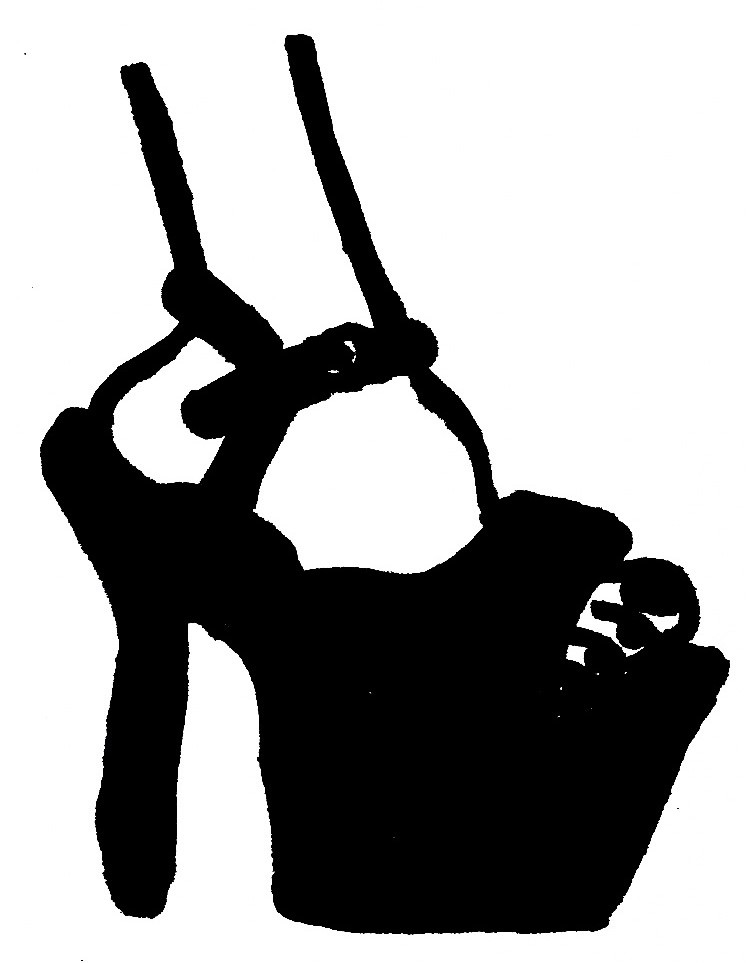

Kokomo City is one of the most visually stunning documentaries I’ve seen in a long while, composed entirely of black & white images so stark in contrast they recall old-world nitrate celluloid; it’s practically filmed in black & silver. It’s also one of the most awkwardly edited docs I’ve seen in a long while, to the point where it’s difficult to believe it was shot & edited by the same person. First-time filmmaker D. Smith started the project largely as a one-woman show, interviewing a small cast of transgender sex workers about their lives & labor while she was on the verge of choosing between the trade and homelessness herself. Her total control over the project as a director, cinematographer, and editor speaks to its qualities as an intimate, personal work that makes space for its subjects to speak candidly about their lives without hesitation or filter. It also speaks to Smith’s comedic sensibilities, often undercutting those confessional interviews’ darker turns with the boi-oi-oing sound effects & slide whistles of a vaudevillian cartoon. Maybe that choice was necessary to prevent the film from becoming one-dimensional miserabilist poverty porn about Black trans women’s lives, but its flippant soundtrack choices and shot-to-shot rhythms still distract from how gorgeous its individual images are in isolation. It’s continually frustrating that these same raw materials could easily be re-edited into something timelessly cool instead of something needlessly frantic.
This is likely a silly complaint to make about a project that’s entire point is to just listen to four women tell their own stories in their own environments. In conversation, the subjects redefine sex work as “survival work”, making it clear that even in the best circumstances their lives are in the hands of their (often closeted, often married) clients. There’s a morbid humor to their interviews even without the Looney Tunes sound cues; the movie opens with a near-death experience involving a john with a handgun that’s recited as if it were a cocktail party anecdote instead of a traumatic memory. Smith is determined to communicate that the women’s lives are not joyless, which comes through clearly enough in its fish-eye lens music video skits and stylistic callbacks to classic She’s Gotta Have It-era NYC indie filmmaking. There’s just something about those anecdotes’ sequencing that feels over-fussed in the edit. It’s jazzy in a 30 Rock kind of way instead of jazzy in a Tribe Called Quest kind of way, which distracts from the individual stories being recorded. The four women interviewed—Daniella Carter, Koko Da Doll, Liyah Mitchell, Dominique Silver—get much-deserved “Starring …” title cards in the opening credits, which is a testament to how much the movie hangs off their every word. It’s very much worth rolling your eyes at a couple corny needle drops and morning-radio shock jock sound effects to hear what they have to say, especially since they all look so incredible saying it.
I’m being a little overly critical here, especially for a movie made with so few resources. Kokomo City is clearly a cut above the kinds of poverty-line trans life documentaries I’m used to seeing at film festivals – titles like Pier Kids, Kiki, and Check It!. It’s only frustrating because a few small tweaks in the editing style could’ve elevated it to something much more substantial, landing it among all-time queer classics like Paris is Burning, The Queen, and Dressed in Blue. I’m likely being shortsighted on this point; time will likely be kind to Kokomo City both as an aesthetic object and as a cultural time capsule. Its Instagram-inspired art direction, rap skit comedic antics, and gaudy onscreen text might cheapen its more immediately satisfying choices to my old-man eyes & ears right now, but in time might make it indispensable as a document of a specific moment in outsider queer culture. Maybe this was what watching the video-art experimentation of Marlon Riggs’s Tongues Untied felt like thirty years ago. It certainly carries the same sense of communal grief, political fury, and defiant humor. I might just need a little time & distance to fully appreciate how those impulses are warped by the tools of modern digital filmmaking.
-Brandon Ledet
 Swampflix