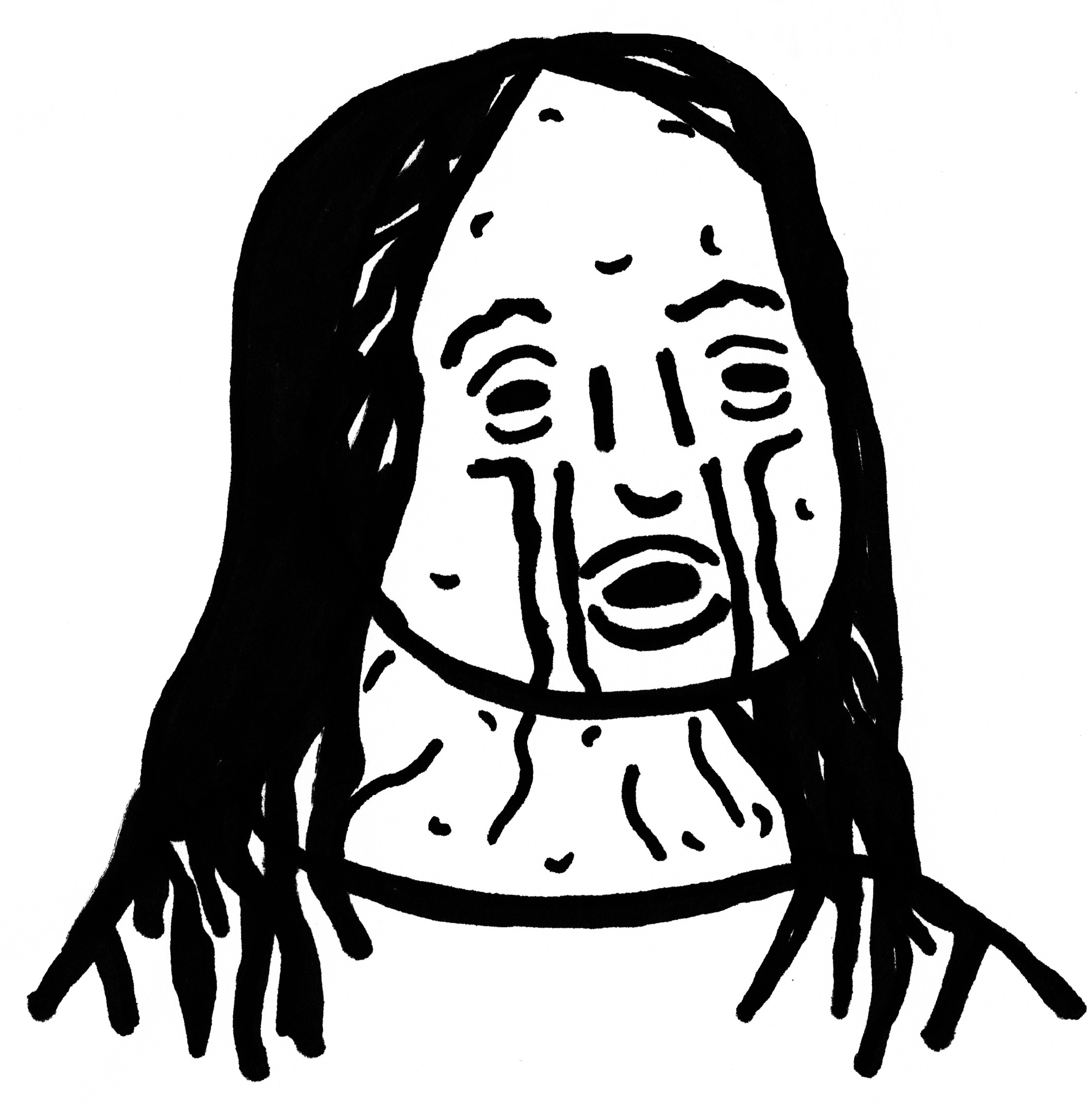

A lot of the best stop-motion animation in recent years has been pure nightmare fuel. Hellish visions like Mad God, The Wolf House, and the sickly puppetry of Violence Voyager have spoiled stop-motion freaks whose most cherished memories of the medium align more with vintage Švankmajer and Tool videos than with Wallace & Gromit or Rudolph & Hermey. This new crop of stop-motion nightmares doesn’t bother much with plot or character; they’re more of a pure-cinema ice bath in the most grotesque, upsetting imagery their animators can mold together. Until recently, British director Robert Morgan has ridden that wave of animated hellfire in his stop-motion horror shorts, but now that he’s graduated to his first feature, he’s proving to be a little more accommodating to audiences than Phil Tippet was in his own decades-in-the-making magnum opus. Morgan’s film is intensely grotesque in both its imagery and its sound design the same way Mad God and The Wolf House were, but it’s much more familiar in its narrative structure and adherence to genre conventions. It presents a small taste of pure-Hell animation for audiences who don’t have the patience for the medium’s more abstract, immersive titles, offering them frequent refuge in the relative safety of live-action drama.
Stopmotion is an artist-goes-mad horror about—shocker—a stop motion animator. Aisling Franciosi stars as the assistant animator to her much more famous mother: an elderly, hands-on filmmaker who is losing the facilities of those aging hands, so she uses her daughter’s to complete her projects. The daughter channels her frustration with her own stifled creativity as her mother’s “puppet” (both figuratively and by pet name) into her private, increasingly disturbing filmmaking. She tries to find her own voice by tapping into her childhood imagination, which has stagnantly rotted into something bitter & violent. Blacking out for hours in her isolated studio, she begins animating a cursed fairy tale about a lost girl in the woods who is hunted & tormented by a mysterious figure known as The Ash Man. She crafts both figures out of rotting meat & animal parts, making it viscerally unpleasant for anyone to visit & break her spells. Meanwhile, she begins to expand her practice of “bringing dead things back to life” through animation by playing with her mother’s failing body . . . and by dispensing with anyone who dares interrupt her creative flow. It’s a fairly conventional, predictable horror plot, except that it’s punctuated by scenes from the cursed fairy tale short that bubbles from the hellpits of the animator’s subconscious – its puppet players eventually escaping the screen to attack their creator in the flesh.
Despite all of the ways that Stopmotion contains & normalizes its most horrific images, it’s still a convincing testament to the dark power of creative drive. There are few artforms as isolating as stop-motion animation, which requires long, patient hours of small movements with small results. While our artist-in-peril’s colleagues are seeking paid, collaborative gigs for commercial work, she sinks exponentially further into the isolation of her craft. The sounds of her concentrated breaths overloading the microphones or of her rotten meat puppets squishing under her careful manipulations are both truly unnerving and true to the nature of her chosen medium. All that really matters here, though, is the putrid atmosphere of the Ash Man short that’s gradually doled out in a traditional, three-act fairy tale structure. It’s upsetting in the same way Mad God & The Wolf House are; there just happens to be a lot less of it, and it’s somewhat diluted by narrative handholding that anchors it in the real world. It’s a distinction that makes Stopmotion a good “genre” movie instead of a good “arthouse” movie, but whatever. It’s good.
-Brandon Ledet









 Swampflix