
As much as I enjoyed the disorienting dream-logic set designs of Kane Parson’s buzzy “liminal horror” debut Backrooms, I did struggle to find its corporate-void setting especially scary or unsettling, and I have to question how much of that disconnect is generational. On its opening day, I left my beige-cubicled office job to watch Backrooms in a downtown shopping mall with clearance signs hanging over the front entrance, so it felt a little like having my average workday regurgitated back at me through a digi camcorder filter. Even long before COVID lockdowns and the subsequent recession left behind that hollowed-out corporate world, I’ve always had daily interactions with those kinds of unused or depopulated “liminal spaces,” left to rot after they outlast their intended function. They’re familiar to the point of being oddly comforting, since as an adult they offer a quiet, momentary getaway from the social chaos of city life and as a suburban teen they offered a private place to sneak alcohol and other consumable vices outside the supervision of grownups. For a younger generation who spent formative teen years in the era of “social distancing,” however, I can see how Liminal Spaces might represent a much more horrific aspect of modern life, as remnants of a dead, emptied world with nothing left to offer the poor souls inheriting it. Compare the differing generational relationships with Liminal Spaces in the Gen Z horror of Backrooms against the hopeful Millennial art projects of last year’s Secret Mall Apartment, for instance, and you’ll find two starkly distinct worldviews (one which sees them as the physical manifestation of a culture-wide nightmare and one which sees them as an opportunity to have flagrantly illegal fun with your friends).
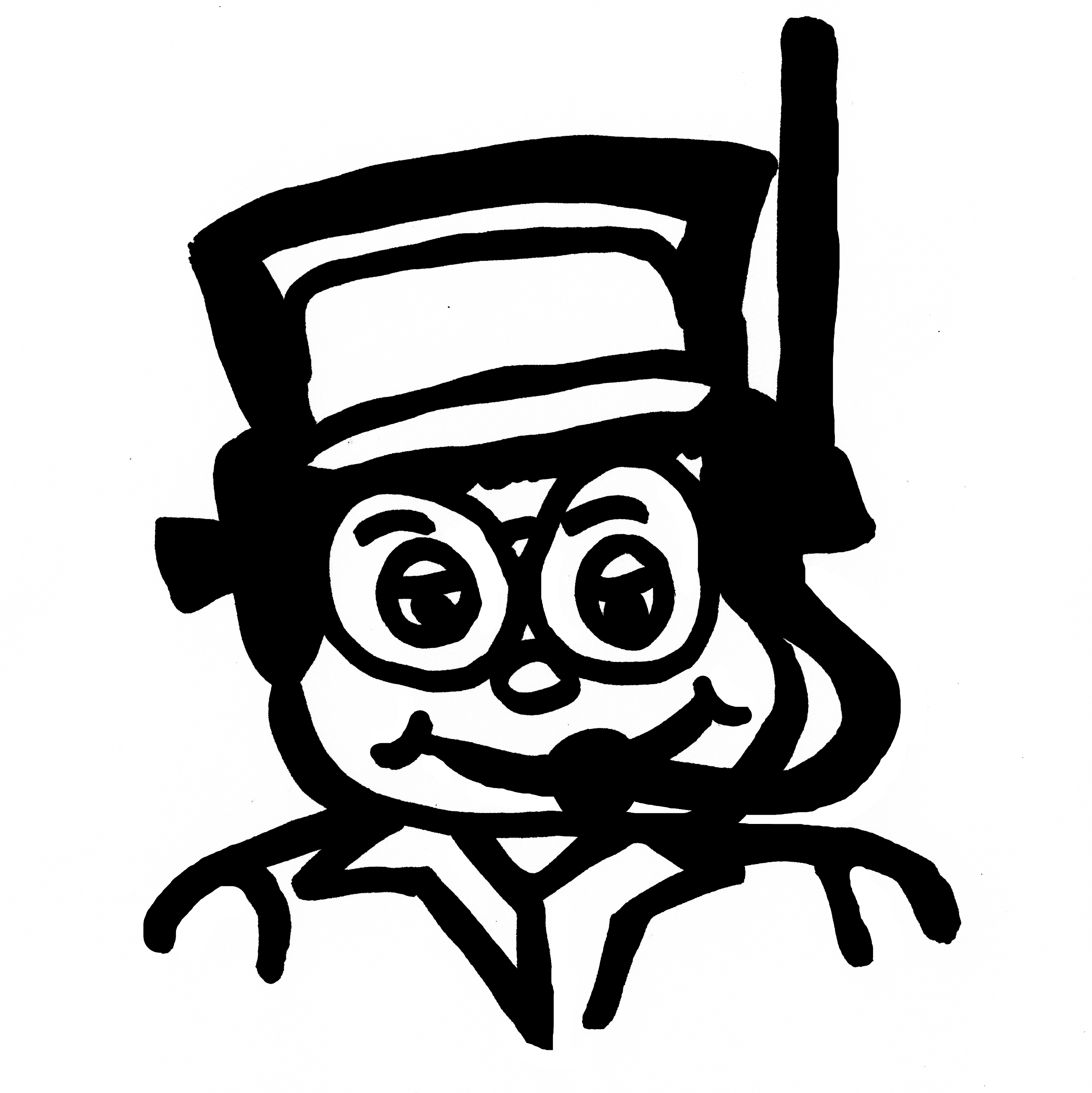
Actually, you can save some time by just watching Stolen Kingdom instead, which combines both of those generational relationships with Liminal Spaces in one concise 75min picture. Stolen Kingdom presents itself as a documentary about the high-risk theft of a specific animatronic prop from a retired Disney World attraction — namely, Buzzy, from the “Cranium Command” exhibit of Epcot’s “Wonders of Life Pavilion.” Buzzy’s mysterious kidnapping offers this unassuming documentary a great dramatic hook, allowing it to dress up its talking-head interviews with an endless parade of theme park dorks in the conspiracy-thriller costuming of a true crime doc. In practice, though, Buzzy’s theft is only a small part of the story told here, which proves to be a much broader portrait of an urban exploration subculture that spans multiple generations of interaction with Liminal Spaces. As described by various talking heads (who almost all have been banned from entering Disney theme parks at one point in their lives), the transgressive act of breaking into off-limits areas of theme park attractions has changed drastically in meaning over the years. In the earliest instances of urban exploration at Disney World, teenagers under anonymous pseudonyms like “Hoot” & “Chief” would trespass backstage on dark rides to take up-close pictures of attractions usually kept distant from the public, both as a juvenile act of thrill-seeking vandalism and as a genuine appreciation of theme park artistry. Later, the urban exploration itself became the main attraction to these stunts, with YouTubers like Matt Swonsa making a modest career out of bragging on camera about their petty crimes in action, shifting the cultural focus from art to narcissism. By that time, most of what was being produced was about how eerie & spooky Disney’s abandoned attractions had become in corporate rot, all shot in crime-scene flashlight like a real-life version of Five Nights at Freddy’s.
Regardless of whether they find the craftsmanship of vintage Disney attractions cool or creepy, the majority of Stolen Kingdom‘s interviewees at least agree that there’s a great moral chasm between exploring them and looting them. As a closed-off subculture with isolated online fiefdoms, urban exploration has developed its own heroes & villains and internal debates over ethics & integrity. That’s where the theft of Buzzy comes in. The indisputable villain of this piece is former urban explorer Patrick Spikes, who was arrested for conspicuously stealing & selling off props from retired Disney attractions instead of merely documenting them for his YouTube followers. No one has ever proven that Spikes stole the missing animatronic from Epcot, but filmmaker Joshua Bailey does sit him down for a lengthy, self-incriminating interview here, where he comes across about as innocent as Robert Durst in The Jinx. As a cultural artifact, Buzzy is effectively valueless; it’s not like someone stole the Ursula animatronic from the still-active Little Mermaid dark ride. As a symbol of moral crisis within the urban exploration community, however, the missing robot means a lot to the world profiled in Stolen Kingdom, equipping the movie with a narrative engine it would be totally inert without. Personally, I most appreciate this documentary as an illustrative timeline of how young people’s relationships with Liminal Spaces has evolved over the past few decades, as well as a dirtbag counterpoint to the more earnest hopecore sentiments of Secret Mall Apartment. Regardless of our varied generational allegiances in the cultural meaning of Liminal Spaces, I also find it comforting to know that most people are still in agreement that personal profit is a repugnant motive for doing pretty much anything, while sharing art is a morally righteous one. The kids are still alright.
-Brandon Ledet


Pingback: Lagniappe Podcast: Three Days of the Condor (1975) | Swampflix