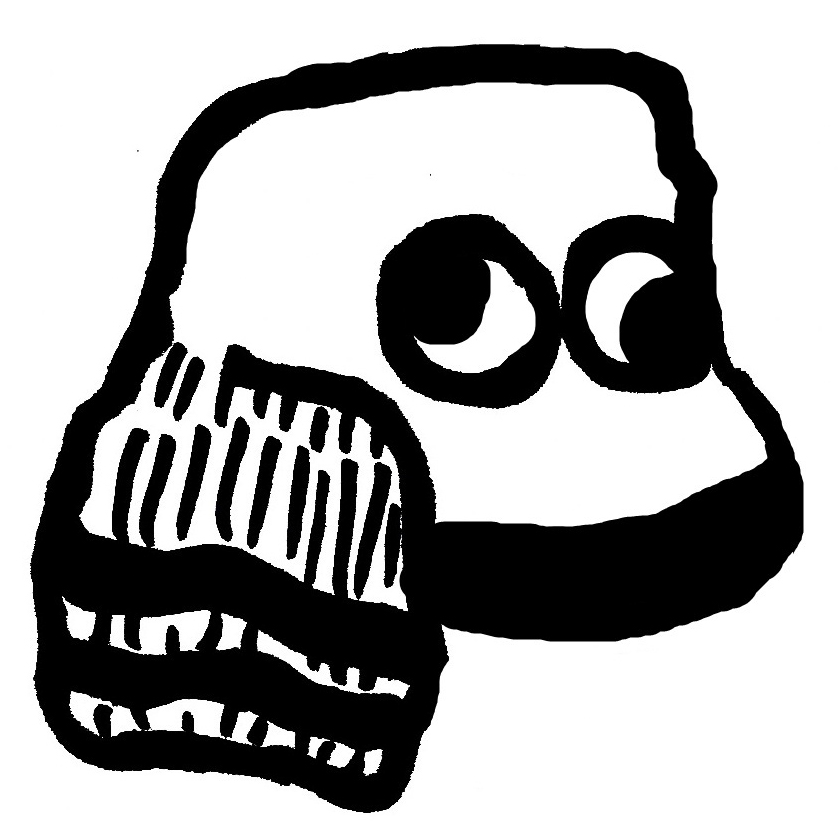

Someone alert Ned Flanders; they’ve finally found a way for you to watch Woody Allen movies without Woody Allen in them. Last year, there were two prestige dramas that borrowed The Woody Allen Font to billboard their discussions of sexual assault within the university system: Eva Victor’s Sorry, Baby and Luca Guadagnino’s After the Hunt. Those allusions to Allen’s past reign as the neurotic king of overly talky indie cinema were presumably semi-ironic—given Allen’s more recent association with sexual abuse outside of the cinema—but they’re at least honest about Allen’s continued influence on the Sundance drama as a medium. There are tons of recent options to check out if, like Ned Flanders, you like Woodsy Allen movies but don’t like that nervous fella that’s always in ’em: Jesse Eisenberg’s A Real Pain, James Sweeney’s Straight Up, Matt Farley’s Local Legends, and now Baron Ryan’s Two Sleepy People. There’s a whole new crop nervous fellas to choose from if you don’t care for the last one.
First-time writer/director Baron Ryan stars as a scrawny, neurotic office worker who’s trapped in an endless loop of pointless couple’s therapy with a wife he doesn’t love. His co-writer Caroline Grossman co-stars as a new coworker who catches his eye during awkward pitch meetings for a marketing campaign to sell melatonin pills. They both quickly latch onto melatonin’s natural occurrence in breast milk, inappropriately blurting out ad pitches focusing on “mommy milkers” during team meetings. Whatever Mommy Issues inspire those outbursts then echo in their melatonin-fueled dreams, which they start to inexplicably share as a married couple in a psychic common-space, vaguely remembering their nightly otherworld trysts the next day at work. It’s a clever way to literalize a workplace emotional affair by staging it in a psychic space separate from everyday reality, and it allows the two lonely souls to safely pair up & confront childhood traumas they’ve suppressed in artificial stage play environments. It’s also a clever way to interrogate big-picture concepts through limited cast & locations, revealing more about the writers’ hang-ups with the way they were raised as children than their fictional avatars’ phony struggles with intimacy.
Two Sleepy People starts with a consciously equal balance between the two leads’ leftover Mommy Issues and subsequent young-adult neuroses. We get to know them in their respective real-world living spaces where they’ve trapped themselves in prisons of their own design, with jailcell bars made of unpacked moving boxes or compulsively purchased houseplants depending on the apartment. Things are much more pleasant in their emotional-cheating dreamscape apartment, give or take the Lynchian theatre stage just outside the front door that forces them to relive memories of the mommies who failed them. While those memories also start off equally balanced between the two characters, Baron Ryan’s Woodsy Alleny protagonist eventually takes the literal spotlight, and the back half of the film largely becomes about his impending, unavoidable divorce. The film is most enjoyable in its first half, while it’s unsure how to define the rules of its Sleep Life/Real Life divide and the audience is still learning to love the characters and their worlds. Once their in-the-moment romantic issues have to actually mean something to move the plot along, it loses a lot of steam, and the nervous fella at the center of it all unfortunately outlives his welcome by at least a few overly chatty minutes of runtime.
The miracle of this microbudget indie project is that it’s ever funny or charming at all. Clicking around online, I gather that Baron Ryan is usually billed as a “creator” instead of a filmmaker, which means he already has a small following from making short-form videos on platforms like Instagram & TikTok. For the most part, his Very Online sense of humor translates relatively well to a feature film format, landing punchlines that work just fine out of context (such as a short story pitch about a fetus who is issued an eviction notice from its mother’s womb) and jokes that only make sense in this high-concept scenario (such as the double meaning of a coworker’s accusation that “Everyone knows you’re sleeping together”). There’s a timidity in just how emotionally or psychologically vulnerable he & Grossman are willing to get in their script, though, which especially shows in their fear of broaching the subject of sex. Their characters never physically cheat in their shared psychic space; when the subject of sexual needs or kinks comes up in conversation, they brush it aside to instead embarrass themselves with reenacted childhood memories and read-aloud diary entries. Compare that guardedness with the open-book neuroses of Joanna Arnow’s similarly themed & budgeted The Feeling That the Time for Doing Something Has Passed, and you get a sense of just how careful Ryan & Grossman are to not fully Go There. To their credit, though, Woody Allen revealed way too much about himself in his own pioneering versions of this neurotic romcom subgenre, and we all now wish we knew way less. They may be sparing us in the long run.
-Brandon Ledet
 Swampflix
Pingback: Lagniappe Podcast: The Beast Pageant (2010) | Swampflix
Pingback: Videoheaven (2026) | Swampflix