
It’s really important to catch Laika movies in theaters — not so much to experience their innovative stop-motion artistry on the big screen or to financially support the brand, but because the trailers always remind you of how much less obnoxious they are than most other children’s movies on the market. The loud, sugar-addled trailers for upcoming Disney, Dreamworks, and Illumination titles that played before my local AMC screening of Wildwood were deeply depressing, a stark reminder of just how dire most kid-friendly corporate content is. In contrast, the dark mood, complex emotions, and visual majesty of the feature presentation was even more impressive, making it clear just how vital Travis Knight’s Nike-funded vanity project is on the modern animation landscape. Still, there were moments of Wildwood where the studio’s animation technique was so smoothly, competently achieved that it was near-indistinguishable from what its CG-animated competitors are peddling. As the modern stop-motion heavyweights, Laika & Aardman have both perfected the artform to the point where imperfections have to be artificially reinserted into the work to give it the handmade feel of stop-motion’s past. It’s wonderful that a modern movie studio is still making aesthetically beautiful animation for young audiences, but is it possible that it’s become too beautiful?
That’s at least a question I asked myself while watching the rougher-edged, lower-budget monster mash I Am Frankelda at home the same day I watched Wildwood in theaters. The straight-to-Netflix indie production has been advertised as Mexico’s first fully stop-motion animated feature film, one that’s been quietly received in the US but was popular enough elsewhere to serve as the prequel for a Cartoon Network Latin America TV series. Fraternal directors Arturo & Roy Ambriz seemingly deployed the same 3D printing technique that make Laika & Aardman productions so machine-perfect, but they’re working with a much smaller, scrappier crew than those two towering studios’, and it shows in the stilted, misshapen details of the work. And yet, the constant onscreen reminders that I Am Frankelda was made by human hands imbues it with a genuine, poetic magic that’s somewhat lost in larger productions like Wildwood. A lot of stop-motion’s charm is in the ordinariness & tactility of its creation, and the Ambriz bothers’ indie studio Cinema Fantasma is still intimate & hands-on enough to carry that charm from figurines to screen. It’s possible that the tie-in TV series Frankelda’s Book of Spooks will gradually become so popular that their production scale will eventually escalate to match Laika’s, and that tactile charm will be lost to time, but for now they’re operating in a perfect artistic sweet spot.
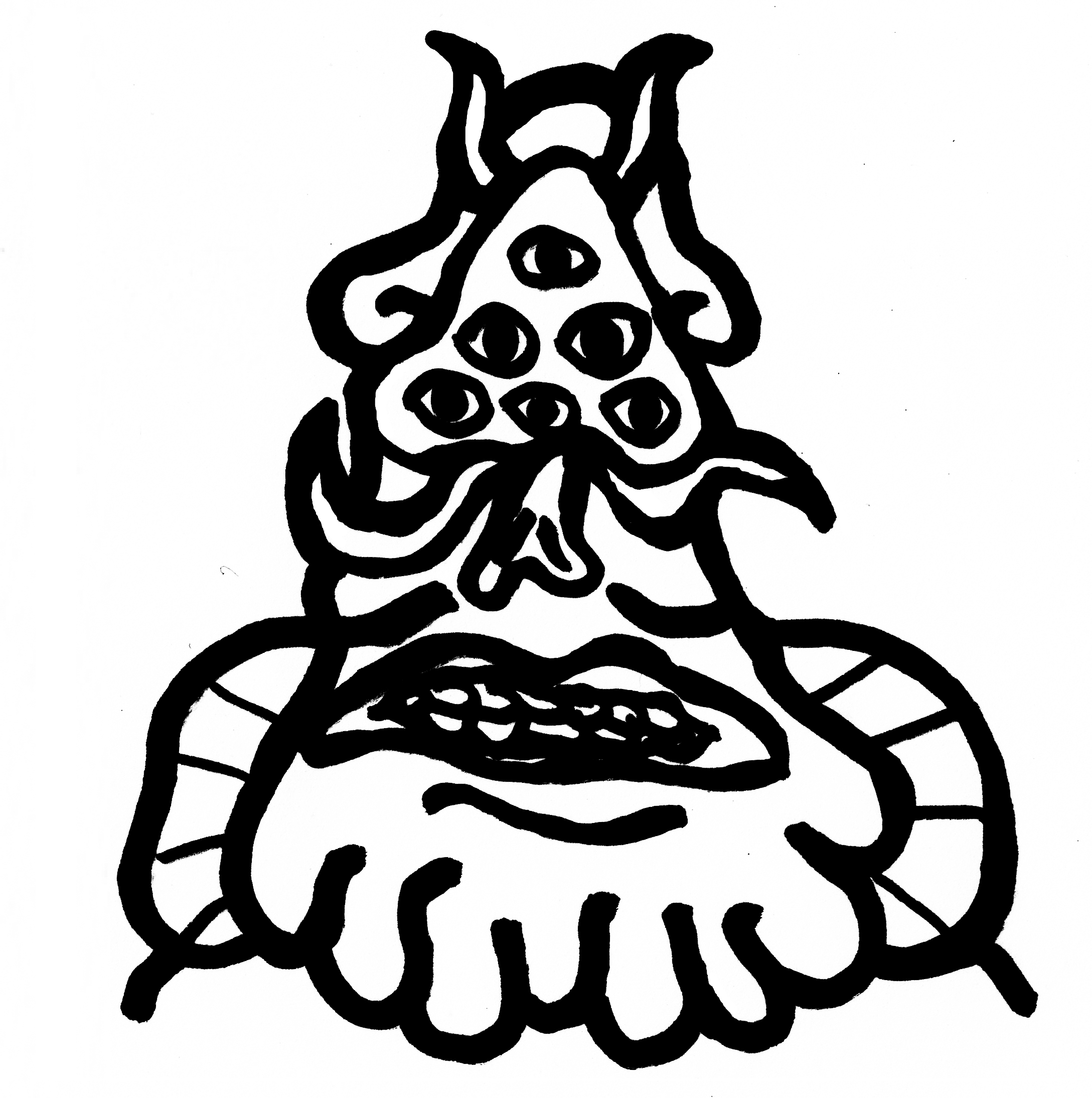
Besides their shared stop-motion medium, Frankelda & Wildwood are also linked as dark children’s fantasy stories about scary bird-people. In I Am Frankelda‘s case, those talking bird-creatures live underground, which feels somewhat counterintuitive as a limitation to their flight. To be specific, they are winged demons, connected to the humans aboveground in 19th Century Mexico through the power of literature. They are the monsters under our beds, an underground class of magical creatures who inspire humanity’s fears that we, in turn, translate into art. The titular Frankelda is the one artist who manages to physically access their demonic underworld, at first translating the fears the demons inspire into a storybook but eventually joining them in a supernatural hostage crisis she can’t fully escape. The resulting movie-musical struggle between human & monsterkind is the kind of mall-goth fantasia that Tim Burton & Guillermo del Toro dream about when they close their eyes at night, populated with a wide range of beautifully hideous monster puppets slathered in glow-in-the-dark paint. Like Wildwood, it’s a children’s adventure into a dark fantasy world, but its dream-logic rules of how fiction is “more real than reality” allows its imagination to stray as far into that demonic wilderness as the Ambriz brothers’ 3D printer can possibly go.
Another way that Frankelda resembles Wildwood is that it is overlong by a third. The TV series it sets up, Frankelda’s Book of Spooks, follows a Tales from the Crypt-style anthology format, in which Frankelda introduces 15-minute horror stories about misbehaved or cowardly children who need to be scared by monsters to learn a life lesson. Most episodes open & close with Frankelda playing Crypt Keeper, but in the finale her own childhood story of how she came to be trapped in the demonic underworld is told in fifteen concise minutes. This prequel film retells that exact story, recycling some of the exact imagery from the episode, at a 100-minute sprawl, which allows its internal lore a little too much space to get tangled up in its own convolutions. We learn very quickly that Frankelda is being held hostage specifically because the demons below are running out of good ideas for inspiring nightmares in the increasingly jaded youth of “today” (give or take a century or two), and so she’s stuck in their nightmare realm as an unpaid staff writer for all of eternity, or at least until Cinema Fantasma can’t earn any more outside funding. Without the anthology vignettes to break up that origin story at regular intervals, the movie version of Frankelda’s own morbid tale gets a little exhausting by its final stretch, especially once you’ve already met all the multi-eyed demons in her supporting cast of freaks.
It’s unclear what Frankelda‘s future will be. The first & only season of the show aired five years ago, and this subsequent prequel movie made such a quiet splash on Netflix that it’s unlikely to justify international distribution for another follow-up. The anthology format of the series means that the Ambriz brothers can continue telling Frankelda stories forever if they can find an outlet for it, though, and it’s got an Over the Garden Wall quality to it that makes it perfect Halloween Season ritual viewing in its brevity & rewatchability. My hope is that, like Over the Garden Wall, it’ll eventually earn enough of a cult following to make Cinema Fantasma as much of an animation-nerd household name as Laika & Aardman—if not only as their weirdo goth-kid little brother—and Frankelda’s demonic hostage crisis will continue on for all of eternity, alongside other stop-motion tales of the macabre.
-Brandon Ledet

