Naughty New Orleans (1954)

It’s Carnival time in New Orleans, when civic pride is its most glowingly beautiful. This is not always an easy city to live in, but it is an easy city to love, and Mardi Gras is our annual reminder of how wonderful it can be at its best. It’s also an annual reminder that its wonders & beauty have never changed in any significant way. The dozens of Carnival seasons I’ve celebrated all feel part of one grand hedonistic continuum, set against the unchanging backdrop of centuries-old French Quarter facades. It’s a rejuvenating ritual that helps me combat the “Ain’t dere no more” nostalgia of grumps who complain that the city isn’t the same as it used to be since Katrina, or since the ’70s, or since whenever that particular grump happened to be in their carefree twenties. People change, governments change, but the city stays the same, like how a river keeps its name even as new water flows through it.

There are much less expensive, exhausting ways to be reminded of this grand New Orleanian continuum than attending Mardi Gras in-person. You could also just watch a movie. Any picture filmed in the French Quarter, regardless of purpose or quality, is a documentary about the city’s temporal stasis. The opening montage of 1954’s semi-nudie cutie Naughty New Orleans takes that mission more seriously than most, explaining the allure of “the city that care forgot […] where life is lived at a different pace” in overly formal newsreel narration. Of course, this narration is illustrated by a slideshow of French Quarter architecture, which looks exactly the same now as it did 70 years ago, give or take changes in fashion among the day-drinking pedestrians and hand-painted advertisements that adorn it. That is, until the movie settles on Bourbon Street, which has been unofficially annexed from the city proper and now exclusively belongs to the tourists.

Naughty New Orleans is less of a feature film than it is a lengthy tourism ad for the Bourbon Street strip club strip. Its poster is drowning in ad copy, enticing viewers to “actually visit the heart of world-famed French Quarter” where we’ll be treated to “delightful adult entertainment, exactly as seen by millions of visitors from across the world [….] a sophisticated treat with the girls you’ll meet on Bourbon Street.” Bourbon Street is still anchored by strip bars and dance clubs today, but the “adult entertainment” dancing style therein has changed dramatically. If you want to see burlesque, you have to flock to nerdier spaces like The AllWays Lounge on St Claude Ave, where actual New Orleanians drink. Bourbon Street strip clubs are where men from Ohio get blackout drunk to half-remember pole dances that would’ve been identical to what’s offered back in Cleveland, just now with commemorative plastic beads.

A document of stripping-fashions past, Naughty New Orleans is a vintage Bourbon Street striptease revue set to somber jazz and routinely interrupted by hack comedy routines & whispers of a plot. Set inside the “Ain’t dere no more” Bourbon Street club The Moulin Rouge, the core of the film is a series of burlesque acts akin to what I’ve seen performed in more recent years at The AllWays and One Eyed Jacks. Occasionally, a dancer will perform a superheroic feat like simultaneously helicoptering four independent tassels on her bra & panties in opposing directions, but mostly they just put on and take off their gartered stockings one leg at a time, just like everybody else. If you can ignore the heavily laugh-tracked, light-on-actual-laughs comedy sketches that interrupt those dance routines, it’s a warmly pleasant, classically smutty good time.

The ideal version of Naughty New Orleans would’ve continued the overly verbose newsreel narration throughout and strictly stuck to the striptease revue format in the mondo-movie fashion of a Mondo Topless or a Wild, Wild World of Jayne Mansfield. Instead, the film is flimsily held together by a story involving a star dancer’s deception of her out-of-town boyfriend, who believes she works as a “night secretary” until he stumbles into her headlining act at The Moulin Rouge. That’s it; that’s the entire story. The boyfriend is delighted instead of angered, to the dancer’s relief, then returns to his hometown while she pines from her French Quarter bedroom for another male visitor, leading the audience on through open implication. If the movie hadn’t bothered with that plotline and cut out the comedy routines to make more room for French Quarter strip shows & tourist photos, it might’ve really been something. Oh well.

Naughty New Orleans is best enjoyed as background noise on Tubi while folding laundry, only glancing up when the funeral-jazz hits the soundtrack so you know someone’s about to strip. The crowd reaction shots during those strip shows are a spectacle worth seeing in their own right, even if they are chaotically inserted images of toothless men & overdressed women repeating the same drunken, knowing grins for 77 haphazard minutes. It’s also a movie best enjoyed if you already have an affection for New Orleans as a temporal anomaly. You might not be able to recreate the exact night out advertised here on Bourbon Street in particular, but you can pass by these same buildings on your walk to a classic burlesque show on one of Bourbon’s less-crowded tributaries. The city is still—as the poster advertises—”tranquil by day, naughty by nite,” same as it ever was.

-Brandon Ledet

Flesh and Fantasy (1943)

Most scholars cite the 1945 British “portmanteau” film Dead of Night as popularizing the horror anthology genre.  No one would claim it was the first horror anthology film, since the storytelling format is almost as old as the cinematic medium itself, but it is credited for establishing the rules & tones of the genre that would eventually be codified in anthologies from Amicus, EC Comics adaptations, and the like.  That horror-history milestone puts the 1943 anthology film Flesh and Fantasy in a unique position.  Since the Universal Horror production precedes Dead of Night by a couple years, it avoids a lot of the typical trappings of a by-the-numbers portmanteau, delivering something so far outside the expectations of the horror anthology format that it almost doesn’t qualify as horror at all.  It’s a lot more handsomely staged and a lot less macabre than what most anthologies would become in its wake, often transforming its characters through supernatural phenomena instead of punishing them for their moral transgressions.  More genre-faithful titles like Asylum, Creepshow, and Tales from the Crypt introduce selfish, amoral assholes who get their cosmic comeuppance at the hands of otherworldly ghouls, while Flesh and Fantasy plays its horror with a softer touch.  We have immense sympathy for each of its hopeless protagonists, rooting for them to make it out of their darkly fantastic crises alive & improved.  The movie is not vicious enough to be chilling, but it is beautifully eerie throughout, and its three tales of “dreams and fortune tellers” each land with genuine dramatic impact (which is then somewhat undercut by a racist punchline in the final seconds because, again, it was the 1940s).

The first tale (read from a spooky short story collection over a nightcap between businessmen in the hotel-lobby wraparound) immediately sidesteps genre expectations in its chosen setting.  While there are countless horror stories set on the thin-veil-between-worlds holidays of Halloween, Christmas, and New Year’s Eve, Flesh and Fantasy finds its own thin-veil fantasy realm in the final few hours of Mardi Gras night, just before the Christian calendar transitions from hedonism to Lent.  The story starts with the discovery of a dead body pulled from the banks of the Mississippi River, a victim of suicide by drowning.  Drunken, costumed revelers briefly sober up while gathering around the unidentified corpse, but then quickly return to partying the last few hours of Carnival away before midnight ends the fun.  Only one woman stays behind, sympathizing with the suicide victim a little too intimately and considering joining him in death.  She sees herself as too ugly to be loved or to even party with the rest of her community, as represented by harsh low-angle lighting that accentuates strange, scowling curves on actor Betty Field’s otherwise pretty face.  Just before she drowns herself, a mysterious mask shop owner offers her an It’s a Wonderful Life-style perspective shift on her miserable life, allowing her to be beautiful for the last few hours of Mardi Gras thanks to a yassified plaster mask.  She, of course, subsequently learns a Twilight Zone-style lesson about how beauty comes from within, but the enchantment of the mask and the magical costume shop that provides it still hangs over her all-in-one-night journey like a heavy, eerie fog.  The only death in the segment happens before the story even starts, and all of its supernatural imagery is derived from the Mardi Gras floats & costumes parading in the background.

Legendary noir actor Edward G. Robinson has a much rougher time in his segment, in which he plays a wealthy lawyer who’s told by a palm reader that he’s going to become a murderer in the near future, to his shock.  This, of course becomes a story about self-fulfilling prophecies, as Robinson’s obsession over his fate to become a murderer against his will is the exact catalyst that drives him to becoming a murderer.  It’s like a noir variation on The Hands of Orlac in that way, with Robinson having heated debates with his own reflection & shadow about who in his life would be most ethical to kill, just to get the weight of the prophecy off his shoulders.  The argument is rendered in creepy, hushed whispers, which are echoed in the clouds of urban steam that pour in from every corner of the frame.  Likewise, the third & final segment of the film involves a self-fulfilling prophecy about a tightrope walker (Charles Boyer, of Gaslight fame) who envisions his own death in a nightmare featuring a cameo from (Robinson’s Double Indemnity co-star) Barbara Stanwyck.  Only, he doesn’t actually meet Stanwyck’s noir-archetype femme fatale until after he sees her in his dream, and he ignores the déjà vu feeling in pursuit of romance, ensuring that the dream will eventually come true.  It’s the most surreal segment of the trio, featuring psychedelic double-exposure compositions in its multiple dream sequences that provide the only true effects shots in the film, give or take the rear projection of Tarnished Angels-style Mardi Gras parade float footage in the opening vignette or Robinson’s onscreen doubling in the second.  It’s also the gentlest in its horror elements, though, offering a much kinder fate to Boyer’s helplessly smitten tightrope walker than what Robinson suffers after his own doom & gloom vision of the future.

In one of the stranger deviations from typical horror anthology formatting, there’s no wraparound buffer between the second and third segments, which bleed right into each other.  Edward G. Robinson reaches the end of his rope outside the very circus where Charles Boyer is walking his rope, so that the two stories are daisy-chained together.  That narrative conjunction feels excitingly ahead of its time, but it also leaves the opening Mardi Gras segment feeling isolated & insular in comparison.  The thematic & narrative connections between the tightrope & palm reading segments are crystal clear, which leaves a haze over how they relate to the opener.  What’s really important, though, is that all three segments are solidly satisfying and entertaining on their own terms, so that even if the audience might walk away with a personal favorite, it’s unlikely that one would stand out as the stinker of the bunch.  That might be the biggest deviation from horror anthology tradition, since even the best examples of the genre usually include a throwaway story that provides convenient bathroom-break time between the bangers.  The only throwaway segments of Flesh and Fantasy are its wraparound story which, again, concludes on a casually racist quip about superstitious “gypsies”.  If a horror anthology is going to whiff on any of its individual segments, the wraparound is the ideal place to do so, since it doesn’t tend to linger in the memory as much as the stories it scaffolds.  As a result, Flesh and Fantasy does register as one of the all-time greats of its genre, often by virtue of not falling victim to that genre’s worst, yet-to-be-established tropes.

-Brandon Ledet

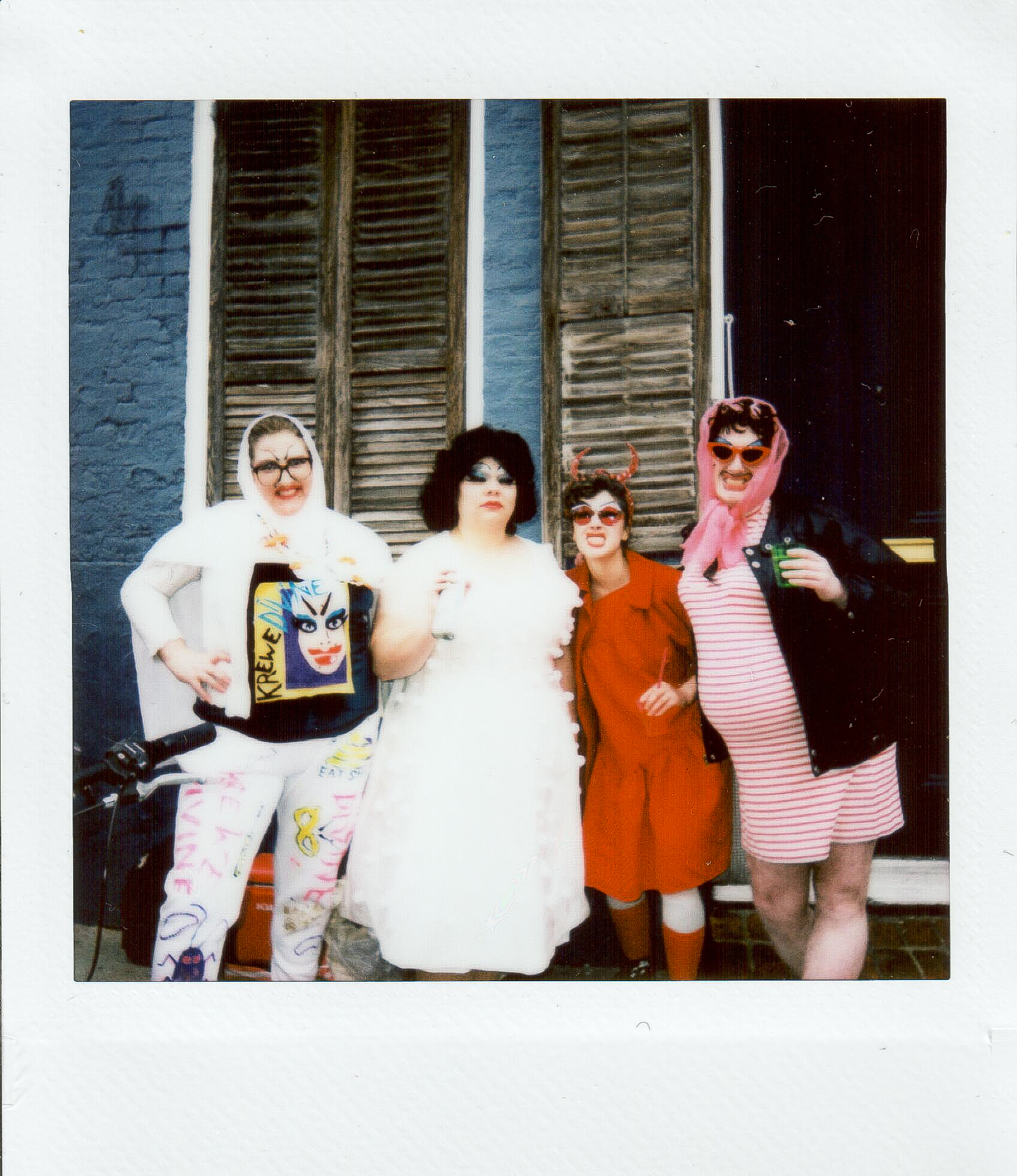
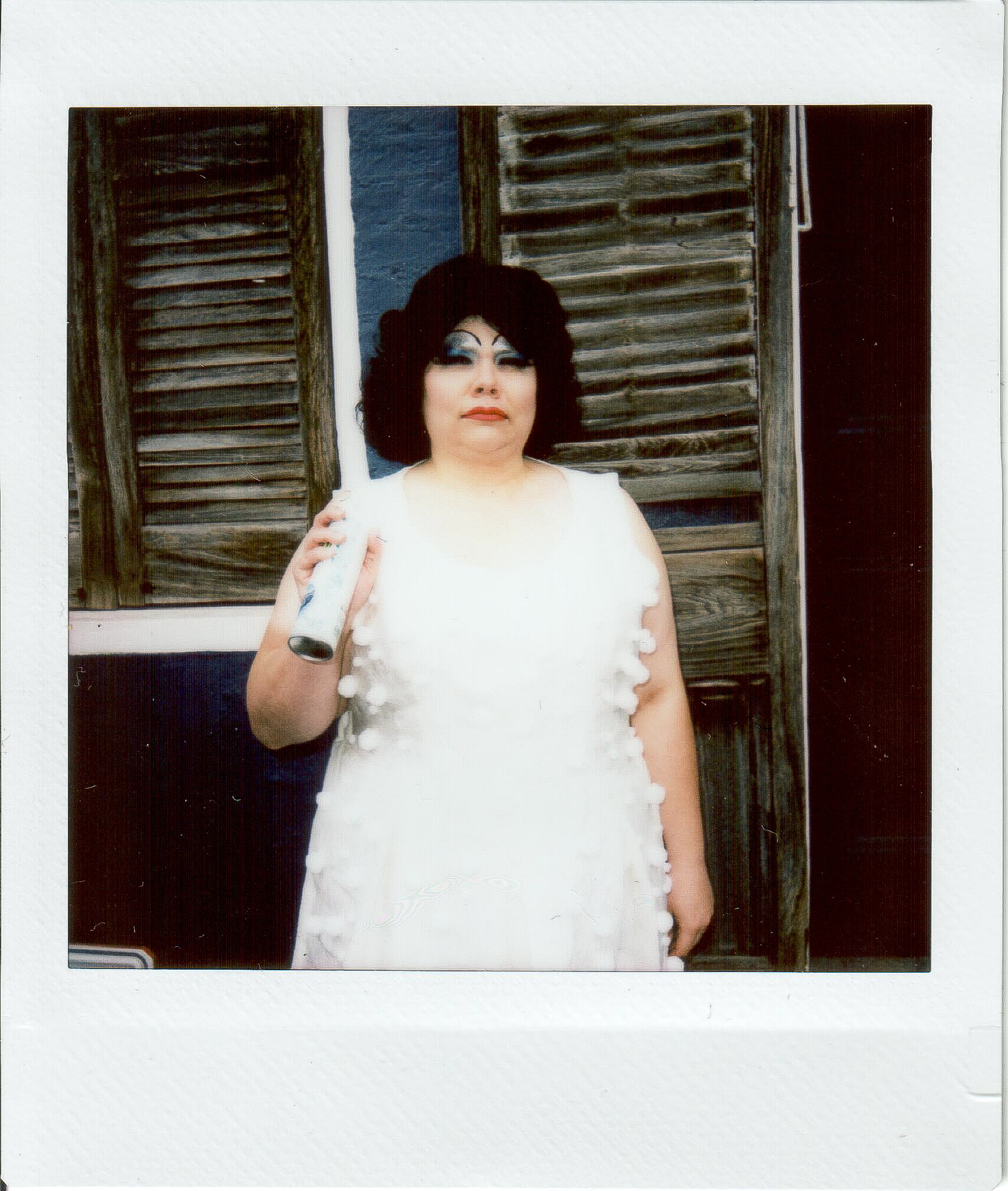
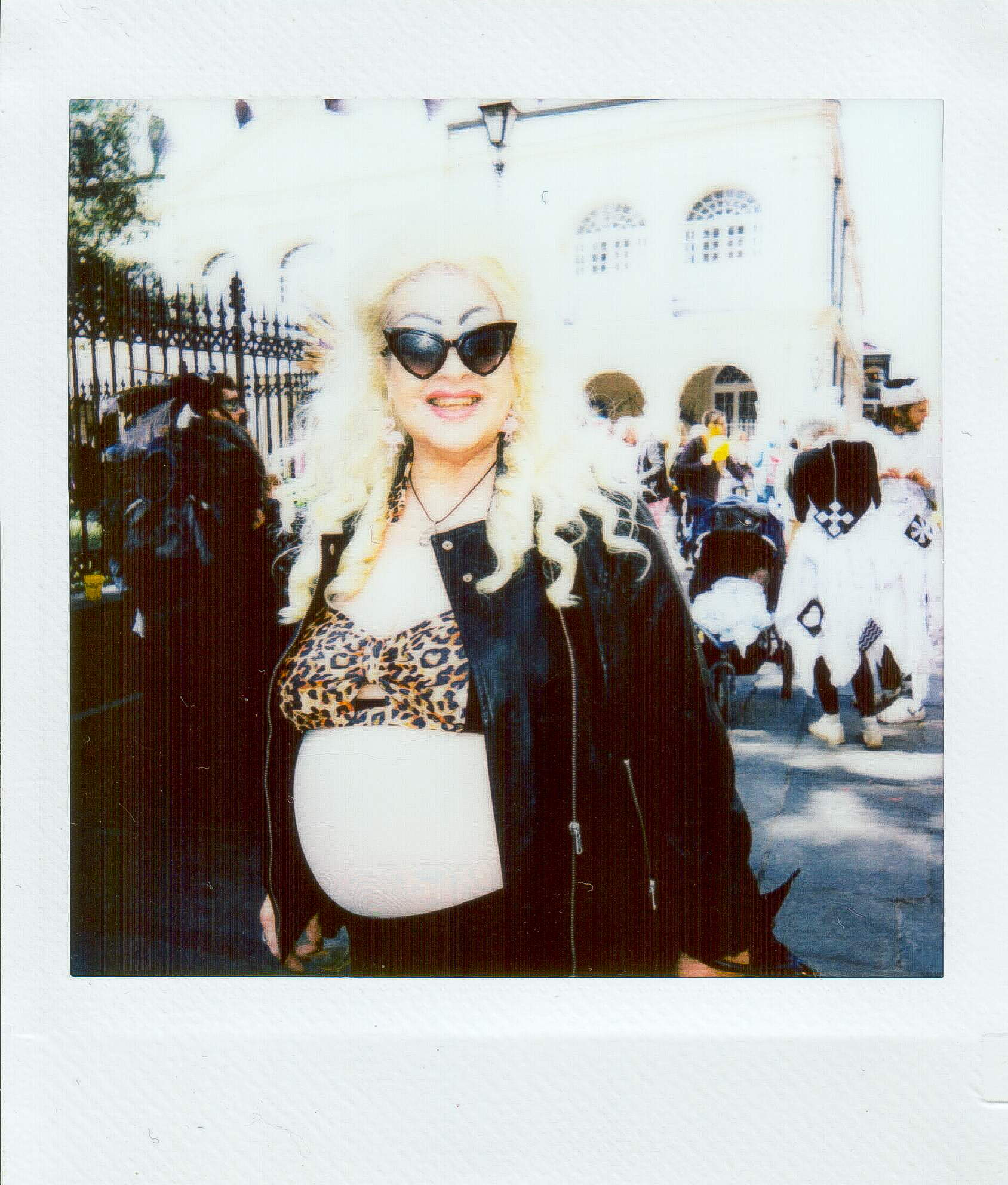
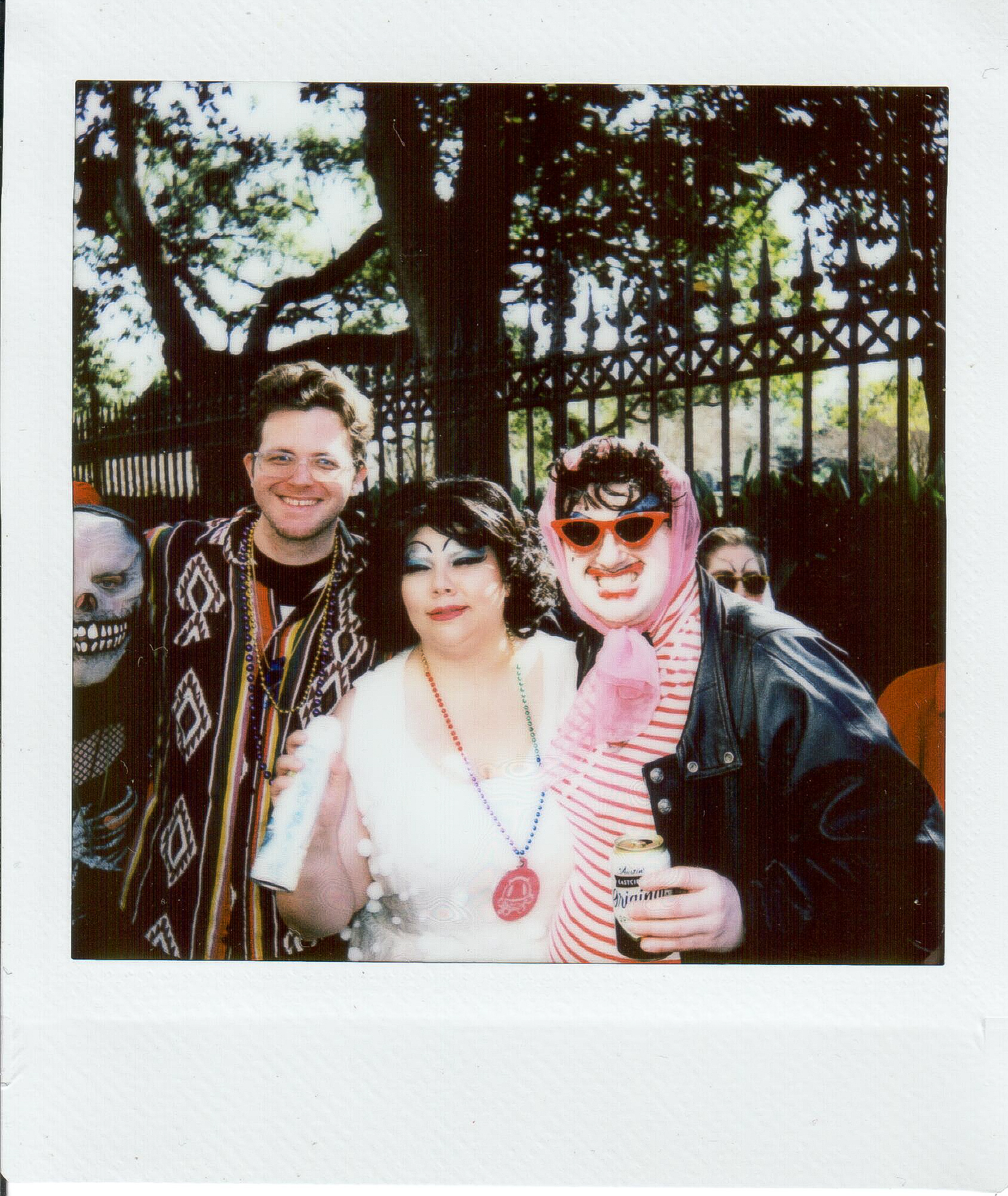
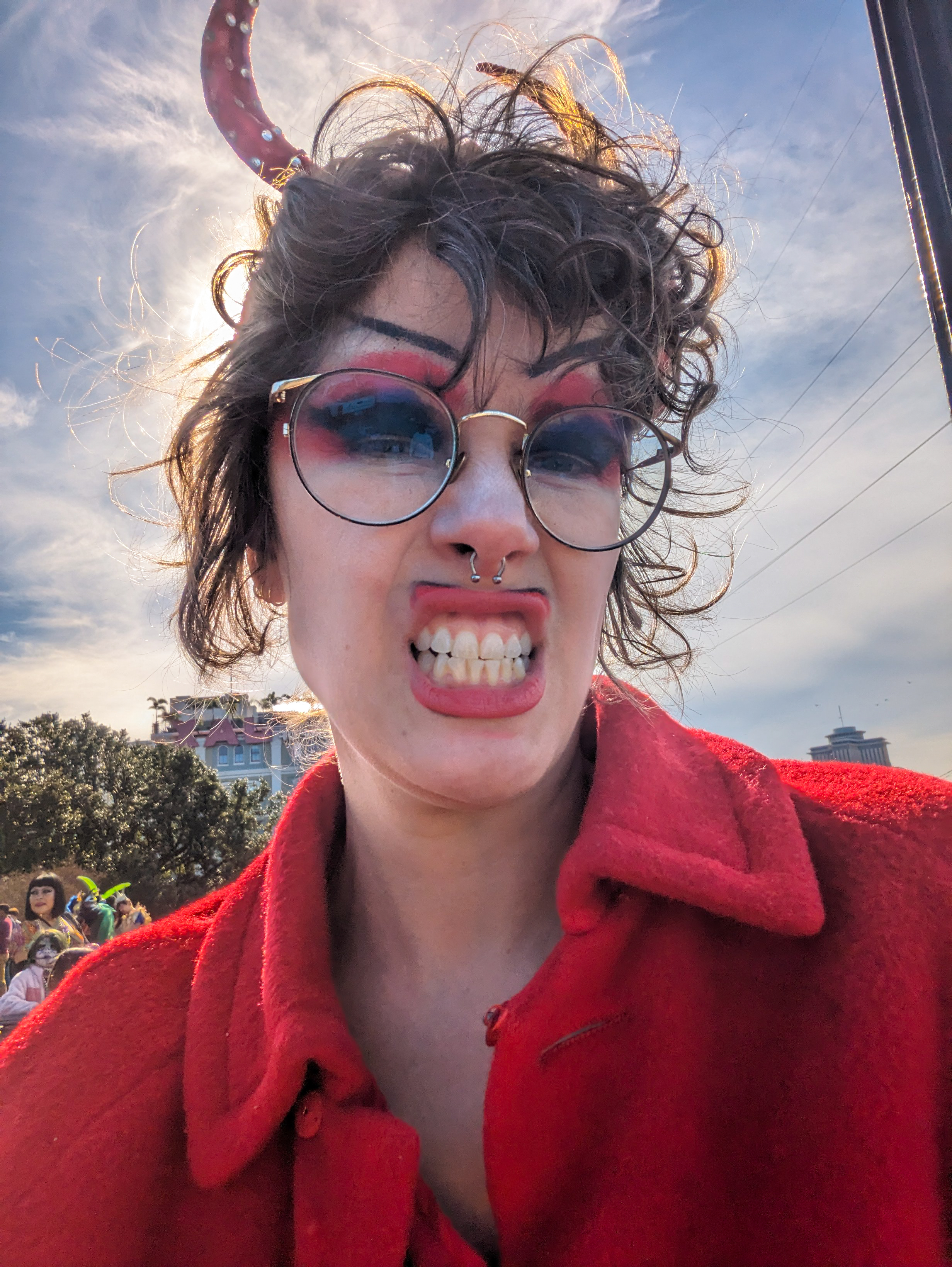
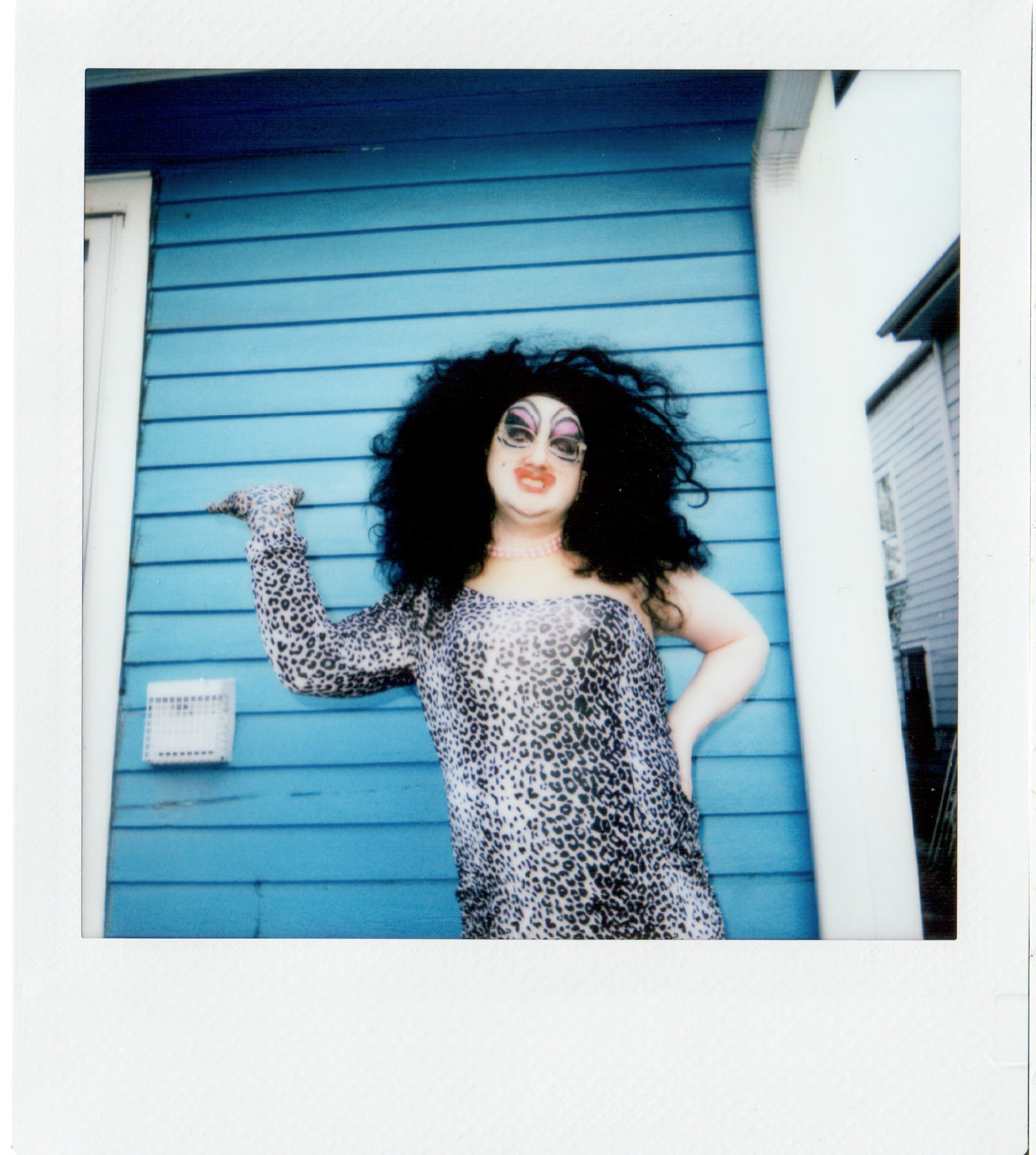
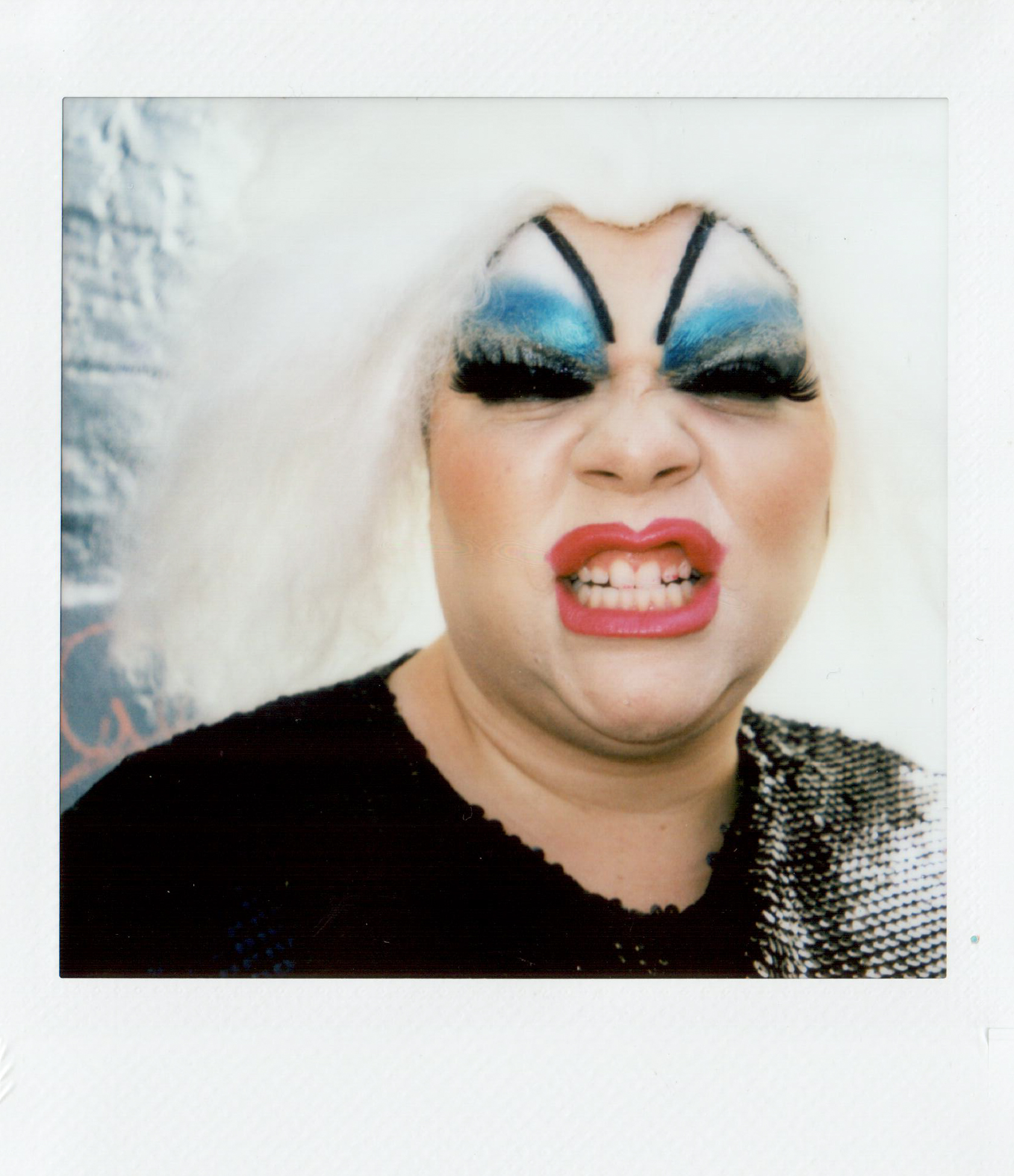
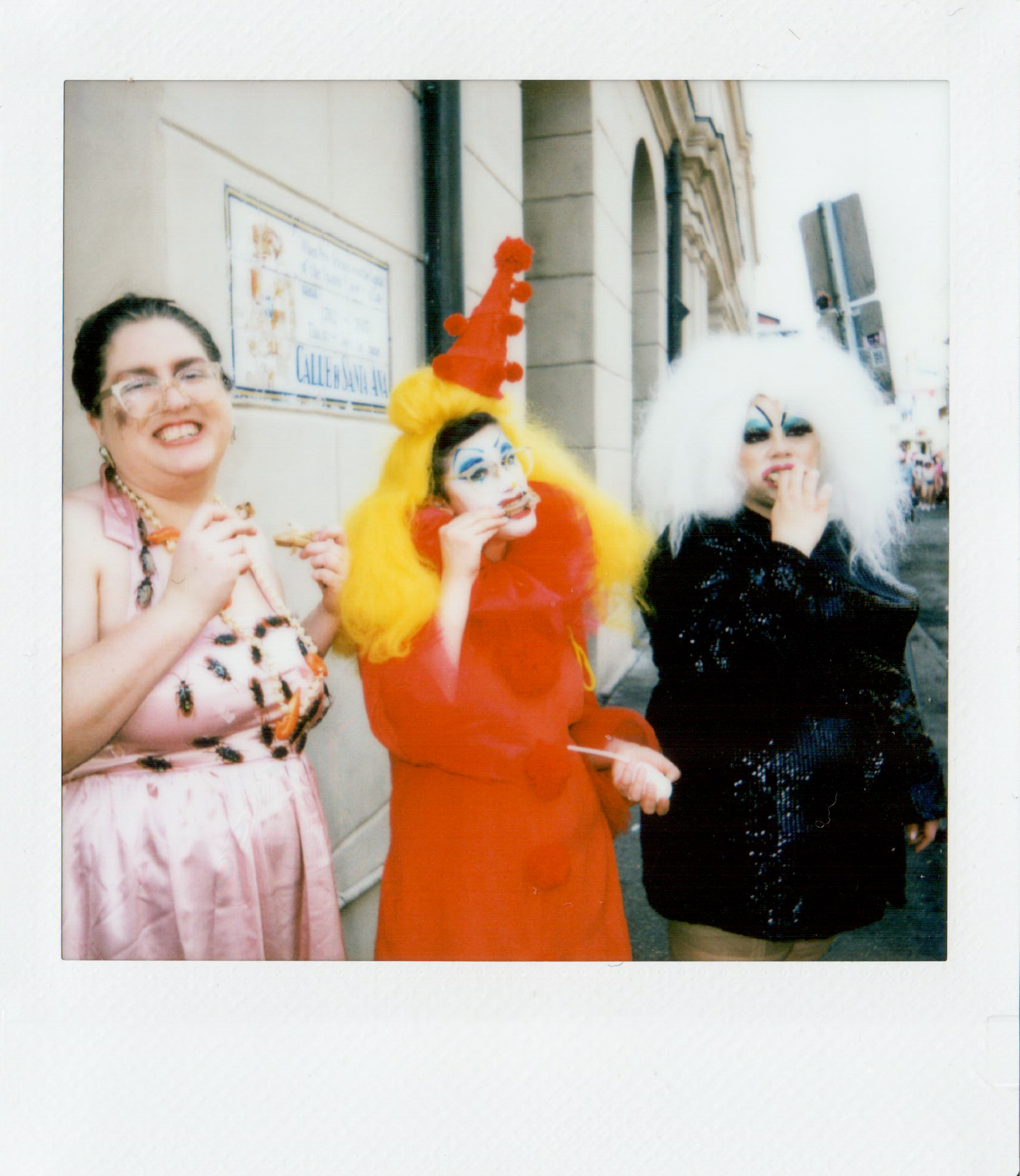
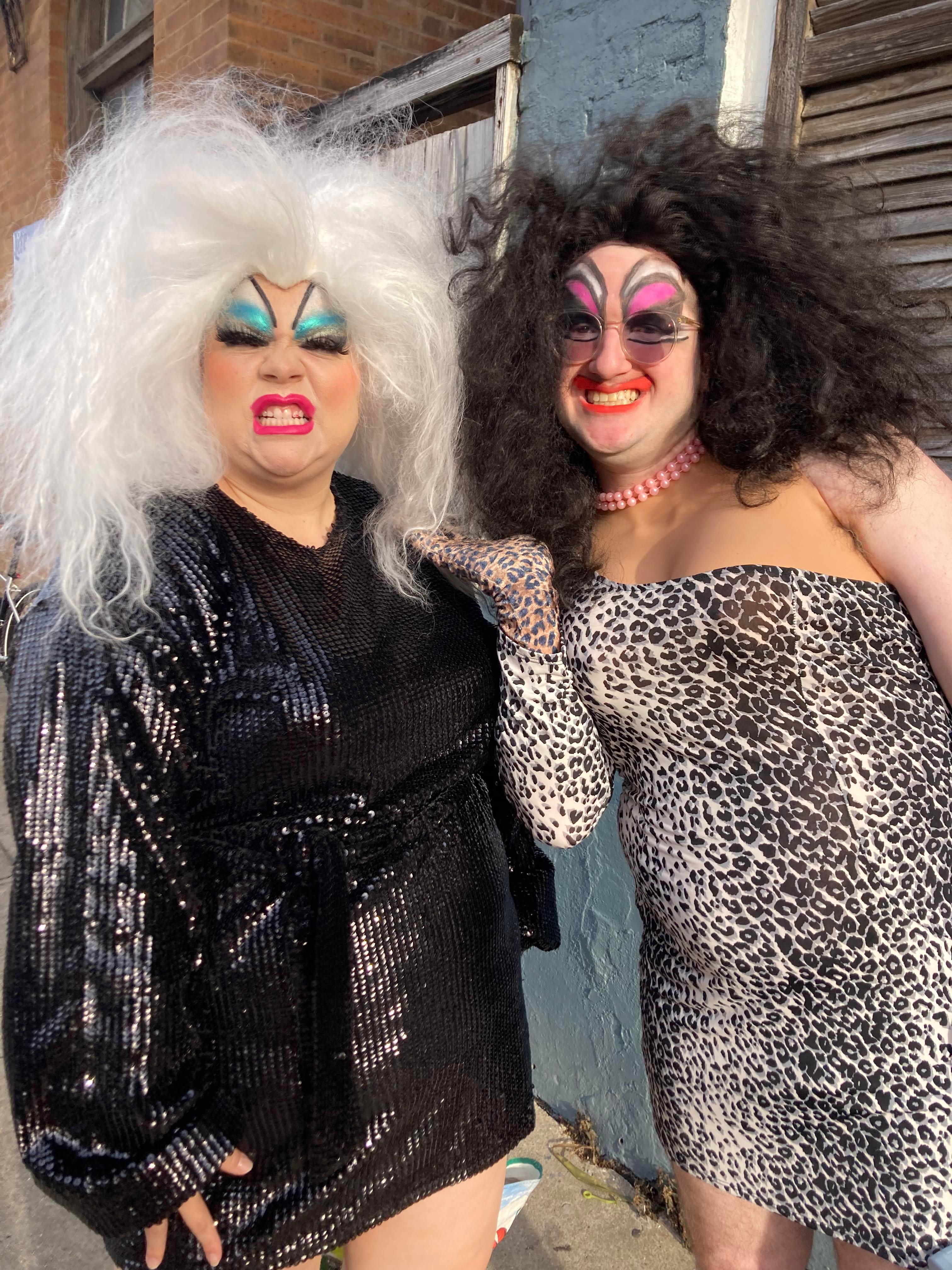
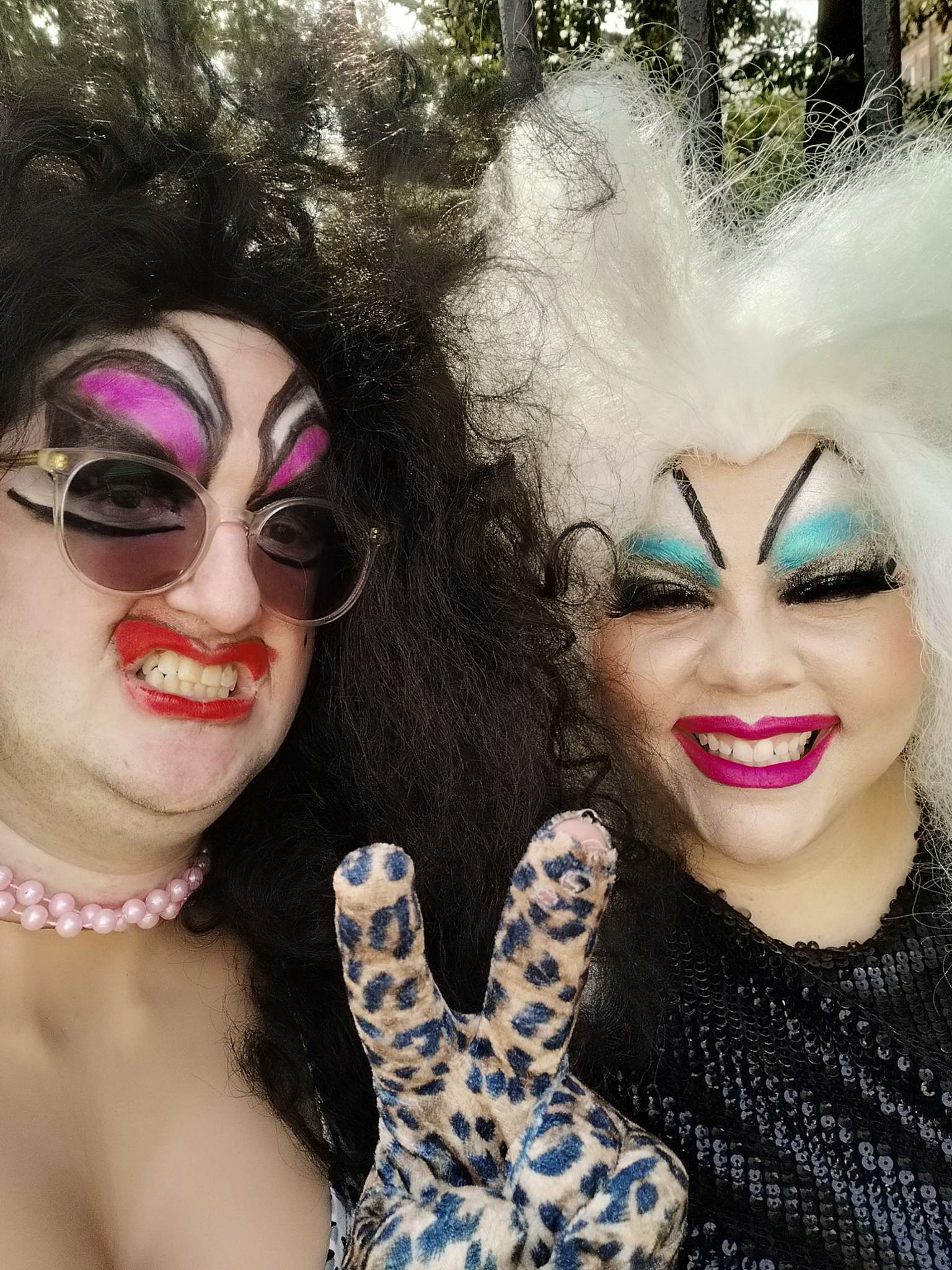
Krewe Divine 2024

For Carnival 2017, a few members of the Swampflix crew joined forces to pray at the altar of the almighty Divine. The greatest drag queen of all time, Divine was the frequent collaborator & long-time muse of our favorite filmmaker, John Waters. Her influence on the pop culture landscape extends far beyond the Pope of Trash’s Dreamlanders era, however, emanating to as far-reaching places as the San Franciscan performers The Cockettes, the punkification of disco, and Disney’s The Little Mermaid. Our intent was to honor the Queen of Filth in all her fabulously fucked-up glory by maintaining a new Mardi Gras tradition in Krewe Divine, a costuming krewe meant to masquerade in the French Quarter on every Fat Tuesday into perpetuity.

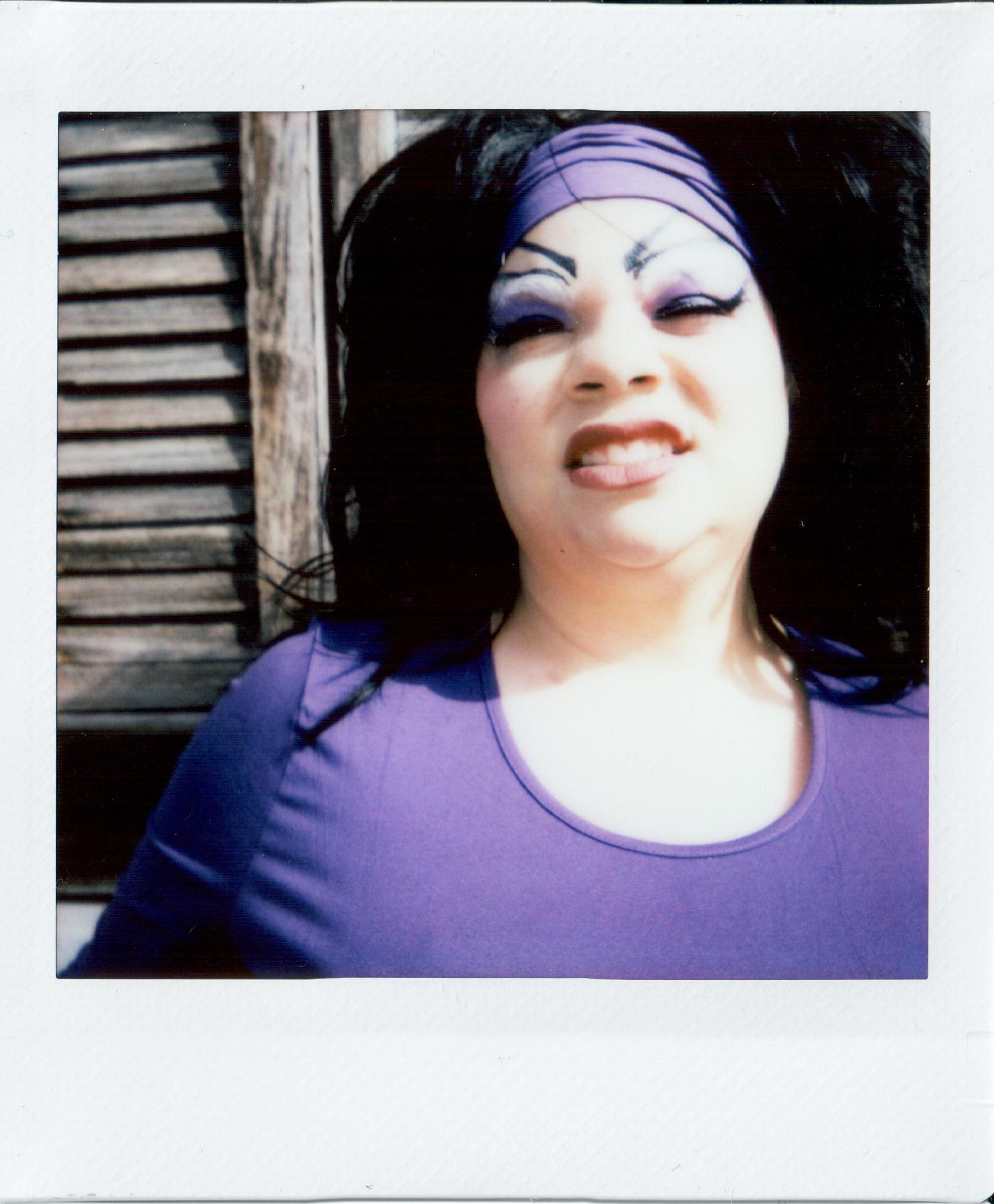
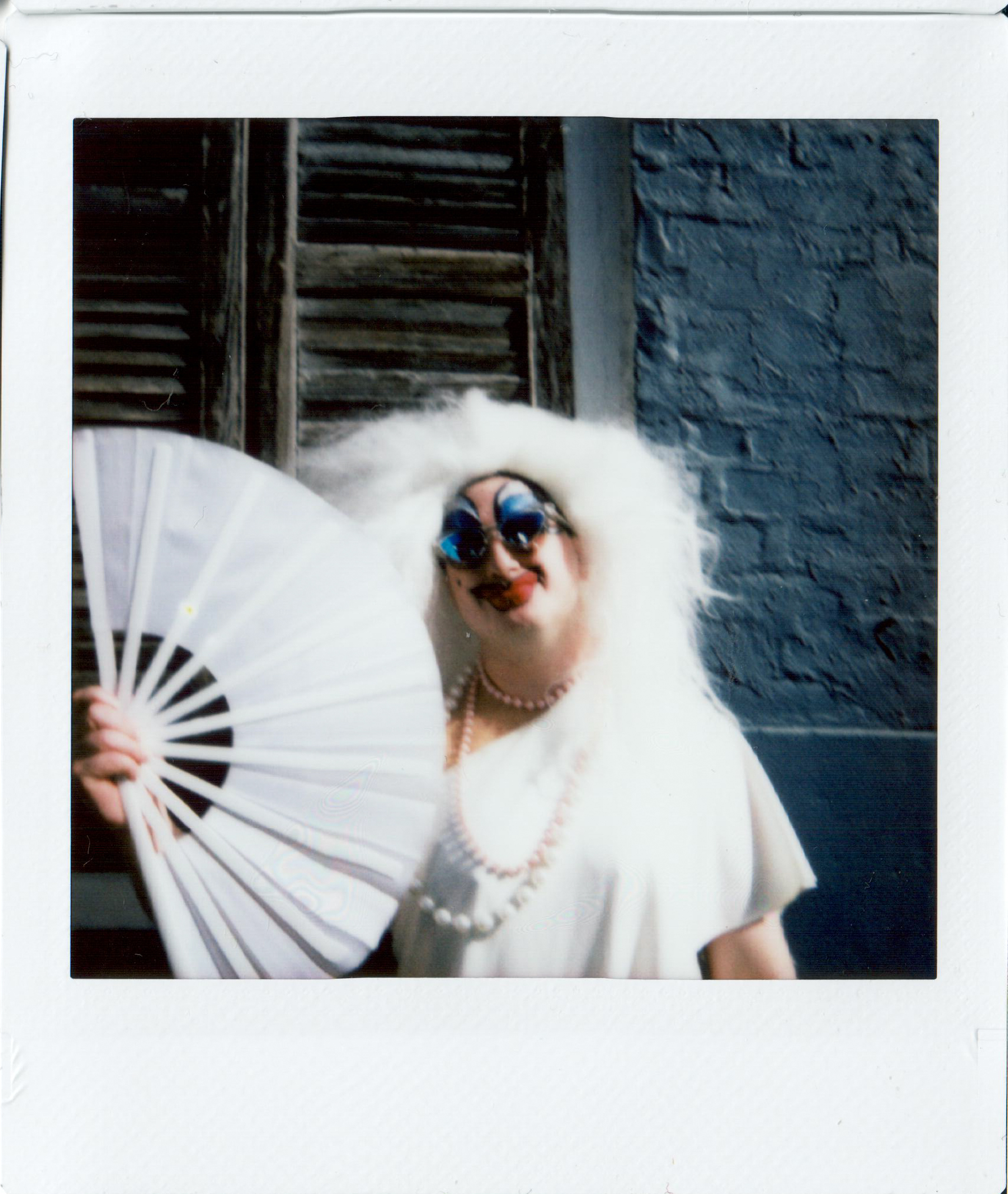
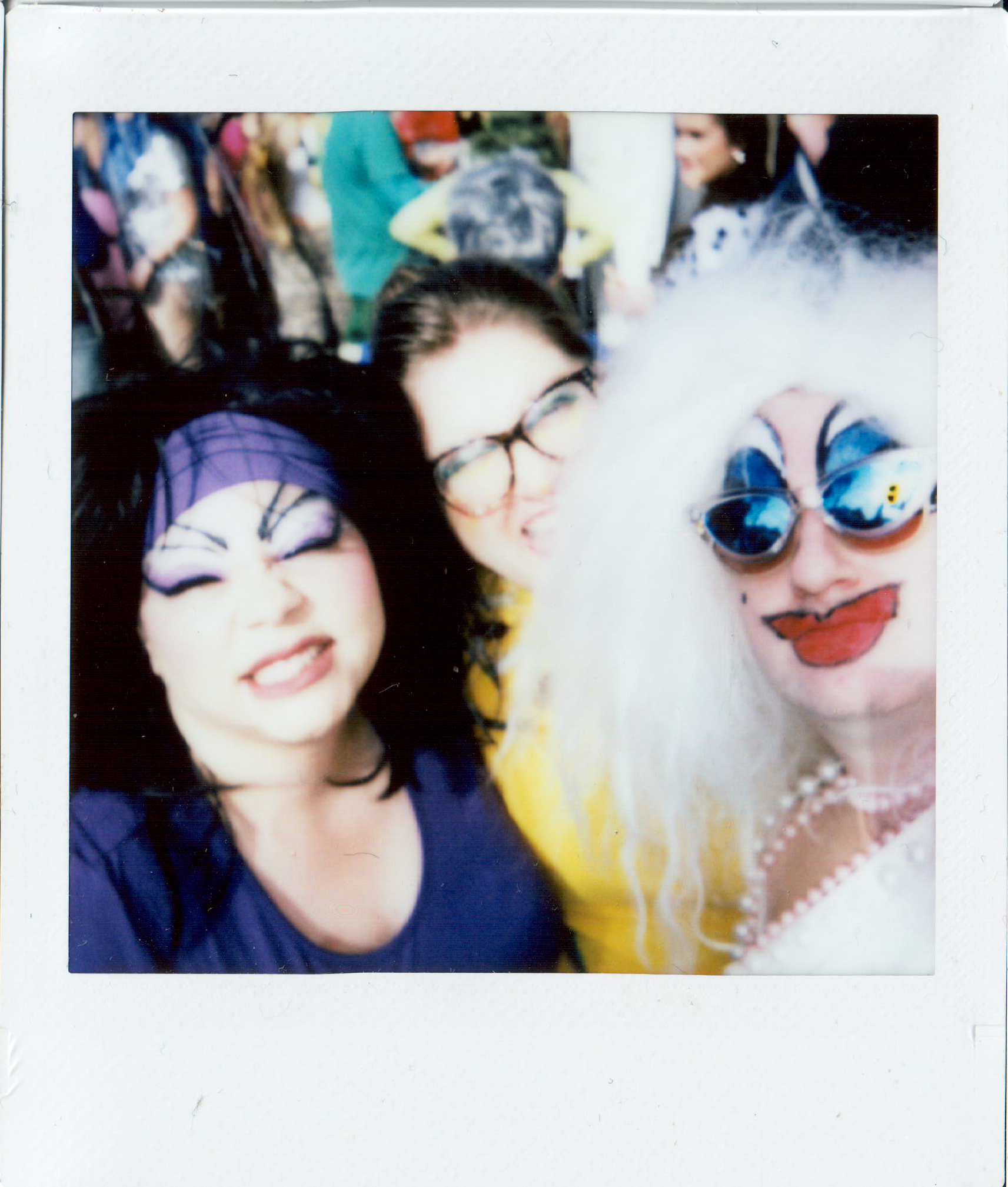
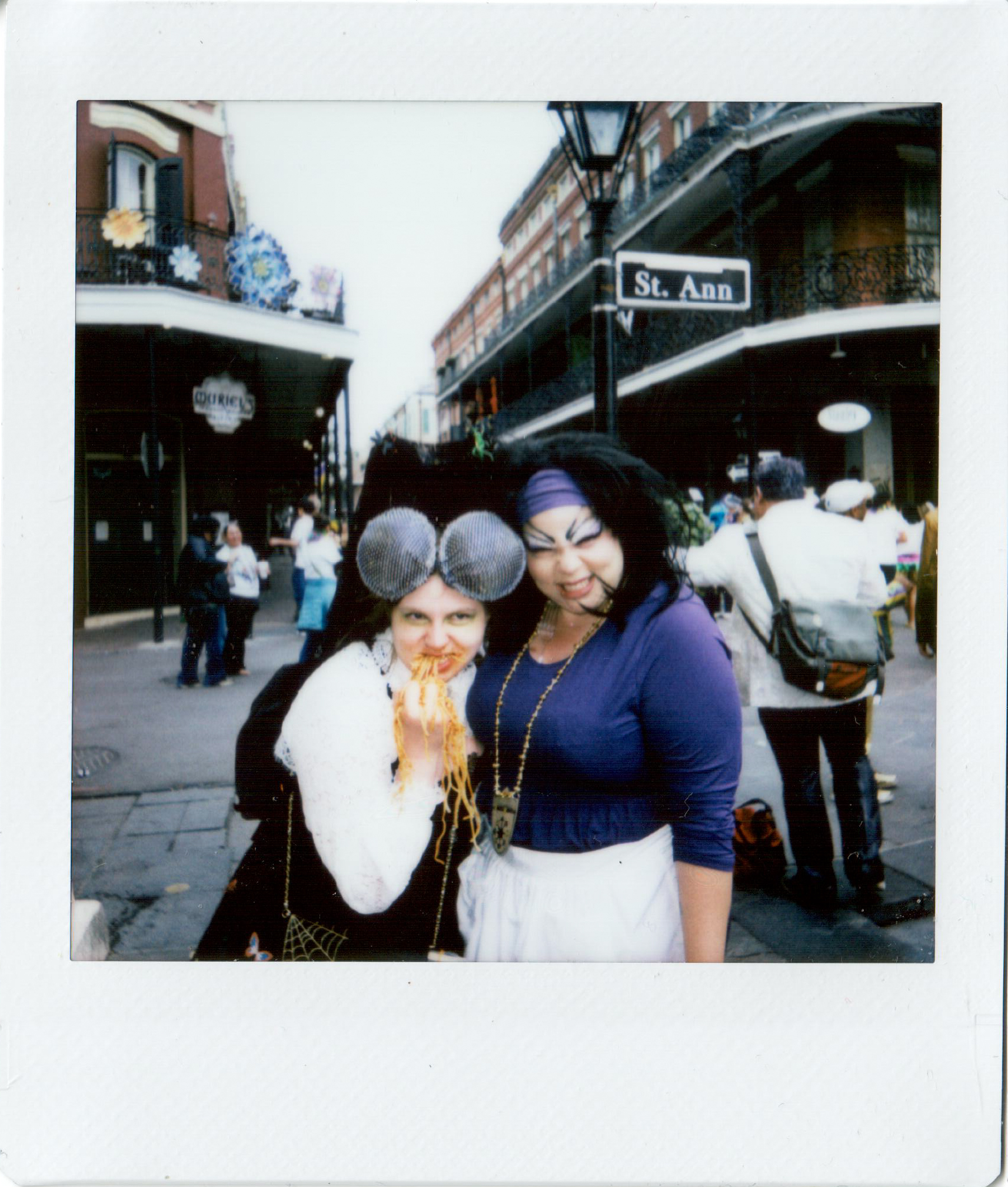
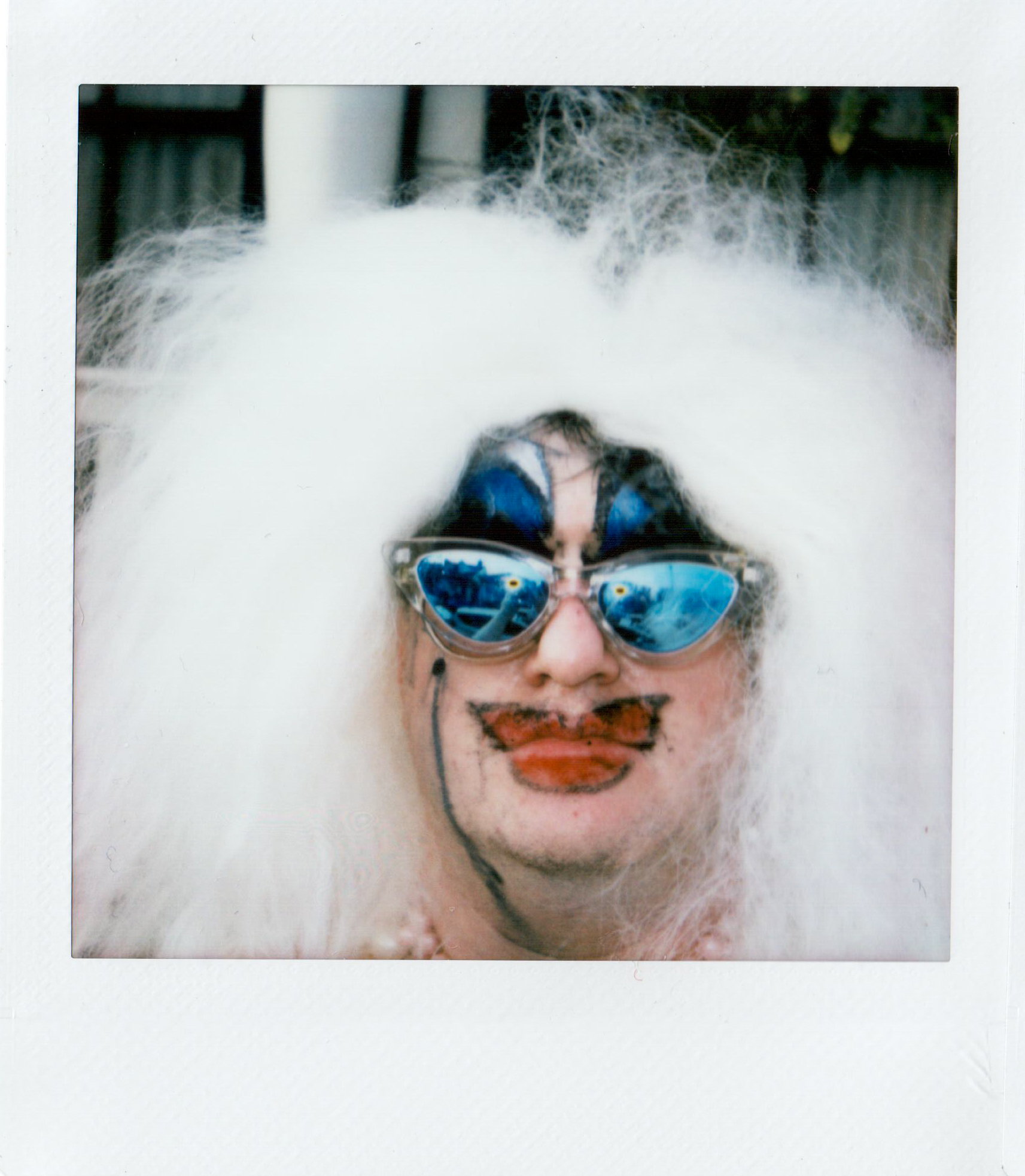
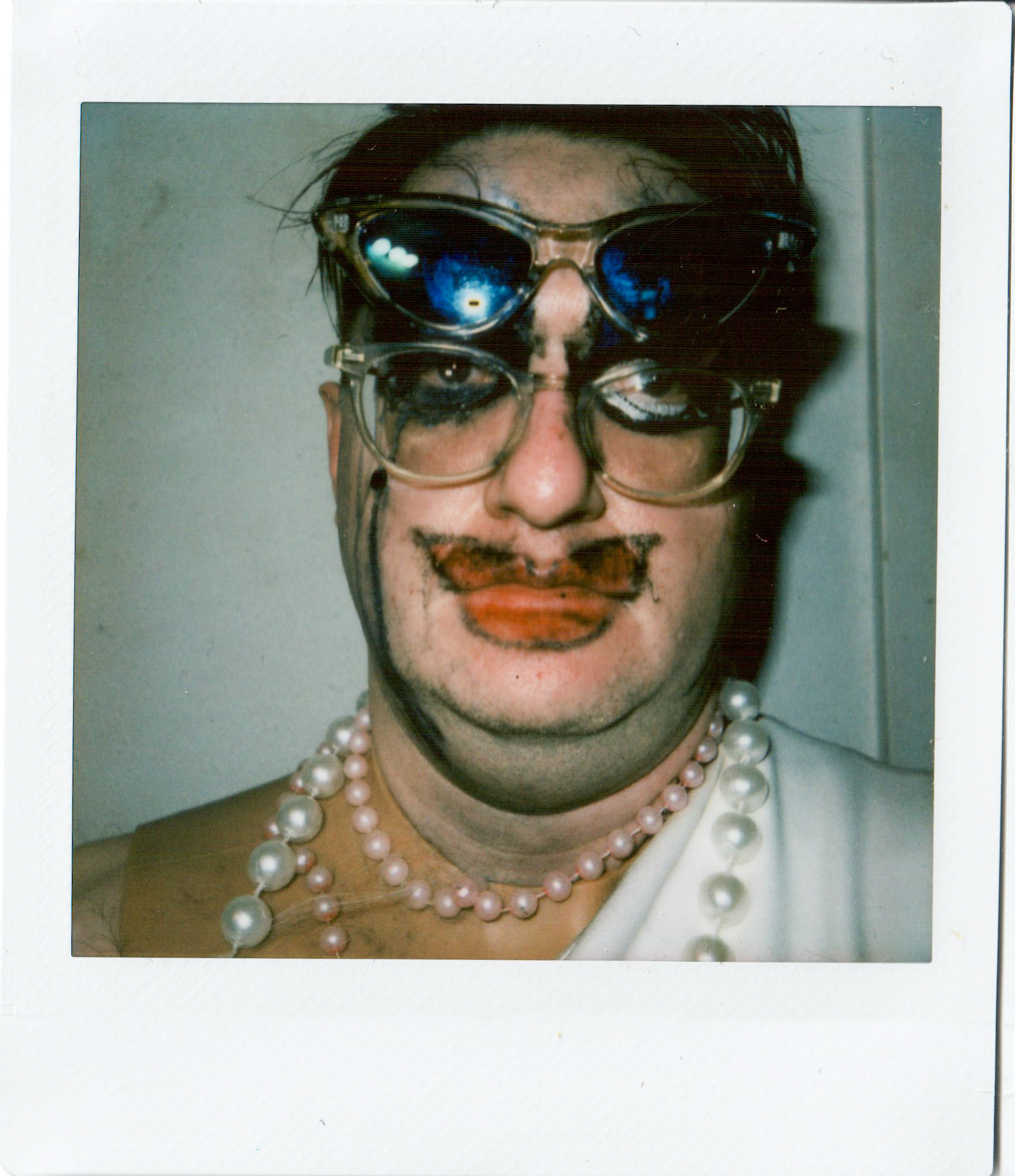
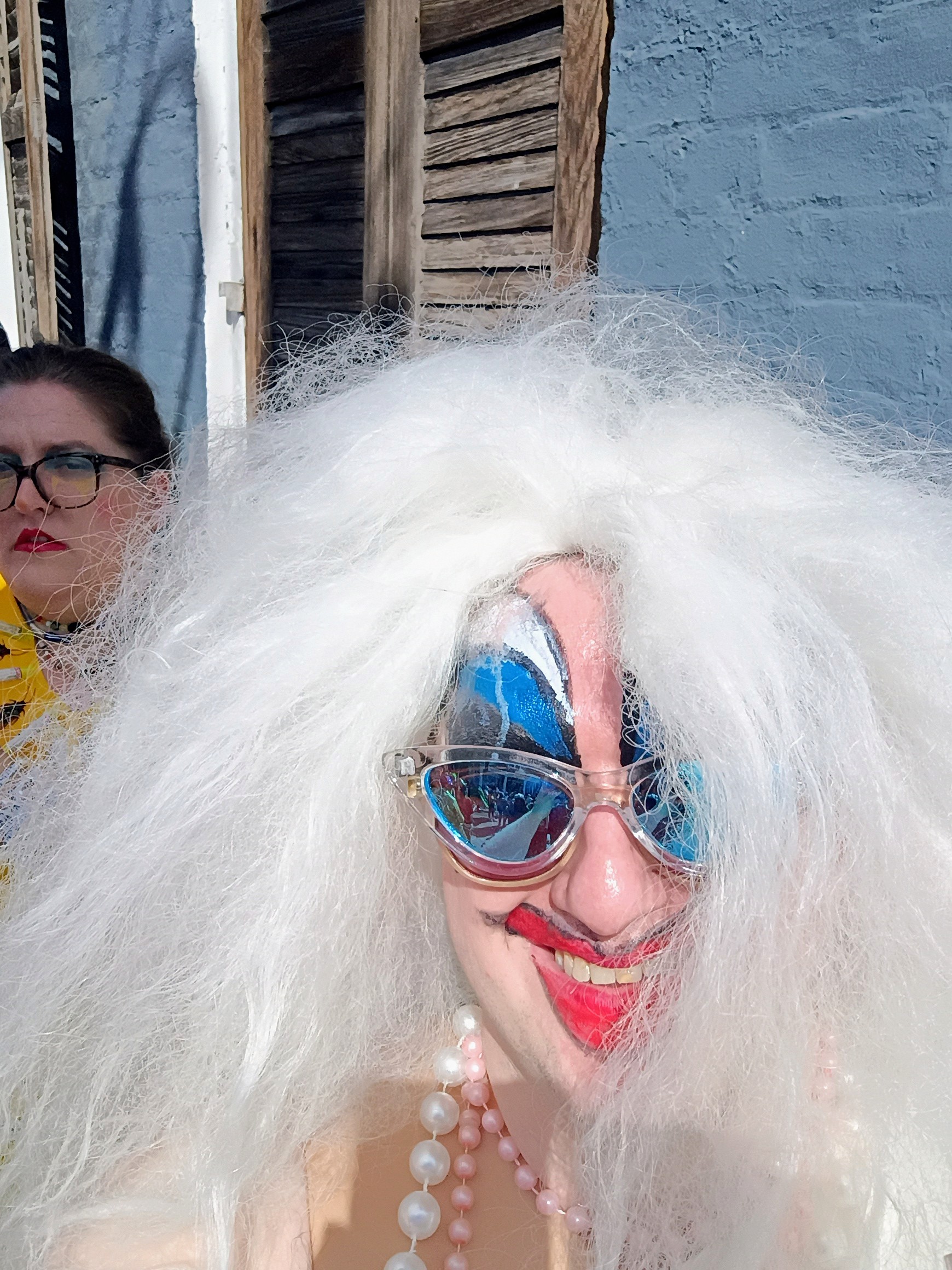
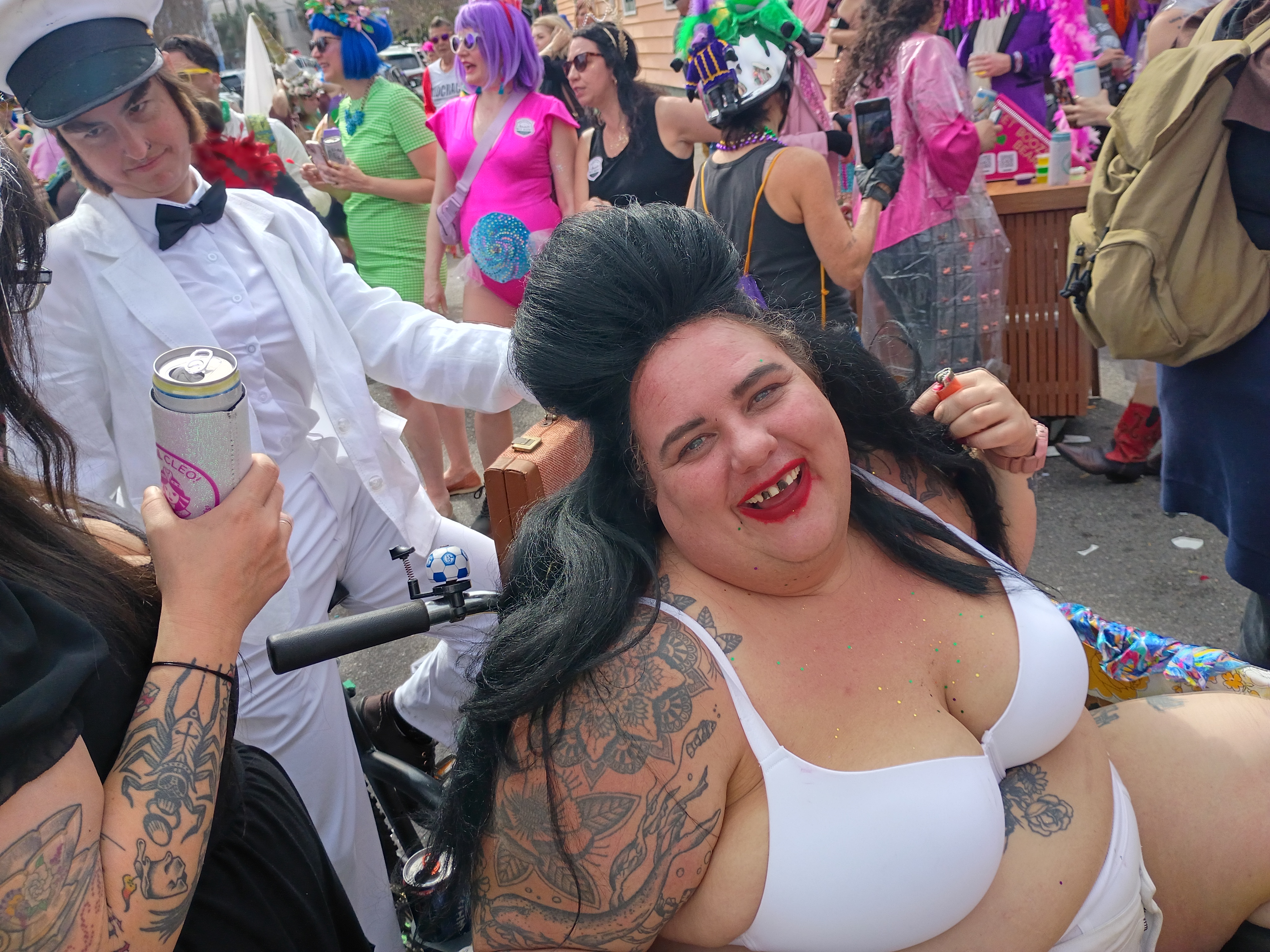
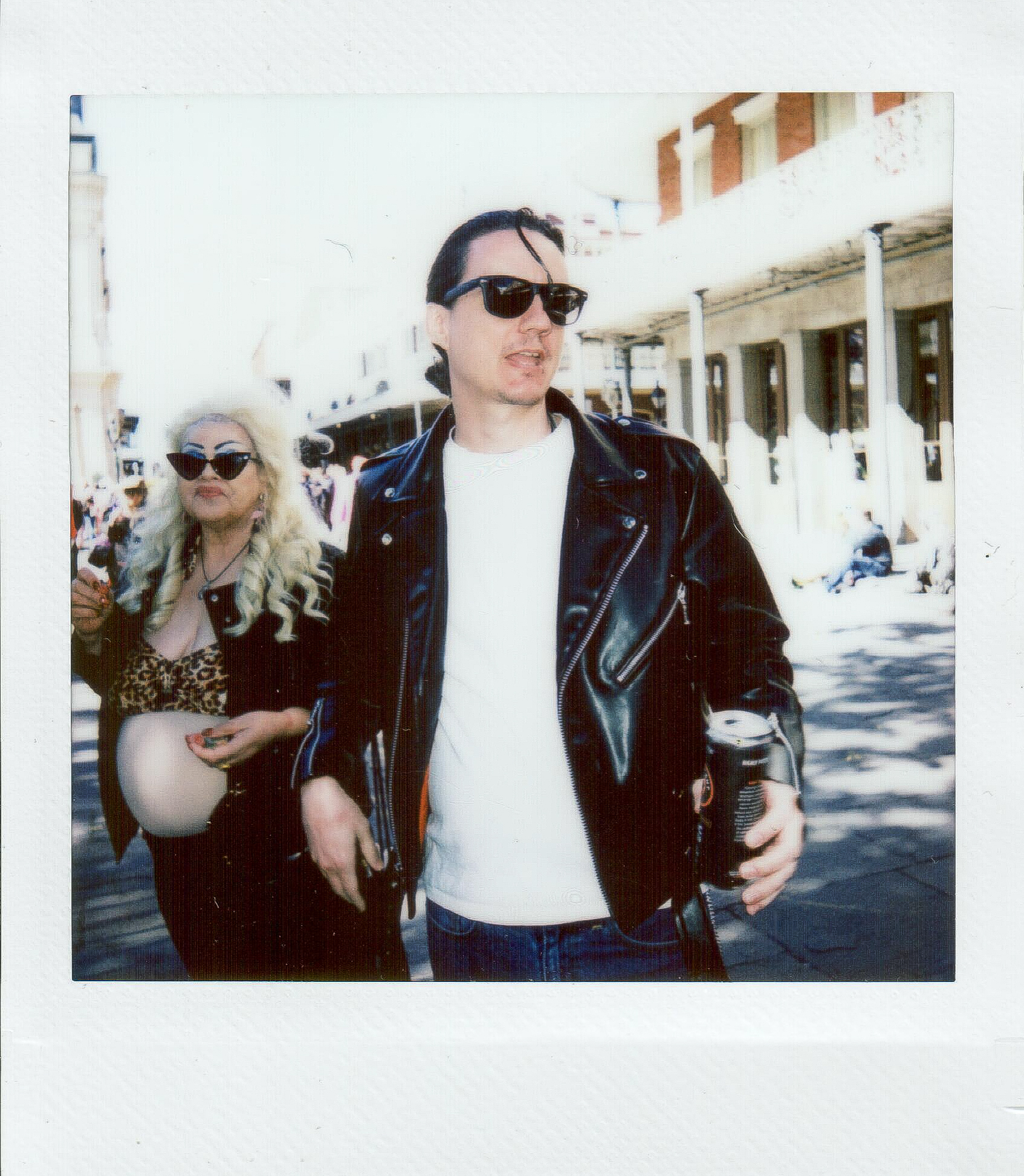
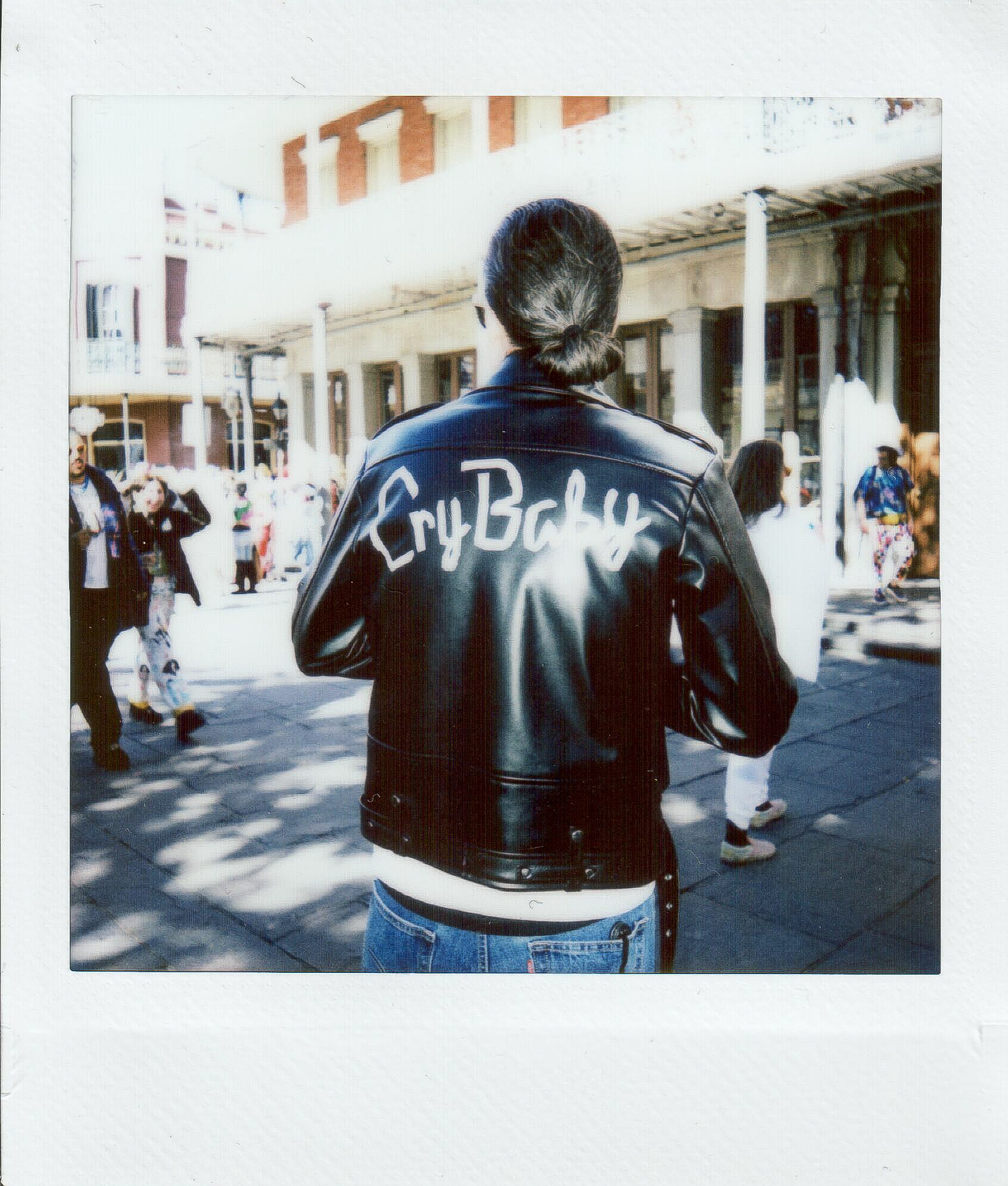
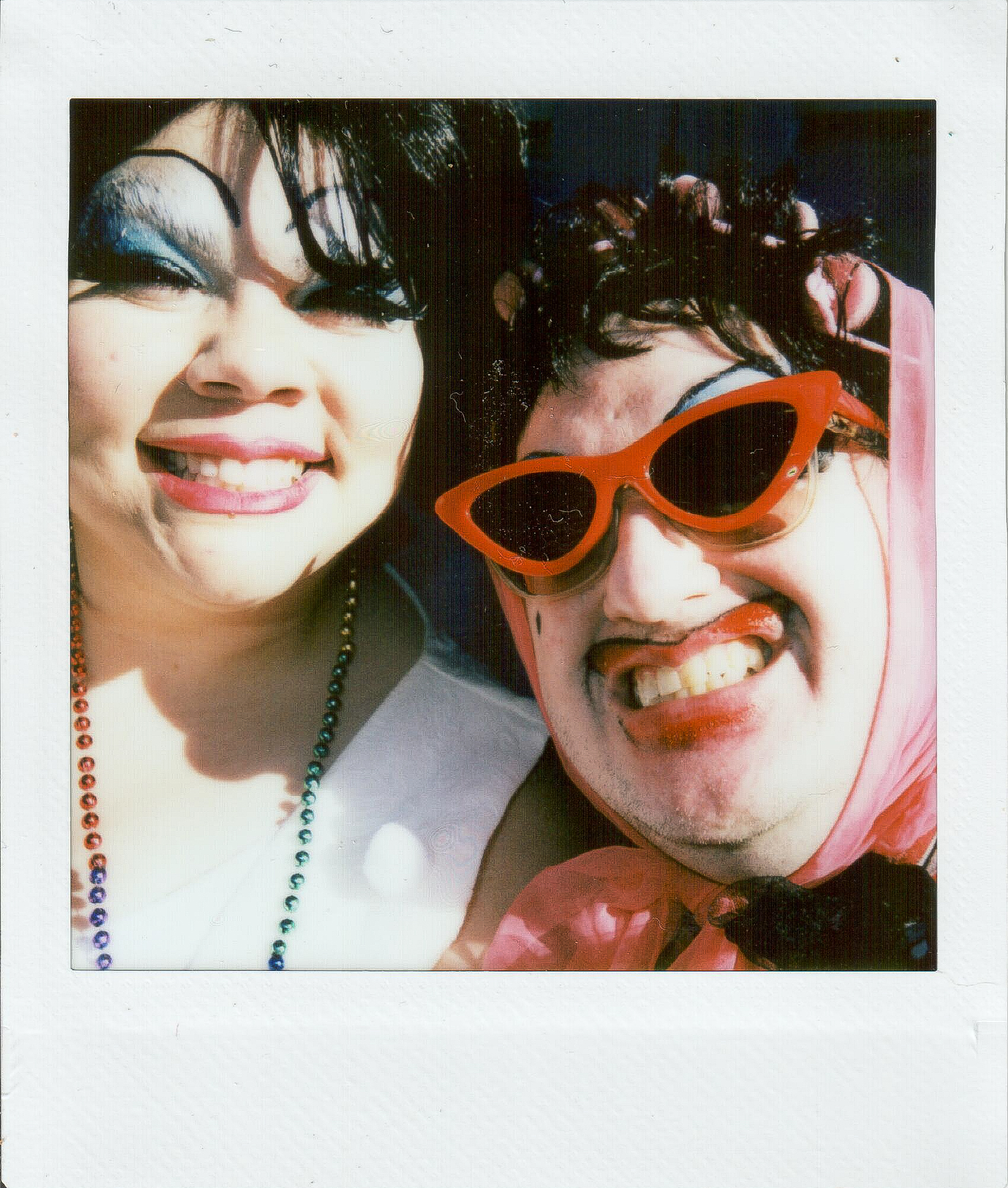
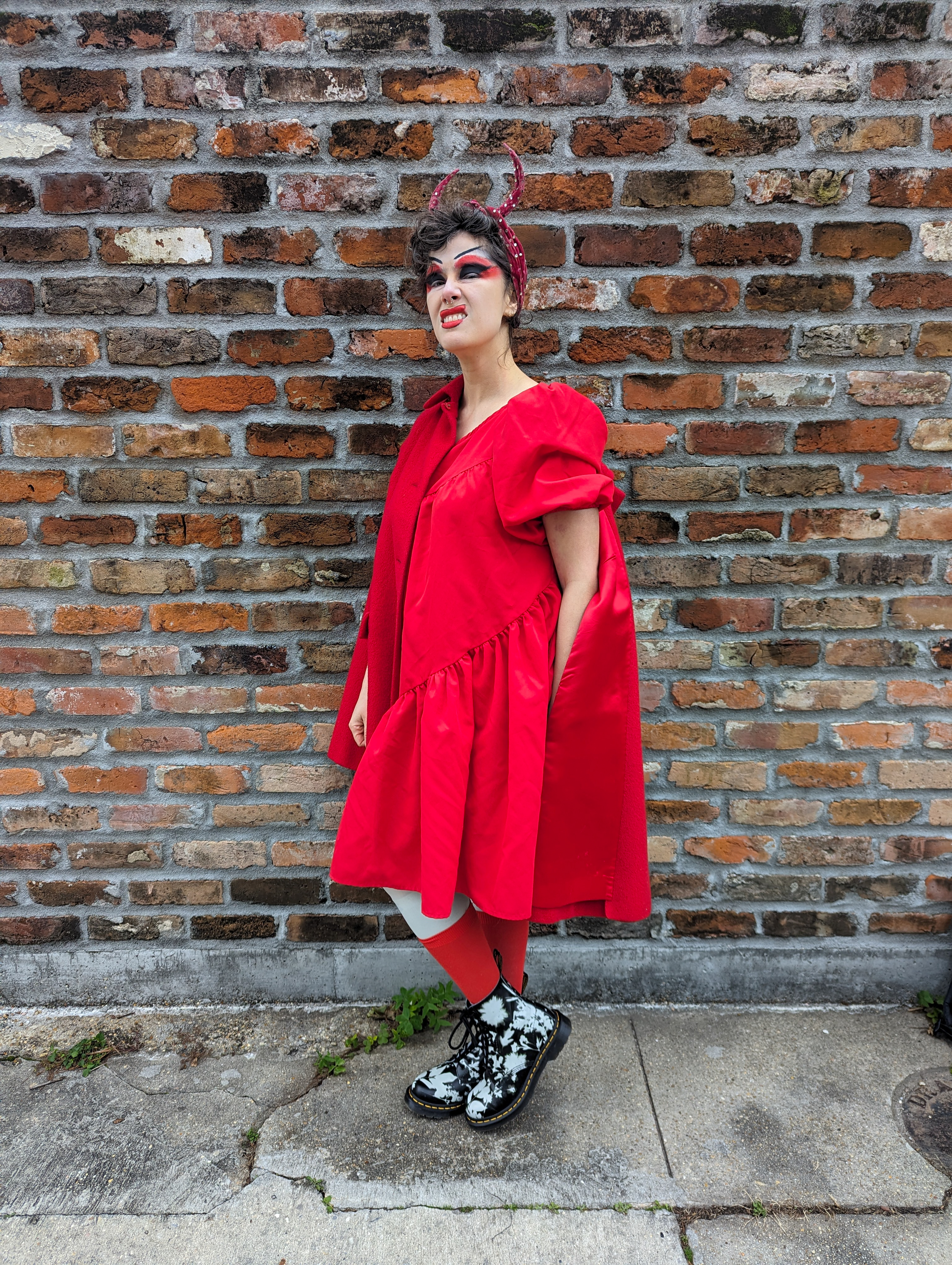
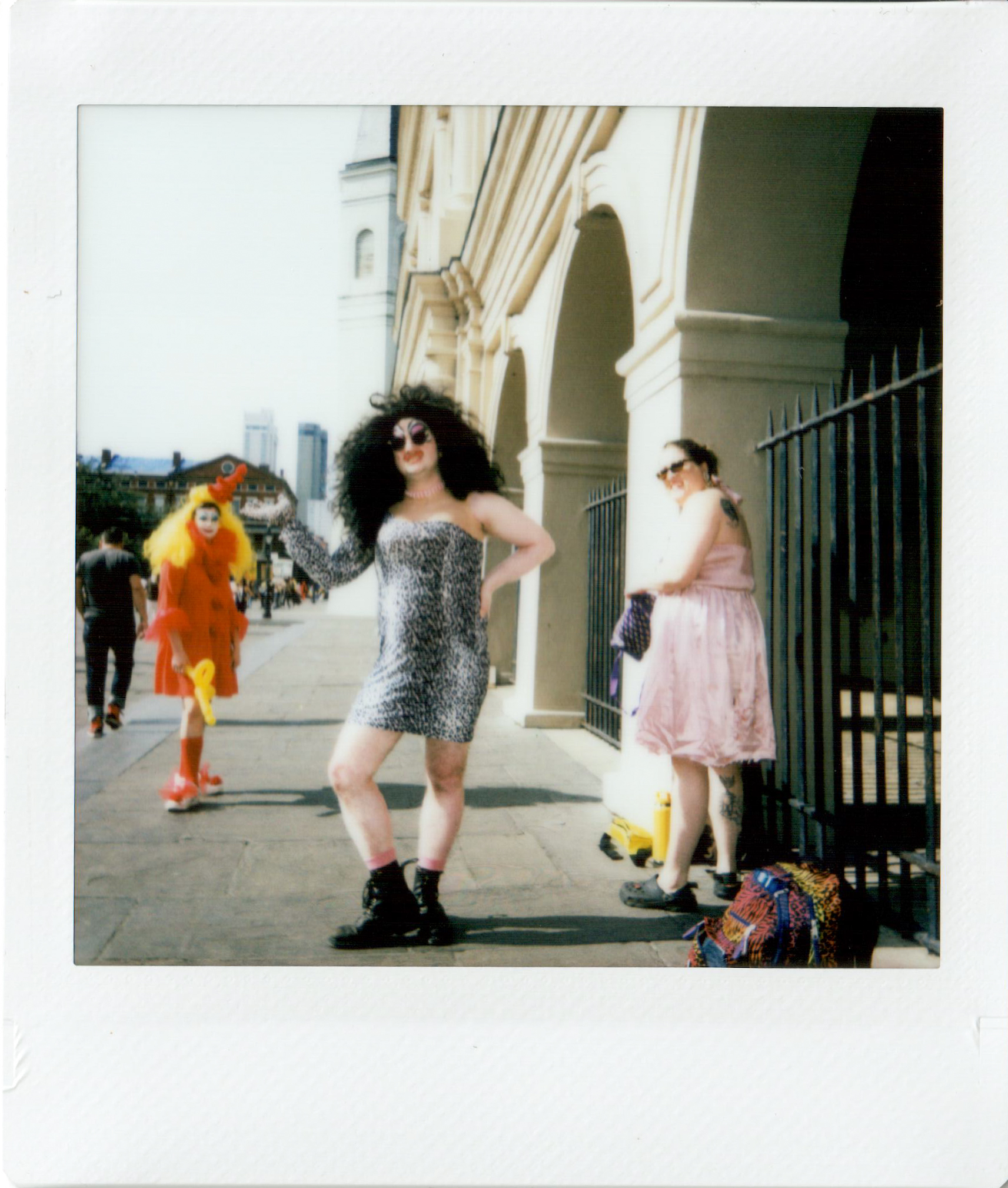
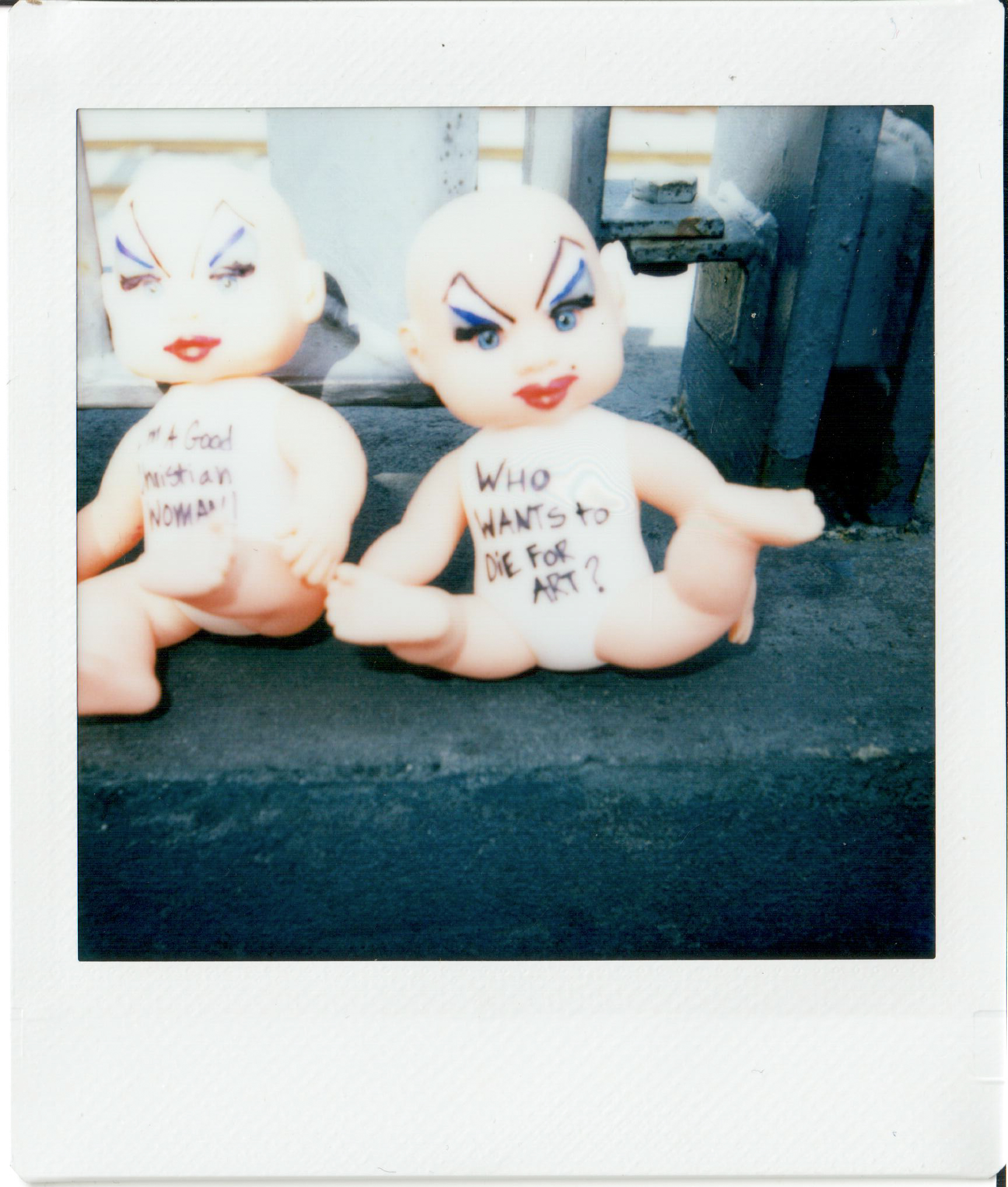
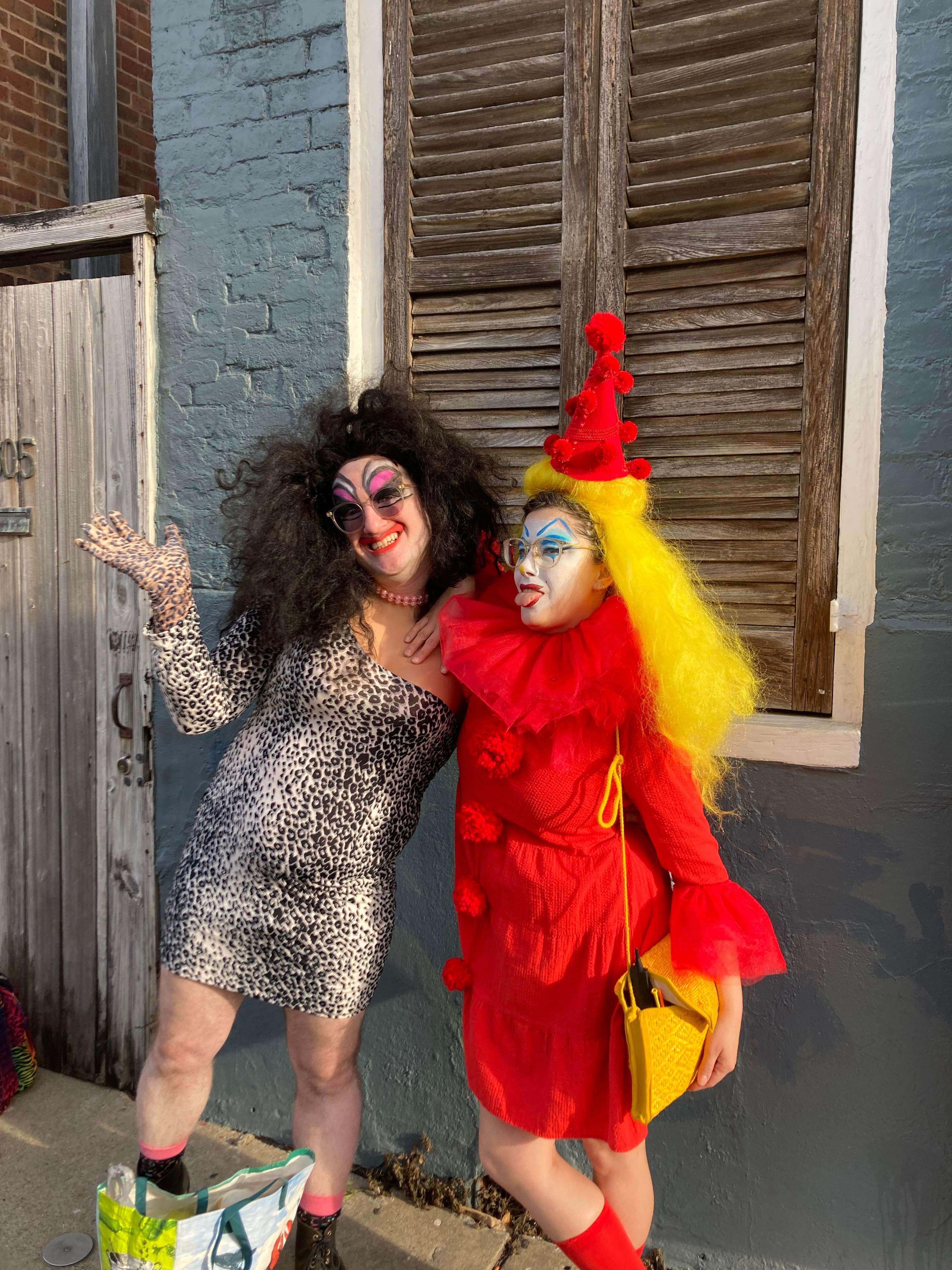
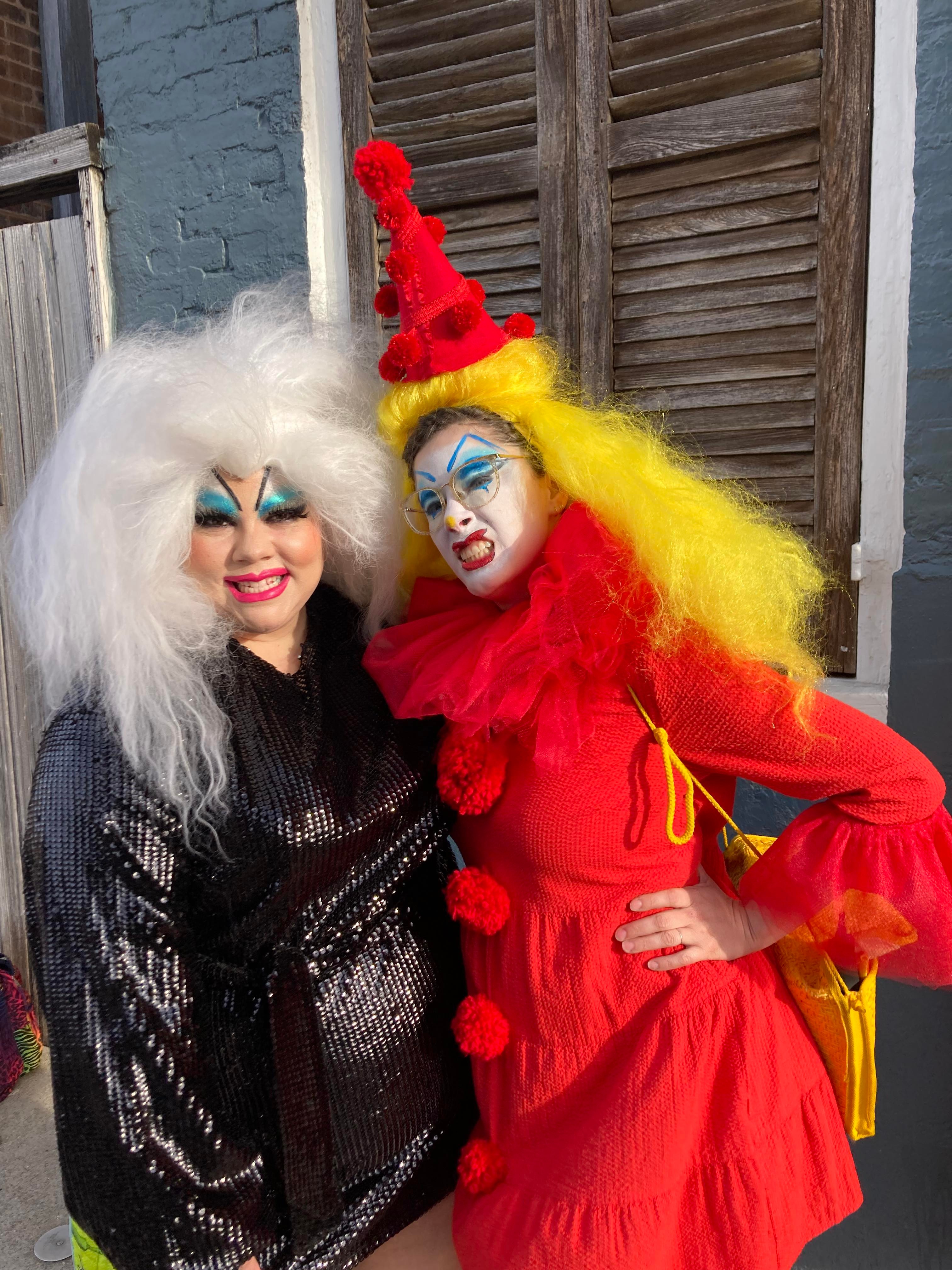
There’s no telling how Krewe Divine will expand or evolve from here as we do our best to honor the Queen of Filth in the future, but for now, enjoy some pictures from our 2024 excursion, our sixth year in operation as Swampflix’s official Mardi Gras krewe:

Eat Shit!

❤ Krewe Divine ❤

Krewe Divine 2023

For Carnival 2017, a few members of the Swampflix crew joined forces to pray at the altar of the almighty Divine. The greatest drag queen of all time, Divine was the frequent collaborator & long-time muse of our favorite filmmaker, John Waters. Her influence on the pop culture landscape extends far beyond the Pope of Trash’s Dreamlanders era, however, emanating to as far-reaching places as the San Franciscan performers The Cockettes, the punkification of disco, and Disney’s The Little Mermaid. Our intent was to honor the Queen of Filth in all her fabulously fucked-up glory by maintaining a new Mardi Gras tradition in Krewe Divine, a costuming krewe meant to masquerade in the French Quarter on every Fat Tuesday into perpetuity.

Our initial krewe was a small group of Swampflix contributors: site co-founders Brandon Ledet & Britnee Lombas, regular contributor CC Chapman, and repeat podcast guest Virginia Ruth. We were later joined by local drag performer Ce Ce V DeMenthe, who frequently pays tribute to Divine in her performances. There’s no telling how Krewe Divine will expand or evolve from here as we do our best to honor the Queen of Filth in the future, but for now, enjoy some pictures from our 2023 excursion, our fifth year in operation as Swampflix’s official Mardi Gras krewe (and our first year returning after the COVID-19 outbreak of 2020):

Eat Shit!

❤ Krewe Divine ❤

Mardi Gras Massacre (1978)

Mardi Gras in New Orleans is many things: cheesy, transcendent, sleazy, cheap, goofy, sinister, magical, communally handmade. Even if it’s spiritually corrupt and technically inept in its filmmaking, the cheap-o horror curio Mardi Gras Massacre is all those things as well. Yes, Mardi Grass Massacre is locally-flavored misogynist trash about a ritualistic serial murderer who targets French Quarter sex workers. It’s also the kinky, near-pornographic New Orleans equivalent of Manos: The Hands of Fate, in that it’s wonderfully, quirkily inept to the point of being Cute despite the repulsive cruelty of its genre. Better yet, all the qualities that make it memorable as a horror novelty are the exact same qualities that make our city-wide masquerade on Fat Tuesday such an extraordinary communal experience year after year, century after century. Unfortunately, 2021’s Carnival season has been completely upended by the ongoing COVID-19 pandemic, leaving a parade float-shaped hole in my heart. I don’t know if it’s just because of my desperate need to experience some semblance of that ritual through the safest means possible, but I was shocked to find some genuine Mardi Gras magic in such a lowly, putrid gutter. It felt great.

The poster for Mardi Gras Massacre sells the movie as if it were a giallo murder mystery, complete with a straight razor weapon that never appears in the actual film. In practice, it’s not a mystery at all. The killer’s identity is immediately apparent, as he plainly introduces himself to a pair of prostitutes at a Bourbon Street drinking hole, asking around for “the most Evil woman” they know. Once he secures a transactional “date” with the most Evil sex worker in the bar, he brings them back to his French Quarter torture dungeon, where he ritualistically removes their organs as a sacrifice to an Aztecan goddess. So much about this murder ritual is viciously amoral & tacky, which does not at all improve the two or three times it’s repeated beat for beat with subsequent victims. From the presentation of Aztecan religious practices as Anton LaVey-styled Satanic pageantry to the eroticized dismemberment of women as if it were a mere S&M kink, Mardi Gras Massacre is repugnant in its social politics – as most 1970s grindhouse horrors are. And, yet, as scope of the film expands outside those bloody dungeon sessions, the movie gradually becomes uniquely adorable in pure N’awlins fashion. Its distinctly 1970s misogyny is entirely overpowered by its distinctly local flavor.

The heroes of this story are a crooked cop and a French Quarter prostitute who form an unlikely love connection, turning the first ritualistic murder into a morbid meet-cute. The cheery pair play tourist on cutesy dates up & down the Riverwalk, inanely grinning at each other as the Natchez rolls by in the background. Before you can get incensed at the cops for being positioned as The Good Guys, however, this romantic fling eventually breaks down as the sex worker starts to resent her pig boyfriend’s sense of superiority over her. She calls him out for being a thief & a predator, and they split up to face the killer by their lonesome. The initial performative misogyny of the murder scenes gradually breaks down in a similar way. As we spend more time away from the dungeon rituals, the movie appears to have a much less Conservative viewpoint on women & sexuality than it initially pretends. The sex worker victims are more fleshed out & humanized than the evil caricature who hunts them down. Gender-ambiguous and flamboyantly queer side characters & extras are presented as matter-of-fact members of the French Quarter community instead of the punchlines you’d expect. Meanwhile, an incessant disco soundtrack constantly reminds the audience that the show is all in good fun. It would be absurd to posit that Mardi Gras Massacre was anything more than amoral sleaze—at least in terms of its political messaging—but it’s at least amoral sleaze that feels authentic to the French Quarter lifestyle once you emerge from the murder dungeon.

Of course, the real draw here is the novelty of the murders’ Mardi Gras setting, which frames the film as an act of regional filmmaking just as much as it is generic 1970s exploitation schlock. For most of the runtime, Carnival season is only as important to the plot as the approach of the 4th of July weekend in Jaws. Occasionally, cops & newspaper men are pressured to stop reporting the sex worker serial murders out of fear that it’ll ruin business during Mardi Gras, scaring away tourists. The climactic ritual is set on Fat Tuesday, however, where the killer feels emboldened to dress in his faux-Aztecan ritual garb in public, letting his freak flag fly among the other pedestrian revelers. I love this candid street footage with all my heart, as it captures the French Quarter masquerading of Fat Tuesday that most movies set here ignore in favor of the St. Charles Ave. float parades. As the on-the-street extras swarm around our costumed, misogynist killer, it’s fascinating just how little that real-life ritual has changed over the last four decades. The haircuts are a little different, but the costumes & the atmosphere are exactly the same. It was a time-warp to the exact blissful chaos of Mardi Gras that I’ve bene missing this year in quarantine, and it could not have come from a less reputable source.

There’s plenty of unsavory New Orleans flavor flowing throughout Mardi Gras Massacre even when it’s not parting its way through the Fat Tuesday crowds. At the very least, the movie is a wonderful guided tour of the Bourbon Street strip club scene of the 1970s, including an extensive novelty act with a dancer costumed as Lucifer. My favorite N’awlins Y’all moment in the entire picture is the shot where cops discover the abandoned body of the first victim near the Riverwalk, then the camera zooms in on the Cafe Du Monde signage lurking in the background. C’est magnifique. You can likely find these same New Orleans touches in far less grotesque regional horrors; The Exotic Ones is a much lighter, sillier equivalent that immediately comes to mind. Still, there’s just something about the lurid colors, the shameless hedonism, and the sinister non-stop partying of Mardi Gras Massacre that really won me over despite my initial misgivings. I did not expect the film to earn the “Mardi Gras” portion of its title, but its gawdy sub-professional ritualism got there in a roundabout, endearing way. The kills are mind-numbingly repetitive & grotesquely amoral, but everything that surrounds them forgives the indulgence, like Wednesday-morning ashes smeared on a hungover reveler’s forehead.

-Brandon Ledet

Krewe Divine 2020

In 2017, a few members of the Swampflix crew decided to finally grow up and get serious about Mardi Gras. We collectively shed our annual personal crises about what themes to include in our Fat Tuesday costuming by pooling our resources to pray at the altar of a single cinematic deity: Divine. Arguably the greatest drag queen of all time, Divine was the frequent collaborator & long-time muse of one of our favorite filmmakers, John Waters. Her influence on the pop culture landscape extends far beyond the Pope of Trash’s Dreamlanders era, however, emanating to as far-reaching places as the San Franciscan performers The Cockettes, the punkification of disco, RuPaul’s Drag Race, and Disney’s The Little Mermaid. Our intent was to honor the Queen of Filth in all her fabulously fucked-up glory by maintaining a new Mardi Gras tradition in Krewe Divine, a costuming krewe meant to masquerade in the French Quarter on every Fat Tuesday into perpetuity.

Our initial krewe was a small group of Swampflix contributors: site co-founders Brandon Ledet & Britnee Lombas, regular contributor CC Chapman, and repeat podcast guest Virginia Ruth. We were later joined by local drag performer Ce Ce V DeMenthe, who frequently pays tribute to Divine in her performances. There’s no telling how Krewe Divine will expand or evolve from here as we do our best to honor the Queen of Filth in the future, but for now, enjoy some pictures from our 2020 excursion, our fourth year in operation as Swampflix’s official Mardi Gras krewe:

Eat shit!
❤ Krewe Divine ❤

Krewe Divine Prayer Cards

Happy Mardi Gras, y’all!

Today marks the fourth outing of Krewe Divine, Swampflix’s official Mardi Gras krewe.  As part of our continued effort to pay tribute to the filthy divinity of John Waters’s own Dreamlanders crew with our annual costuming excursions, I made these “Catholic” prayer cards as this year’s throws.  Feel free to print & laminate them yourselves to pass around.  Spread the good word of Filth.  And, as always, eat shit!

Click through the images for full-size scans.

Creative Commons License
This work is licensed under a Creative Commons Attribution-NonCommercial 4.0 International License.

-CC Chapman

Buckjumping (2019)

Mardi Gras has an elusive spirit that’s impossible to accurately capture onscreen – whether in documentation or in fictional restaging. That’s largely because it’s a participatory culture – one that can only be reveled in, not observed. Countless local documentaries have attempted to tackle that impossible topic over the years anyway, usually through the lens of specific pockets of New Orleans Mardi Gras culture: the costume-beading traditions of Mardi Gras Indians, the pageant-drag of gay Carnival ball culture, the disruption of festivities caused by Hurricane Katrina, etc. For my money, the only doc that’s truly come close to nailing down the spirit of Mardi Gras is the classic Les Blank pic Always for Pleasure, which spreads its love & attention around an impressive portion of the city by partying along with its subjects. I mention this only to clarify that I mean it as a huge compliment when I say that the recent documentary Buckjumping feels like a 2010s update to Always for Pleasure, and a damn good one at that. Shot with at least six cinematographers over a three-year span, this low-budget doc demonstrates incredible patience in spreading its admiration, observation, and participation in New Orleans culture across the city to reach as many traditions as possible. At times, its parallels to the Les Blank classic feel deliberate, such as how it updates Always for Pleasure’s recipe tips from soul legend Irma Thomas by staging kitchen interviews with 90s bounce rapper Mia X (among interviews with other local hip-hop royalty like Mannie Fresh & DJ Jubilee). More often, their shared sensibility is more apparent in how they relate to the city and how well they capture its elusive spirit.

To be clear: Buckjumping isn’t specifically about Mardi Gras per se. Its announced subject is New Orleans dance traditions, which just naturally tend to revolve around the holiday. The ambition of that subject’s scope gradually becomes apparent as the overwhelming number of New Orleans dance traditions pile up onscreen: second-lines, jazz funerals, high school marching troupes, Mardi Gras Indians, dive bar drag acts, etc. Although it does conclude on the most modern addition to this tableau (the shaking & twerking of New Orleans bounce), it’s not so much a historical timeline of dance traditions from the city’s 300 year past as it is a participatory record of the traditions that are still thriving today. Led by head cinematographer Zac Manuel, the camerawork feels alive & alert in its hands-on engagement with its subject – filming the parade marches of dance troupes, footwork stunts of second-liners, and sweaty body-popping of bounce club hedonists with impressive intimacy & craft. There are extremes of emotions that naturally arise through that intimacy, from the soul-crushing grief of mourning to the ecstatic out-of-body experiences of second-line footwork at its most jubilant. Of course, this up-close, privileged documentation should be of interest to anyone who studies dance as an artform, but I think labeling Buckjumping simply as a dance documentary would be selling its merits short. This is a document of the elusive spirit of the city at its best, without comprising the black, queer, and radically political influences that propel that culture the way so many #NOLA commercializations of the city do. In other words, it’s an Always for Pleasure for the 2010s.

Living on Broad Street in the 7th Ward, one of my favorite Mardi Gras traditions is to hide in my living room from the first second-line after Fat Tuesday, not making it to the porch to cheer on the brass bands & rhapsodic dancers the way we usually do for the rest of the year. I’m always amazed that the local Social Aid & Pleasure Clubs still have the energy to party in that post-Carnival refractory period, the most recent one of which occurred the exact week I saw Buckumping at its second-ever screening. There are plenty of historical anecdotes & explanations of political context in this documentary that detail the evolution of our dance traditions (especially regarding their roots in slavery), but its greatest accomplishment might just be in how well it conveys the passion & compulsion that makes that bottomless dance energy possible. Maybe it takes an enthusiastic outsider to accurately capture that spirit onscreen (like Les Blank was when he filmed Always for Pleasure, Buckumping’s director Lily Keber is a young outsider relatively new to the city). More likely, this film is one of the few to accurately capture the elusive spirit of the city because it instinctively knows to participate rather than to merely observe (working with local cinematographers is likely also a plus). Either way, it’s an impressively successful, if not outright essential document of local Mardi Gras traditions – dance and beyond.

-Brandon Ledet

Krewe Divine 2019

In 2017, a few members of the Swampflix crew decided to finally grow up and get serious about Mardi Gras. We collectively shed our annual personal crises about what themes to include in our Fat Tuesday costuming by pooling our resources to pray at the altar of a single cinematic deity: Divine. Arguably the greatest drag queen of all time, Divine was the frequent collaborator & long-time muse of one of our favorite filmmakers, John Waters. Her influence on the pop culture landscape extends far beyond the Pope of Trash’s Dreamlanders era, however, emanating to as far-reaching places as the San Franciscan performers The Cockettes, the punkification of disco, RuPaul’s Drag Race, and Disney’s The Little Mermaid. Our intent was to honor the Queen of Filth in all her fabulously fucked-up glory by maintaining a new Mardi Gras tradition in Krewe Divine, a costuming krewe meant to masquerade in the French Quarter on every Fat Tuesday into perpetuity.

Our initial krewe was a small group of Swampflix contributors: site co-founders Brandon Ledet & Britnee Lombas, regular contributor CC Chapman, and repeat podcast guest Virginia Ruth. Last year we were joined by local drag performer Ce Ce V DeMenthe, who frequently pays tribute to Divine in her performances. There’s no telling how Krewe Divine will expand or evolve from here as we do our best to honor the Queen of Filth in the future, but for now, enjoy some pictures from our 2019 excursion, our third year in operation as Swampflix’s official Mardi Gras krewe:
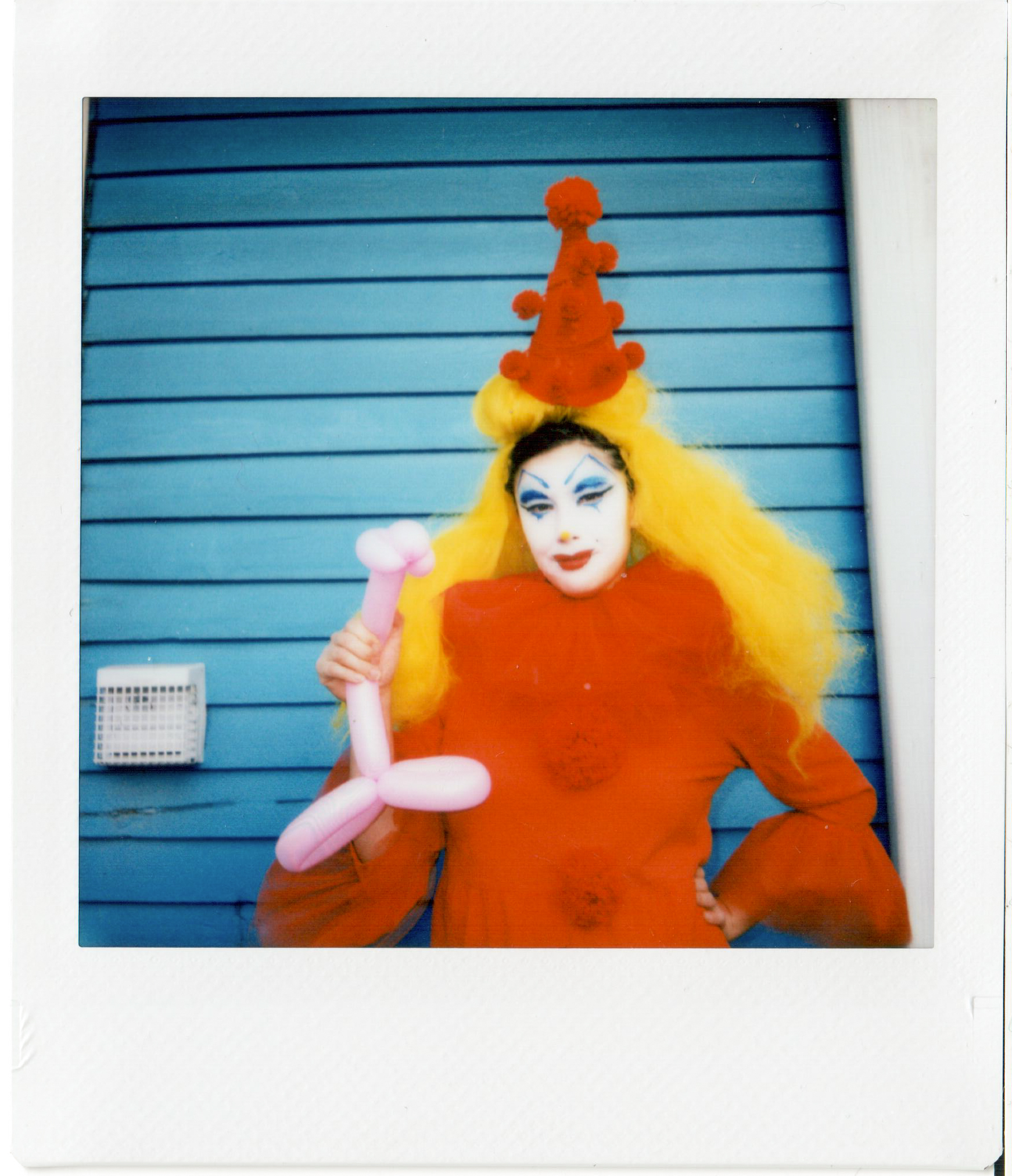
Eat shit!
Krewe Divine