Possession (1981)

EPSON MFP image

fivestar

Let’s just get this out of the way: Possession is a masterpiece. It’s a cold, incomprehensible film that confidently unleashes cinematic techniques like deadly weapons. Filmed in Berlin in 1980, Possession occupies harsh, uncaring architectural spaces, but populates them with passionate characters that remain in constant, violently fluid motion. The camera moves with them, rarely allowing the audience to settle as it chases its tormented subjects down sparse rooms and hallways like a slasher movie serial killer. In one shot the central couple undulates back & forth in front of a blank white wall, constantly swirling around each other during a bitter argument, but seemingly going nowhere as if trapped in a void. The film feels like a visual manifestation of madness, inertia, and heartbreak all rolled into one dizzying package. It captures the cold horror of divorce & separation and transforms it into an unknowable evil. It’s one of the scariest movies I’ve seen in quite some time, but finds its horror in ambiguity instead of a tangible, comprehensible threat.

That’s not to say there aren’t the typical on-screen genre-signifiers of horror in the film. There is gore. Characters bleed at the impact of sharp instruments and are confronted by humanoid demons, but these aspects serve more as exclamation points than the main attraction. With a title like Possession and the heavy synths in the opening theme, it’d be reasonable to expect a straight-forward 80s zombie or vampire flick, but the film refuses to be pinned down so easily. If Possession were to be understood as a creature feature, the monster in question would be the coldness of romantic separation. When a character supposes early in the film, “Maybe all couples go through this” it seems like a reasonable claim. The bitterness of divorce, loneliness, and adulterous desire then devolve into a supernatural ugliness. The main couple frantically move about Berlin as if drunk or suffering seizures, downright possessed by their romantic misery. Their own motion & inner turmoil is more of a violent threat than the film’s most menacing blood-soaked monsters or electric carving knives.

For a taste of the film’s fascinatingly bizarre sense of movement, the Crystal Castles music video for “Plague” samples key scenes and repurposes them as demonic, Kate Bush-style interpretive dance. It could possibly spoil some striking images, but the film’s plot is mostly spoiler-proof in its intentional obfuscation. The Berlin setting, the sound design in the final scene and the protagonist’s confession that he’s “at war against women” all allude to the possibility of a war allegory subtext, but it’s not explicit or concrete. If anything, characters are at war with themselves and the uncaring nature of the world they occupy. When Sam Neill’s protagonist confesses “For me, God is a disease” it’s easy to empathize. Whoever created the cruel, heartless world of Possession and brought life into it must have at least been as callous as a disease. With its brutal momentum & inevitable bloodshed it’s a terrifying hellscape, especially if it’s something that “all couples go through.”

-Brandon Ledet

Häxan: Witchcraft Through the Ages (1922)

witch

fourstar

Although it was made a few years before the term “documentary” was coined, Häxan was far from the first non-fiction film ever made. It may, however, be the first documentary to ever be billed as a horror film. Based on the painstaking research of Danish writer/director Benjamin Christensen, Häxan is a hot-button doc that pretends to be about the “real” history of witchcraft, but is in truth a condemnation of how modern society deals with mental health. Although it begins & ends with lectures on antiquated notions of geography and health care, most of the film consists of live reenactments of medieval depictions of witchcraft that often blend the film’s documentary genre with classic silent horror. The reenactments are not only the sugar that helps the medicine go down. They’re also technical marvels that made Häxan the most expensive Scandinavian silent film ever made and a cinematic outlaw in countries that found its depictions of witches & devils to be blasphemous.

In its reenactments, Häxan looks like what you’d get if Fritz Lang’s Metropolis were set in Hell. Devils wag their tongues and suggestively churn butter while witches make potions out of thieves’ fingers, cat feces, and doves’ hearts. Women are lured out of their marriage beds by demons for late night naked dance parties and rub salves on each other’s backs that give them the ability to fly around on brooms. In these scenes, Häxan is the most metal 20s movie I’ve ever encountered. There’s so much wild imagery in the costuming and practical effects that I swear I’ve seen directly echoed before in VHS-era creature features like Nightbreed, Demons and C.H.U.D. The movie’s late night witches’ councils could also pretty much be considered source material for Kate Bush’s incredible “Sat in Your Lap” music video. Although Häxan boasts a serious message it deeply cares about, there’s no denying that it has a lot of fun in scaring the shit out of people with the medieval “The Devil takes many shapes” concept. Recreating live-action versions of witchcraft from art history is the film’s bread & butter, even if Ben Christensen had a loftier purpose in mind.

As devilishly fun & influential as the reenactment scenes are, Häxan (like a lot of hot button documentaries) is ultimately a huge downer. When the film returns to the real world to draw the thread between how women with mental illness have been treated in the past (as witches) and how they’re treated in the present (as lepers & pariahs) the naked dance parties are a far off memory and a flood of more sobering thoughts comes crashing through. The narration explicitly states “The Devil does not belong to the past” and asks “Isn’t superstition still rampant among us?” as depictions of the horrors of modern mental institutions and shady health care practices play out on the screen. Christensen then smartly returns to the opening depictions of the crystal spheres & bowl-shaped landscapes people once believed to be the science of the Universe’s structure, calling into question the validity of modern scientific consensus. Even nearly a hundred years since Häxan’s release, the sentiment is still potent. There are still huge flaws in our treatment of mental health & we still need flashy, sinful entertainment to draw our attention to them. Along with its hellish practical effects & creature design, the film’s central message has a surprisingly long shelf life.

Häxan is currently streaming on Hulu Plus.

-Brandon Ledet

The Running Man (1987)

EPSON MFP image

fourstar

campstamp

In honor of Arnold Schwarzenegger’s induction into the WWE Celebrity Hall of Fame, it seemed appropriate to revisit 1987’s The Running Man, a pro-wrestling meets dystopian sci-fi film that helped cement the actor as a cultural icon.

Some action movies feature exploding heads, but few include them by the end of the opening credits. In this violent video game of a movie, human heads are not only exploded in the opening sequence, they’re also burned, shot, impaled and electrified later on. All of this head-squashing takes place around Ben Richards, a former soldier being framed for the deaths of innocent women & children, as he becomes an unwilling contestant on a sadistic gameshow. Richards must fight his way through a gauntlet of assassins (each with their own wrestling-friendly gimmick personas like Fireball, Buzzsaw, Dynamo and Subzero) as bloodthirsty spectators, including grandmothers and children, watch on eagerly. The dystopian hell of Running Man is set in 2017, but thankfully the game shows of today have not sunk to the depraved levels predicted in the film (if you don’t include Fear Factor).

The original host of Family Feud, Richard Dawson, plays the show’s sleazy, always inebriated host in a performance that doesn’t feel far removed from how Dawson himself acted on his real-life gameshow (where he shamelessly kissed & fondled contestants). Dawson chews the scenery every time he’s on-screen, but is just one of the many memorable cameos in the film. Mick Fleetwood, the infamous drummer for Fleetwood Mac, also makes an appearance as a coked out revolutionary. Then there’s the former governor of Minnesota & pro wrestler Jesse “The Body” Ventura as Captain Freedom, who pummels Richards inside a steel death cage in the film’s best scene. As well as being the best, the death cage scene is also the film’s most violent, because in Running Man the two are one in the same.

Truth is, although Arnold’s protagonist in the main attraction, The Running Man never feels like his film. Easily upstaged by the bigger personalities around him, Ben Richards is one of the weaker roles of Arnold’s career. For most of the film he is simply there, acting like a dick until he has to step into action and kill something. He does have a few good one-liners, though, like the Arnold staple “I’ll be back” and my personal favorite, “I’ll tell you what I think of it: I live to see you eat that contract, but I hope you leave enough room for my fist because I’m going to ram it into your stomach and break your goddamn spine!” Despite the one-liners, even María Conchita Alonso (as Arnold’s standard girl-he-kidnaps-who-then-falls-for-him) gives a fiery performance with what little room she is allowed, sometimes outshining Arnold’s.

According to Wikipedia, Arnold stated that the director “shot the movie like it was a television show, losing all the deeper themes.” He is right in that The Running Man never really delves into the social satire that was present in the 1982 Stephen King novel the film was based on. Instead, the film is highly entertaining because of its over-the-top violence, breakneck pacing, and great cameos. I doubt King is a fan of professional wrestling, but the film adaption of The Running Man is like an ultra-violent WrestleMania. Vince McMahon would approve even if King & Schwarzenegger didn’t.

-James Cohn

Zombeavers (2015)

EPSON MFP image

three star

campstamp

Zombeavers is a deeply stupid movie. Just a remarkably dumb piece of work. Its irreverent “potty humor”, skin-deep characters, theatrical sex, and leering lipstick lesbianism all feel like the musings of a particularly gross twelve year old boy. Its endless fascination with the double entendre of the word “beaver” is about as corny as its central conceit. A lot of the dialogue is merely a long string of insults (so much so that you could probably apply our See No Evil Drinking Game here and leave fairly sloshed). The zombie-beaver hand-puppets look like garbage. It’s just an undeniably bad movie. I enjoyed it anyway.

Zombeavers is not just a dumb movie; it’s a faithful sendup of dumb 80s horror. Sorority sisters on retreat in a remote cabin find flimsy excuses to strip nude and have loud sex with their airhead boyfriends. They’re punished for their transgressions by an army of murderous, undead beavers that have been transformed by toxic waste polluting the river. As if toxic waste & horny campers being murdered isn’t enough of an 80s throwback, it also boasts a John Carpenter nod in its opening credits & title card to drive the point home. Thankfully, its most faithful 80s sendup is in the practical effects of the beavers & the gore. The beaver puppets don’t look particularly professional, but they have a handmade charm to them that’s missing from a lot of modern horror cheapies, especially in The Asylum mockbusters like Sharknado & Mega Piranha. If the movie had opted for CGI over practical effects, it would’ve been a total slog, but it instead manages to succeed in the choice to chase a homemade, DIY, VHS aesthetic. I might not have laughed at most of its verbal stabs at humor, but the beaver attacks had me howling.

Yes, the humor is hokey and the “beaver” quips are especially relentless. One character even pleads “Can we please stop with the beaver jokes?” in the film’s most genuine moment. However, I’m going to choose to believe it’s cheesy on purpose. It’s not like corny jokes & shoddy puppets didn’t work for folks like Peter Jackson just a few decades ago. It’s a winning formula. Besides, there are a couple moments of absurd brilliance in the script as well, like in the line “We can’t turn on each other right now. That’s exactly what the beavers would want.” I also chose not to turn on the film, the same way the horny, beaver-persecuted sorority sisters chose not to turn on each other. Zombeavers’ hokey banter was bullshit, but the practical effects & 80s horror throwbacks really worked for me. It worked for me so much that when a post-credits stinger promised (or threatened, depending on your perspective) a second instillation in the form of Zombees, I was totally on board. I’ll even throw out a few suggestions for a Part Three: Zombeetles, Zombengals, Zombeagles. Keep ‘em coming, ya violent goofballs. And don’t lose the puppetry.

-Brandon Ledet

ABBA: The Movie (1977)

EPSON MFP image

three star

campstamp

In our recent conversation about the Village People movie Can’t Stop the Music, I asked Britnee if it’s possible to make a legitimately-great disco musical or if the two genres were fundamentally irreconcilable. Britnee answered with a resounding “Yes!” but I remained somewhat unconvinced. The repetition inherent to disco makes a musical film’s plot feel like its idling in a way that a more narrative-intense music genre wouldn’t. Can’t Stop the Music’s musical numbers were strange Village People music video-type interjections that barely interacted with the film’s completely unnecessary plot involving Steve Guttenberg’s DJ career and some out-of-place heterosexual shenanigans. The movie’s disco & plot mixed just about as cohesively as oil & water.

ABBA: The Musical brilliantly sidesteps the problem by not even attempting to mix its plot with its disco. The movie does tell a half-assed story of about country music DJ assigned to interview the Swedish pop group on their Australian tour, but it’s entirely inconsequential. Early conversations between the DJ and his station manager are periodically interrupted with crowds chanting “We want ABBA!”, voicing exactly what the audience is thinking. The movie delivers the goods early on, full live performances of the band’s hit songs running almost continuously from about ten minutes in. ABBA: The Musical is essentially a concert film in disguise, the Australian DJ’s story arc serving mostly as filler. Between the live performances, he conducts street interviews with fans, reads about the group member’s individual personalities in magazines, and struggles to make his way backstage at their concerts. Where Can’t Stop the Music made the band it was marketing second to its superficial plot, ABBA: The Movie is smart to do the exact opposite, always putting the band first & the fiction second.

Honestly, Can’t Stop the Music is a much more interesting film (especially in its choice to obscure both its subject’s homosexuality and the disco scene’s rampant drug use), but ABBA: The Movie isn’t without its own strange subtext. There are some questionable inclusions in the film’s attempt to push its product. If they were trying to make the group seem hip to kids, it may not have been the best idea to include street interviews where parents praise the music as “nice & clean”. In direct contradiction, there’s a lot made of singer Agnetha Faltskog’s award-winning ass, which is talked about & filmed so much it’s easy to think of her as the Nikki Minaj of her time. My favorite oddball choice is the endless parade of ABBA merchandise (hats, socks, buttons, beer mugs, picture books, etc.) on display while the group sings the anti-capitalist anthem “Money Money Money.” Then there’s an early press conference in which ABBA complains about the grueling ordeal of touring in a movie that glorifies their life on the road. For the most part, though, the film really does live up to the parental-friendly “nice & clean” image the band intentionally cultivated, making little attempt to mine anything under the surface.

There’s not much going on here besides the idea that ABBA is awesome and people who paid to watch their movie mostly just want to watch them play their music. It’s a honest concept I can get behind. Although the film may lack the more bizarre connotations of Can’t Stop the Music, it’s very easy to get swept up in its straightforward “ABBA is awesome!” sentiment when the group is performing killer pop tunes like “Waterloo”, “S.O.S.”, “Mamma Mia” and, of course, “Dancing Queen”. It’s downright fascinating how thick the 70s cheese is here, considering it was released the same year punk starting poking its head out from dive bars and terrified parents across the world. It’s a flawed, corny film, but it’s one that delivers the product it promises. Of course the Australian country music DJ asides are mostly inconsequential, but they don’t overpower the band the same way the plot did in Can’t Stop the Music and they also help to break up the more laborious task a full-on concert movie from the group would’ve presented. All I really wanted from an ABBA movie was some great ABBA musical performances, which it delivered in abundance.

-Brandon Ledet

Near Dark (1987)

neardark

fourstar

In 2009 the war drama The Hurt Locker won six Oscars, including Best Picture, becoming the lowest-grossing movie to ever sweep the Academy Awards. What’s more astonishing is that in the Academy Awards’ 82nd year, Hurt Locker director Kathryn Bigelow became the very first & only woman to ever win an Oscar for Best Director. Five years later it’s still a feat that somehow has not been repeated. Unfathomably, no woman has even so much as been nominated for Best Director since Bigelow’s win. Bigelow herself struggled for nearly three decades to earn the accolade. With the exception of a couple box office successes like Point Break and (more recently) Zero Dark Thirty, her career is a frustrating succession of near-hits & complete flops. Her Hurt Locker Oscar was the pot of gold at the end of a very troubled rainbow.

If any of Bigelow’s less-successful pictures were destined to hit it big, it was 1987’s vampire-Western Near Dark. Striking the 80s vampire craze instigated by Fright Night & Lost Boys while the iron was hot, Near Dark made a commercial gamble by simultaneously reviving the much-less-hip Western genre, but it was still packed with so much 80s cool that it should have been a huge hit. Not only did Bigelow craft a film with stark imagery that could rival, if not top, anything you’d find in Fright Night or Lost Boys, she also employed synth wizards Tangerine Dream to provide the film with an era-epitomizing soundtrack. Tangerine Dream’s nightmarish score for Near Dark floats moodily in the background, building slowly like a thick fog until its heavy drums interject to match the escalating violence of the movie’s action. There’s so much 80s-specific brutality, sexuality, and pop music aesthetic to the film that it’s difficult to imagine why it flopped in the box office (before later gaining its rightful cult classic status).

Audiences’ reluctance to embrace the film may have to do with the slow, brooding pacing of its first act. Near Dark opens with a teenage cowboy hitting on a female stranger, luring her into his pick-up, and refusing to driver her home as she ominously worries about sunrise. It’s a great reversal of the typical dangers of a woman accepting a ride from a strange man, as the man’s life is eventually threatened by a bloodthirsty vampire coven as a result. It’s an chilling initiation into the world Bigelow establishes here, but it’s one with a slow build. The film doesn’t truly become energized until it follows the ritualistic nightly feedings of the coven as they hunt for meals in small town bars & back alleys. The open Western nighttime sky gives the film an otherworldly look, which is starkly contrasted with scenes like a rather lengthy & violent barroom altercation that’s aggressively relentless in its cramped containment. The vampires in Near Dark are confined to hotel rooms & the backs of trucks during daylight, but at night they’re free to prowl like a pride of lions. In some ways they’re portrayed to be as unfairly persecuted as the monsters of Nightbreed, but with the major difference that they actually murder people regularly & viciously.

Near Dark is not a perfect film. It frankly gets by more on style & mood than it does on content, but it’s so stylistically strong that it can pull off a lack of depth with ease. Just the basic concept of a Kathryn Bigelow vampire-Western with a Tangerine Dream soundtrack is enough to inspire enthusiasm on its own. Performances from the always-disturbing Lance Erikson, Bill Paxton as a perfect 80’s alpha-male/blowhard/murderous monster, and the kid who played the creepy little brother from Teen Witch go a long way as well. The movie’s gore, especially in its burning flesh & gunshot wounds, is surprisingly up to par with its art house visual tendencies and there’s enough police shootouts and vocal posturing to make even the most casual Tarantino fan gush. The film even remains loyal enough to the Western format to conclude with a lone cowboy riding into town on horseback for a final showdown. Bigelow may have not had her first commercial success until Point Break or won her career-defining accolades until The Hurt Locker, but she had already established herself as a formidable creative mind with the cult classic Near Dark, box office numbers be damned.

-Brandon Ledet

Exit to Eden (1994)

EPSON MFP image

three star

campstamp

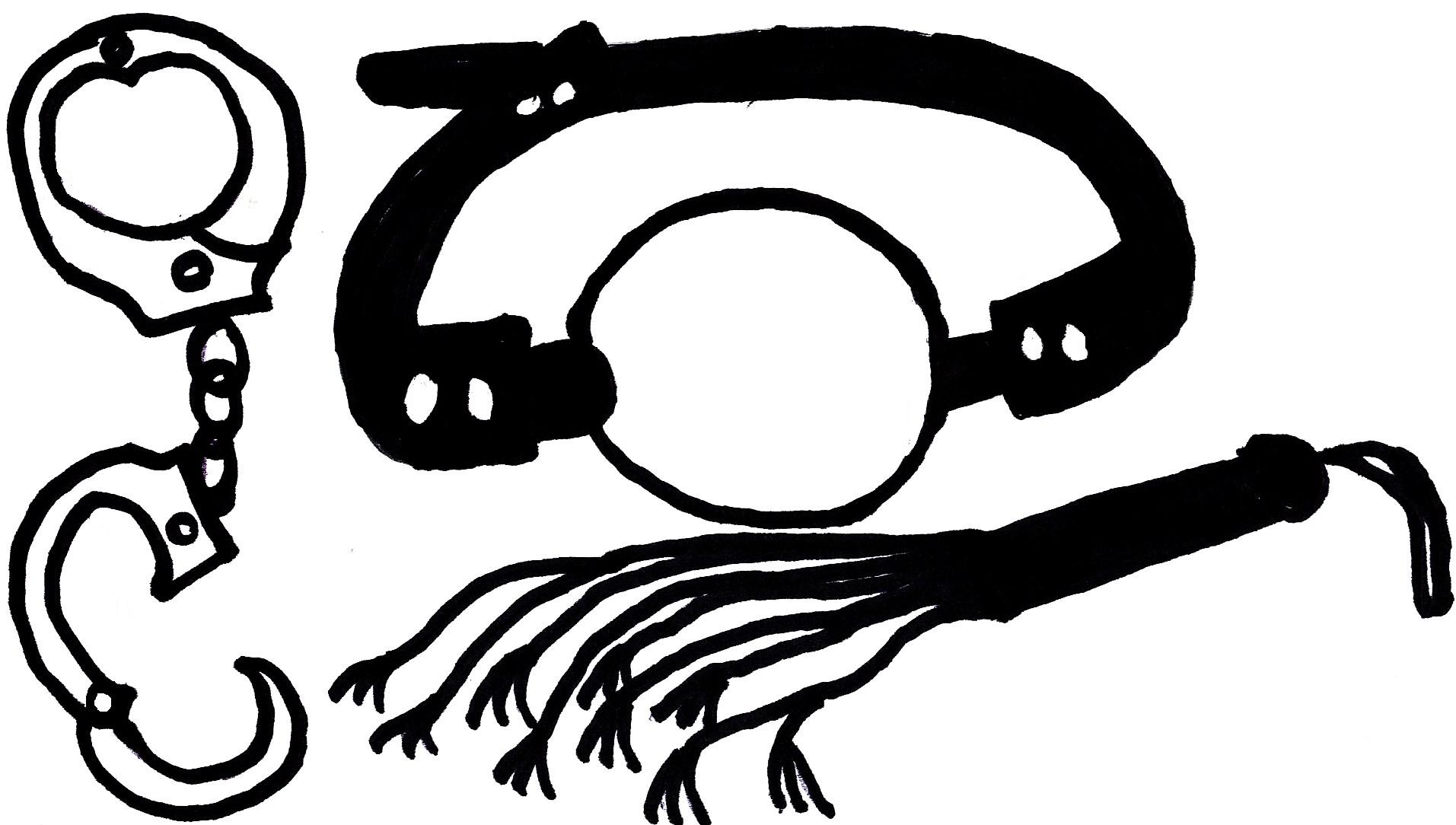
I’ve been both curious about and terrified of the Garry Marshall BDSM comedy Exit to Eden for some time now, but never worked up the nerve to actually watch it until late last week. Then there were just too many recent prompts to ignore them all. Not only did we at Swampflix cover the more questionable career choices of Exit to Eden’s stars Rosie O’Donnell & Dan Aykroyd last week, but the entire pop culture world was flooded with endless news & buzz for the upcoming 50 Shades of Grey film, the first mainstream Hollywood BDSM film since the “erotic thriller” genre’s heyday in the mid-90s. In addition to selling absurd numbers of pre-order tickets before it’s even released, 50 Shades is also receiving a huge amount of flak from the BDSM community for its portrayal of an abusive relationship that misses the point of kink entirely. I thought, “Well, it can’t miss the point any more than Exit to Eden” and finally gave the film a watch. I might be right.

Exit to Eden may not confuse kink with abuse the same way 50 Shades has been accused of, but it still manages to be insulting to the BDSM community. This is a world where people are into kink because they were spanked as children, need therapy, and can’t manage lasting, meaningful relationships. This is a world where dominatrixes go into business because they were emotionally manipulated by men, but all they really want is for the right Australian stud to seduce them so they can put down the whip forever. The film’s head dominatrix (played by Dana Delany) confesses, “I like to cuddle & giggle. After a hard day of smacking people, I like to cuddle.” This is a world where plain old cunnilingus is treated as just as outrageously adventurous as a violent flogging. When a character facetiously delivers the line, “‘Alternative lifestyle’ is just a phrase deviants use to cover up their sex lives,” you have to wonder if the film were being more sincere than it lets on.

There’s also a dismissive, above-it-all tinge to the “jokes” delivered by Rosie O’Donnell’s narrator/undercover cop that would make you think the movie wasn’t at all titillated by its kinkier proceedings, but it totally is! The shameless/outlandish erotica of the Anne Rice source material frequently pokes through O’Donnell’s snark and makes for a really uncomfortable clash of sentiments. On one hand you have O’Donnell basically shouting “Get a load of these freaks!” every few seconds and on the other there are long, leering scenes involving Dana Delany spanking a male sub & trying on bondage gear for the first time while soft rock plays in the background. It’s about as tone-deaf and self-contradictory as you would imagine a Garry Marshall BDSM comedy would be.

Marshall is essentially King of the Hokey. His Happy Days/Odd Couple/Mork & Mindy roots don’t exactly read like the perfect résumé for a sleazy Anne Rice adaptation. As fascinating as Exit to Eden is in a “I can’t believe someone actually made this” context, it’s rarely actually funny. The cheery pop music & corny gags are so violently at war with the sensuality they share space with that it’s hard to imagine who the intended audience was. There are a few jokes that pay off, like when Marshall’s own off-screen voice demands that his mistress pay him attention (if you’re familiar with his voice it’s easy to imagine why that’d be amusing). Dan Aykroyd is also surprisingly funny considering the material he’s working with. He’s in full, uptight Dragnet mode here, which makes gags involving leaf blowers, vibrators, and rumors about his impressively large penis land beautifully. Still, most jokes in Exit to Eden made me roll my eyes so hard I was afraid I’d finish the film legally blind.

It’s okay that this comedy isn’t actually funny, though, because there’s enough inherent weirdness in its clashing concepts that genuine humor might have been a distraction. Take, for instance, the fact that Aykroyd & O’Donnell both separately don bondage gear for the camera. If you were actually laughing during those scenes, it might release the emotionally-scarring tension that feels similar to walking in on your aunt & uncle’s “play-time” without knocking first. If the jokes were actually funny, you might laugh over the horrendously inaccurate New Orleans accents that plague the film’s final scenes. No, the best way to “enjoy” the horror of Garry Marshall’s & Anne Rice’s dueling personalities refusing to cohesively mix in a sex “comedy” is to experience it in abject silence, mouth agape, eyes unable to fully convince your brain that the images before you are actually a real thing that very real people brought into this unfortunately real world. Exit to Eden should not exist, but it most definitely does. It’s not a successful comedy, but it is an undeniably memorable one.

-Brandon Ledet

Killer Mermaid (2014)

EPSON MFP image

onestar

campstamp

The cover of Killer Mermaid (also known as Nymph or Mamula) is the main reason that I picked out this film. On the cover, there’s a girl in a bikini swimming in open water with a mermaid chasing after her. I knew it was going to be terrible, but I really was expecting it to be a bunch of fun like Piranha 3D orSharknado. Never judge a film by its cover. This movie was pure garbage and a complete waste of my time.

The beginning of the film was like a commercial for Sandals, except this was an all-inclusive shit show. Two American women, Lucy and Kelly, travel to Montenegro to visit one of their old college buddies, Alex. While they’re hanging out on Alex’s boat, they make the stupid decision of exploring Mamula, which is an island that was once used as a Nazi concentration camp. Once they’re on the island, they are hunted by a creepy, old fisherman who attempts to kill them in order to feed the killer mermaid that has yet to make an appearance. The killer mermaid is shown for less than 5 minutes at the very end of the film. That annoyed me so much because the only reason I wanted to watch the movie was to see a killer mermaid go on a killing spree or two. I didn’t want to spend an hour and a half watching a bunch of idiots trying to find their way off an island, but that’s exactly what ended up happening.

I’m getting bored just thinking about things to say about this boring movie. It was so hard for me to watch it until the end, but I had to find out if there was actually a killer mermaid. When she finally showed up for her 5 minutes of fame, she was a total dud. The scenery of Montenegro and Mamula was pretty incredible, but that was the only good thing about this entire film. Someone needs to take Killer Mermaid behind a barn and shoot it.

If you have absolutely nothing to do and want to waste 94 minutes, Killer Mermaid is currently streaming on Netflix.

-Britnee Lombas

The Boy Next Door (2015)

EPSON MFP image

three star

campstamp

“I really love your mother’s cookies.”

Jennifer Lopez’s new erotic thriller The Boy Next Door is the kind of movie you’d expect to find on Cinemax at two in the morning in the mid-90s. It is badly written, poorly acted, and campy to its core, but it’s also a lot of fun.

To quell expectations, the film starts with one of the lamest, most unnecessary montages ever. High school English teacher Claire is shown jogging through the park as melodramatic flashbacks of her crumbling marriage and the effect it had on her son Kevin are interspersed at random. Why the filmmakers chose to have a flashback in the first thirty seconds of the film when a few lines of dialogue could have done the same thing is beyond me, but it does establish the film’s “bad Lifetime Movie on steroids” vibe.

This sentiment continues when we are introduced to Claire’s seducer and new neighbor Noah, whose chiseled biceps appear on screen before his face. Handsome and charming, Noah quickly manipulates his way into the family’s inner circle by developing a bizarre, slightly homoerotic friendship with Claire’s asthmatic son Kevin. The two are supposed to be high school age but Noah looks closer to 30. Noah then moves on to seducing Claire by doing hunky things like fixing garage doors and working on cars in a sleeveless shirt. He even reveals his sensitive side (“Ah, poets. Homer, Shakespeare, Byron, Zeppelin, Dylan.”) and proceeds to win Claire over by buying her a first edition copy of The Iliad at a garage sale (huh).

One night, after a really bad date and a few too many glasses of wine, Claire gives in to temptation and lets Noah seduce her. That’s when the real fun begins. After Claire rejects Noah’s further advances, his transformation from hunk to psychopath happens almost instantaneously. What starts with double entendres like “I really love your mother’s cookies” & “It got real wet over here” quickly escalates to full-blown murder. Along the way we are treated to typical movie-psycho behavior: stalking, hacking email accounts, cutting people’s brakes, etc. This all leads to an absurd third act involving arson & eyeballs that approaches the high camp that could have made the film a true cult classic if there were only more of it.

Jennifer Lopez does the best she can with what she’s given but she alone can’t save the movie from coming across like a really crappy rehash of Fatal Attraction. There are lots of unintentionally funny moments, but the film doesn’t truly embrace its own badness until the last twenty minutes. The Boy Next Door isn’t going to be on any critic’s top ten list this year, but for fans of camp it is a trashy, highly entertaining mess.

-James Cohn

Séance on a Wet Afternoon (1964)

EPSON MFP image

fourstar

Picking a film to watch based solely on its title is sometimes the best way to have an exciting viewing experience. That’s exactly what I did when I decided to watch Séance on a Wet Afternoon. I knew nothing about the plot or cast, but the title seemed promising. What I expected to be an old supernatural horror film turned out to be a riveting psychological thriller about a deranged psychic, her anxious husband, and a kidnapping gone terribly wrong.

Kim Stanley puts on a flawless performance as Myra Savage, a psychic that is willing to do just about anything to publicize her talents. She is able to force her weak, docile husband, Billy Savage (Richard Attenborough) to kidnap the daughter of a high-profile couple so she can aid the police with finding the child’s whereabouts using her psychic powers. Myra is obviously mentally unstable and has one of the best mental breakdowns in cinema history at the very end of the film. One can’t help but feel sympathy for her husband because he’s so fragile and wants to please his wife so badly, but there’s definitely more than meets the eye with Billy. As the Savages get deeper into the kidnapping (or shall I say “borrowing”) of the child, they devise a plan to demand a ransom. While Billy may seem like a nervous mess, he does a great job of keeping calm while carrying out his plan to accept the ransom money, which leads to a very exciting cat-and-mouse chase through the streets of London.

This classic British film is full of top-notch acting and has one of the most unique storylines that I’ve ever seen in a movie. There are times when the film seems to be moving at a slow pace, but I can guarantee that there is never a dull moment. It’s really easy to dislike Myra, especially in the film’s opening scenes, but in her breakthrough moment at the end, there’s no doubt that those feelings will completely change. The development of her character from the beginning of the film to the end is really phenomenal. I really can’t get over how perfect Stanley’s acting is in this film. This is the only film that I’ve seen her in so far, but I plan on exploring some of her other work very soon.

Séance on a Wet Afternoon is currently streaming on Hulu Plus.

-Britnee Lombas