Fifty Shades of Grey (2015)

EPSON MFP image

twostar

campstamp

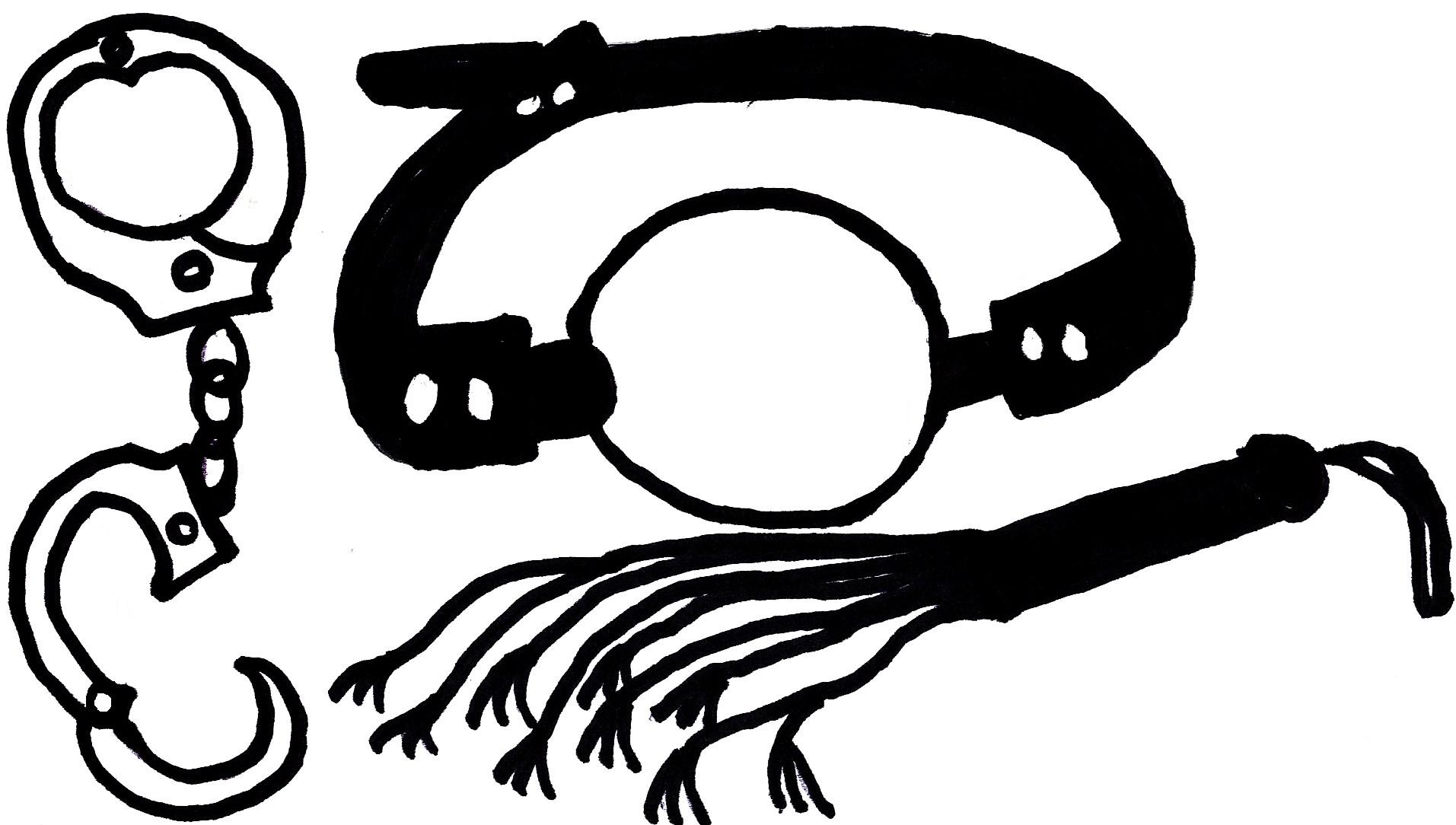
The best-selling erotic novel Fifty Shades of Grey recently made its long-awaited debut on the silver screen and, as a fan of the book series, I was very curious to see how this film could possibly be tame enough for movie theaters. What could have been one of the most iconic movies of the year turned out to be a total snoozefest. Literally. People in my theater were sleeping so hard they were snoring.

Fifty Shades of Grey is a film about a man incapable of love that falls for a hopeless romantic. What makes this average love story different from others is that he also likes to dominate his female partners in his “Red Room of Pain.” Christian Grey (Jamie Dornan) is a successful, attractive businessman that really enjoys the color grey. He has a grey office, grey ties, grey cars, etc. Anastasia Steele (Dakota Johnson) is a shy college student that earns the opportunity to interview the hottest billionaire in Seattle, Mr. Grey. After administering a truly crappy interview, she finds herself to be attracted to Christian, just as he finds himself to be infatuated with Ana. He instantly becomes disgustingly obsessed with her and takes time out of his busy schedule to make sure he knows her every move. There’s a mysterious aura about Christian, but Ana just can’t seem to figure out his big secret, even after he shows up at her hardware store job to buy cable ties, rope, and masking tape. Shortly after that uncomfortable encounter, he tells her “I don’t make love. I fuck. Hard.” Everything sort of went downhill after that.

I don’t understand how a film about a BDSM relationship could be so quiet and lackluster. There wasn’t very much dialogue between Ana and Christian, and that really didn’t do much to make their love for each other believable. There was so much awkward energy between the two that it just became too much to handle. In the book, which is told in first person by Ana, many of her internal emotions are discussed, but this isn’t really shown in the film. The film made it look like she really didn’t enjoy being dominated, and at some points, it seemed like she was being sexually abused. It’s been a while since I’ve read the novel, but from what I remember, she was actually enjoying the submissive lifestyle; she was just scared that she liked it too much. Something went terribly wrong when the information from the book was translated into a film script.

In all honesty, I didn’t expect much from this film. The book was pure smut, so I was prepared for a silly mess of a movie that it wasn’t. With lots of good one-liners, a wicked soundtrack, and an amazing slow-motion flogging scene, it was far from the worst movie I’ve ever seen. Actually, I’m kind of looking forward to the sequels.

-Britnee Lombas

Swampchat: Can’t Stop the Music (1980)

EPSON MFP image

Sometimes it takes more than one of us to tackle a film. Those are the times when we need a Swampchat.

Brandon:
Britnee, I took your recommendation on watching the Steve Guttenberg/Village People vehicle Can’t Stop The Music for its value as a camp fest and I gotta admit: it was thoroughly insane. The weird-ass costumes people wear to the disco, the Rock & Roll High School dance number at the YMCA, the impromptu backyard disco concerts (which are not a thing), Steve Guttenberg rollerskating to maddeningly repetitious lyrics about “New York, New York, New York”: the movie’s got a lot of weird energy. I’m not saying everyone was on cocaine, but c’mon, everyone was on cocaine. The characters talk incredibly fast, rapidly moving on from task to task like little chatty raccoons. When one character offers Guttenberg’s goofy DJ a joint it seems so out of place because marijuana is most definitely not these people’s drug.

The cocaine use isn’t the only thing that’s swept under the rug either. I find it so strange that The Village People, a pop group so conspicuously catered to fit disco’s gay audience, would star in a movie that pretends to be so fiercely heterosexual. I realize that it’s unrealistic to expect a PG comedy from 1980 to display its homosexuality openly, but this was also the year of Friedkin’s Cruising, so I’d at least expect something a little more than just offhand details like a flaming-baton twirler who proclaims “I’m James and flame’s my game.” I wonder if even the straight audience was rolling its eyes at the central “Are they gonna get together?” heterosexual romance the film didn’t need or deserve. As the story jumps around from one insane, loosely tied together scene to another I got the feeling that I was watching less of a professionally-made movie and more of a coked-out drag show trying its damnedest to come across as the heterosexual dance party it definitely is not.

Britnee, does the movie’s refusal to acknowledge its subject’s inherent homosexuality hold the film back or does it make for a more interesting viewing experience as a time capsule of a 1980 bias?

Britnee:
Prior to my first viewing of Can’t Stop the Music, I really expected it to have a good bit of homosexuality. The Village People were brought together to target the gay disco scene by French disco producer, Jacques Morali (sounds a bit like Jack Morell, right?), so they’ve always been a big deal to the LGBT community. Until this day it’s hard to go into a gay club and not hear “Go West” or “Y.M.C.A.” blaring in the background. Needless to say, I was disappointed by the amount of heterosexual romance in the film. It sort of made certain scenes difficult to watch, knowing that this was the time for homosexuality to shine. I guess the crew behind the film didn’t want to take a chance by going in that direction, which is a complete and utter shame.

The absence of much needed homosexuality really did hold the film back from being almost revolutionary. I have yet to see Cruising, but I remember reading about how much the gay community really disliked the film. If only a film that really celebrated homosexuality would’ve came out around the same time as Cruising, but no, Can’t Stop the Music didn’t have the balls to do so. As we all know, films that are daring and ahead of their time are the most memorable, so I can’t help but think about what the film would be known as today if the producers and writers were braver. I’m not saying that it would have Gone with the Wind status, but it would probably have a much larger cult following like the Rocky Horror Picture Show. Well, maybe not that large, but it would be way much bigger than it is today.

Brandon, do you think that the film is ok as just a campy classic or with better writing, acting, directing, etc., that it would’ve had a chance at being a memorable movie musical?

Brandon:
Honestly, I don’t think the movie ever stood a chance. Its basic premise required two things: rushing into production while both The Village People (and disco in general) were still hot commodities & also offering a product that was appealing to the widest possible audience. There was obviously a lot of pressure to clean up their act for discerning, “wholesome” movie-going families, which is why you get Steve Guttenberg, Bruce Jenner, and a flirtatious party girl eating up the runtime while The Village People themselves take a back seat. The writers still obviously had a little bit of fun sneaking naughty dialogue into the script. Lines like “You rotten pussy,” “Nice box,” “You sure get up quick,” “What were you doing? Cruising down Times Square?” and “Anyone who can swallow two snowballs and a dingdong shouldn’t have trouble with pride” stand out as writer’s room mischief. Then there’s the nudity in the “YMCA” dance-number, which you pointed out in your review. Either the censors were willing to let a lot more slide in 1980 or they fell asleep during the opening “The Sound of the City” number. It’s a shame the writers weren’t set free from the sanitized worldview presented in the film, but the film would never have been made otherwise. Turning The Village People into a cash grab meant making them as commercially-viable as possible & stripping them of any countercultural tendencies.

Another reason why the film was doomed from the start: disco is not suited for the movie musical format. Disco is dance music. You sweat to it, forgetting where you are for long periods of time as the repetition thumps all around you. Musicals need the songs to further the plot line, to flesh out a character’s story arc as they dance out their emotions. The repetition of disco makes a movie feel like it’s treading water. It can be maddening in a musical context. Both Xanadu & Staying Alive suffered from a similar downfall at disco’s repetitious nature in the same era of Can’t Stop the Music’s release.

Britnee, I trust you as a greater authority on both disco & musicals. Are the two formats irreconcilable? Was a truly great disco musical an impossible dream?

Britnee:
Personally, I really do enjoy disco musicals. Disco music is upbeat, catchy, exciting, and fits in perfectly into the musical experience. Of course, disco musicals usually don’t do a great job of having deep, serious story lines, but I think that’s what makes them so much fun. Sometimes it’s nice to watch something just for the entertainment value and nothing more. They may not do very well in the movie format, but when it comes to the stage, they’re much more successful. For instance, the Xanadu film is considered to be a catastrophe, even though I absolutely adore it. I was in love with Xanadu before I developed an interest in reading movie reviews, so I was completely heartbroken when I realized that so many critics disliked it. In recent years, Xanadu has become an award-winning Broadway musical, and although the story was changed up a bit, disco was still present in the production.

I really think the same thing can be done with Can’t Stop the Music. The ingredients for an amazing musical are there, but the recipe is a little off. One of the biggest mistakes in the film was that just about all of the songs were presented in a music video/live performance format and seemed so out of place. They should’ve blended with the scenes and involved other members of the cast participating in the singing. If a couple of brilliant minds would get together and work on remaking Can’t Stop the Music, it has the possibility of being a great musical. The reboot might not do very well on the big screen, but it definitely has the potential to be a Broadway hit. That would be a dream come true!

Lagniappe

Britnee:
Describing Can’t Stop the Music is a difficult task because nothing in the film makes sense, but it’s heaps of fun to watch. I wish I could go back in time to the late 70’s and put a stop to all of the film’s unnecessary heterosexual love. I would also demand more focus on the members of The Village People since the musical was supposed to be about them. If only time travel was more achievable! Maybe all of my wishes will be granted with a reboot in the form of a Broadway production?

Brandon:
I definitely think you’re onto something with the Broadway (or even off-Broadway) idea for a reboot. Hell, live disco musicals worked pretty well for both Mamma Mia! & (more recently) Priscilla, Queen of the Desert. Why not Can’t Stop the Music? I absolutely adore the Xanadu film as well, but I’m not going to pretend it’s not an objectively bad movie and I’m sure a lot of the Broadway audience felt the same way. It’s one of those properties you love for their faults & I could totally see a live performance being the perfect way to celebrate that spirit. Similarly, Can’t Stop the Music could be a blast with a live atmosphere, maybe even with dancefloor breaks so you can groove with the glitter-coated performers and run to the bar for drinks. There’s even a built-in title waiting to go: Can’t Stop the Musical! Talk about a dream come true!

I’m glad the movie version exists as is, though, even if the songs could’ve been incorporated better. In some ways the movie might benefit from having so much subtext covered up with its half-assed heterosexual posturing. Sometimes the transgression of the gay movie under the surface aching to peak its head out makes for interesting energy the film wouldn’t have otherwise. For instance, there’s the scene where The Village People sing “It’s time for liberation!” (in a film where they’re far from liberated) and there are weird details in the set design at their impromptu disco concert (again, not a thing) that look eerily similar to the patio from Friedkin’s other controversial gay movie The Boys in the Band (which you really should see in addition to Cruising; time has been kind to both). I obviously still would’ve wanted to see Can’t Stop the Music if it were more open about its inherent sexuality, but it made for a more complicated, memorable experience in its self-denial. Maybe we’ll one day be able to write a more honest version with a Can’t Stop the Musical, but as a cultural document & a bizarre viewing experience Can’t Stop the Music is engaging enough in its current, compromised state.

-Britnee Lombas & Brandon Ledet

Killer Mermaid (2014)

EPSON MFP image

onestar

campstamp

The cover of Killer Mermaid (also known as Nymph or Mamula) is the main reason that I picked out this film. On the cover, there’s a girl in a bikini swimming in open water with a mermaid chasing after her. I knew it was going to be terrible, but I really was expecting it to be a bunch of fun like Piranha 3D orSharknado. Never judge a film by its cover. This movie was pure garbage and a complete waste of my time.

The beginning of the film was like a commercial for Sandals, except this was an all-inclusive shit show. Two American women, Lucy and Kelly, travel to Montenegro to visit one of their old college buddies, Alex. While they’re hanging out on Alex’s boat, they make the stupid decision of exploring Mamula, which is an island that was once used as a Nazi concentration camp. Once they’re on the island, they are hunted by a creepy, old fisherman who attempts to kill them in order to feed the killer mermaid that has yet to make an appearance. The killer mermaid is shown for less than 5 minutes at the very end of the film. That annoyed me so much because the only reason I wanted to watch the movie was to see a killer mermaid go on a killing spree or two. I didn’t want to spend an hour and a half watching a bunch of idiots trying to find their way off an island, but that’s exactly what ended up happening.

I’m getting bored just thinking about things to say about this boring movie. It was so hard for me to watch it until the end, but I had to find out if there was actually a killer mermaid. When she finally showed up for her 5 minutes of fame, she was a total dud. The scenery of Montenegro and Mamula was pretty incredible, but that was the only good thing about this entire film. Someone needs to take Killer Mermaid behind a barn and shoot it.

If you have absolutely nothing to do and want to waste 94 minutes, Killer Mermaid is currently streaming on Netflix.

-Britnee Lombas

Séance on a Wet Afternoon (1964)

EPSON MFP image

fourstar

Picking a film to watch based solely on its title is sometimes the best way to have an exciting viewing experience. That’s exactly what I did when I decided to watch Séance on a Wet Afternoon. I knew nothing about the plot or cast, but the title seemed promising. What I expected to be an old supernatural horror film turned out to be a riveting psychological thriller about a deranged psychic, her anxious husband, and a kidnapping gone terribly wrong.

Kim Stanley puts on a flawless performance as Myra Savage, a psychic that is willing to do just about anything to publicize her talents. She is able to force her weak, docile husband, Billy Savage (Richard Attenborough) to kidnap the daughter of a high-profile couple so she can aid the police with finding the child’s whereabouts using her psychic powers. Myra is obviously mentally unstable and has one of the best mental breakdowns in cinema history at the very end of the film. One can’t help but feel sympathy for her husband because he’s so fragile and wants to please his wife so badly, but there’s definitely more than meets the eye with Billy. As the Savages get deeper into the kidnapping (or shall I say “borrowing”) of the child, they devise a plan to demand a ransom. While Billy may seem like a nervous mess, he does a great job of keeping calm while carrying out his plan to accept the ransom money, which leads to a very exciting cat-and-mouse chase through the streets of London.

This classic British film is full of top-notch acting and has one of the most unique storylines that I’ve ever seen in a movie. There are times when the film seems to be moving at a slow pace, but I can guarantee that there is never a dull moment. It’s really easy to dislike Myra, especially in the film’s opening scenes, but in her breakthrough moment at the end, there’s no doubt that those feelings will completely change. The development of her character from the beginning of the film to the end is really phenomenal. I really can’t get over how perfect Stanley’s acting is in this film. This is the only film that I’ve seen her in so far, but I plan on exploring some of her other work very soon.

Séance on a Wet Afternoon is currently streaming on Hulu Plus.

-Britnee Lombas

Movie of the Month: The Masque of the Red Death (1964)

masque
Every month one of us makes the other two watch a movie they’ve never seen before & we discuss it afterwards. This month Brandon made James & Britnee watch The Masque of the Red Death (1964).

Brandon:
The Masque of The Red Death is one of eight films in the Corman-Poe cycle: a series of Edgar Allan Poe adaptations directed by B-movie legend Roger Corman for American International Pictures. The Masque is widely considered the best of the Poe cycle as well as one of Corman’s best films overall, a sentiment I wholeheartedly agree with. There’s so much about The Masque that’s firmly in my wheelhouse: over-the-top set design, an early glimpse of 60’s era Satanic psychedelia, Vincent Price taking effete delight in his own cruelty, a fatalistic ending that doesn’t stray from the pessimism of Poe’s story, Corman pushing the limits of what he can get away with visually on a shoestring budget. I love it all.

What struck me most on this recent viewing of The Masque is how well it’s suited for the Carnival season. With Fat Tuesday looming around the corner, it was impossible not to see aspects of Carnival in the masquerade ball hosted by Prince Prospero (Vincent Price). The cheap costumes & mockery of opulence is very much reminiscent of Mardi Gras parades. There’s even a scene where Prospero literally throws beads from a balcony shouting “Gifts! Gifts!” and scoffs at the greed of the people below. As the threat of The Red Death plague becomes increasingly severe, the masquerade takes on a “party while the ship is sinking” vibe New Orleans knows all too well. Horror films are usually tied to Halloween, but The Masque of the Red Death is distinctly akin to Mardi Gras in my mind.

James, do you also see Carnival in The Masque’s decadence, or does the Satan worship overpower that influence?

James:
Man, The Masque of the Red Death was awesome. The bold stylistic choices that Corman made on a limited budget and limited time (the final masquerade scene was filmed in a day) are astonishing. Some of the images in the film (The Red Death himself being the starkest) are mesmerizing. I think the film should also be noted for its pitch-perfect tone. Despite its macabre images, philosophical discussions of Satanism, and Prince Prospero’s nastiness, what could have been a dreary chore is instead a blast throughout.

In regards to the presence of Carnival in the film, I do think the masquerade ball scenes in particular have a very Mardi Gras feel to them. Masks with feathered beaks, gorilla suits, and a child masquerading as a little person don’t feel too far removed from the typical Carnival season debauchery. The Carnival feel also deepened a central theme of the film: lost souls celebrating a kind of momentary victory over Death. Ultimately, the film seems to have a nihilistic attitude towards Death, implying that the celebration is indeed a momentary victory and whether Christian, Satanist, or Atheist, we will all have to eventually confront an indifferent Death. But it also seems to find solace in our ability to shape our own existence while we are alive. This is echoed The Red Death’s climactic statement “Each man creates his own God for himself – his own Heaven, his own Hell.”

Britnee, what was your interpretation of the film’s philosophy on Death? Is it wholly negative?

Britnee:
This was my first time viewing The Masque of Red Death, and I have to say that I was blown away. Vincent Price as Prince Prospero was dynamite. I was so close to hiding under the covers during the close-ups of his signature evil stare, but seconds later, I was imagining what it would be like to have a conversation & afternoon tea with him in one of those seven colored rooms. Also, one of my favorite things about the film was the set and costumes. I know the look was supposed to have a Medieval vibe, but I really felt that I was at a Satanic drug dealer’s mansion party in the early 60s. All that was missing was the orange shag carpet.

As for my interpretation of the film’s philosophy on Death, I’m honestly not 100% sure. Death has always terrified/interested me, and I caught myself really falling into some deep thoughts about it while watching this film. The Christians and Satanists in Masque both experienced violent deaths, and neither of their higher powers swooped in to save them or give them a miraculous second chance. I guess the film is trying to show that Death cannot be avoided, regardless of power or faith. In the end when The Red Death states “Sic transit gloria mundi,” which literally means “Thus passes the glory of this world,” everything sort of hit me. Life can be very short & leave without warning, whether you’re a Christian villager living in poverty or a wealthy Satanic prince; it’s coming for us all!

Something else that stuck out was the interesting relationship between Prospero and Francesca. After sparing Francesca’s life, Prospero brings her to his castle to make her his consort and gives her a taste of his world. He becomes very intrigued with Francesca’s innocence and faith. As for Francesca, there are times where it seems as though she is giving in to temptation, but simultaneously she is in constant focus on her escape.

Brandon, what themes do the relationship between Prospero and Francesca bring to the film?

Brandon:
It’s reasonable to assume that Prospero wasn’t always the cruel tyrant we meet in the picture. He didn’t emerge from the womb executing peasants and cursing God. Prospero’s poisonous personality was likely the result of a gradual corruption of his soul, an evil born of his prosperous upbringing. Raised with untold wealth & influence, he came to rule over his fellow human beings like an unforgiving deity. Unsatisfied with the power his privilege as Earthly nobility affords him, he reaches even further beyond this realm and makes a deal with Satan in an attempt to overcome Death. Yet, there’s a little speck of good left in Prospero’s heart, which I think is what we see in his treatment of Francesca. At times he tries to prove that even her innocence can be corrupted because he wants to be assured that his own wickedness can be found in every person’s heart. He even asks her to join him in mocking the greed & decay in the guests at the masque, because he believes all people to be as amoral as he is. At other times, he goes out of his way to protect her and spare her life, an instinct that surprises even The Red Death. The only other glimpse of good we see in Prospero is when he asks his guards to spare a baby’s life at the gates. Although he is beyond redemption, (not that redemption matters in the eyes of Death,) Francesca affords Prospero his last chance to act like a true human being.

Then there’s the fact that the actress who plays Francesca, Jane Asher, was just achingly beautiful. So beautiful, in fact, that she was in a relationship with & at one time engaged to Sir Paul McCartney in the 60s. She was attractive enough to snare a Beatle during the fever pitch of Beatlemania, so surely a demented prince who can’t even cheat Death wouldn’t stand a chance against her charms. Perhaps simple lust spares her life. I think Francesca stands out here as a hip youngster (maybe it’s all in those bangs?) and helps add to that 60s drug dealer mansion party vibe mentioned above. So much of the film feels rebellious in an anachronistic way. Prospero’s philandering is out of control. Lines like “Satan rules the universe!” and “Each man creates his own god for himself” are pretty edgy for 1964, even coming from the villains. Keep in mind this is still years before the New Hollywood, a movement Roger Corman cannot be praised enough for influencing.

James, how do you see the balance between the movie’s setting and the era in which it was filmed?

James:
The movie definitely has an edge that makes it still creepy and blasphemous over 40 years later. I wonder how much Corman was in tune with the counterculture of the time because, despite it being a British production, the film feels more like a deranged product of the 60’s San Fransisco hippie movement, like a horror version of Beyond the Valley of the Dolls; its macabre decadence fueled by lust and greed. It’s also most likely no coincidence that the epicenter of the hippie movement was the same place that the Anton Lavey established the Church of Satan in 1966. Themes like the destruction of social norms and an openness to sexual and spiritual experiences seem to be shared by The Masque of the Red Death, Satanists, and the hippies; “Each man creates his own god for himself” is THE basic philosophical statement of Satanism. I also think this is reflected in the dark, psychedelic imagery that The Masque of the Red Death and Satanist rituals share. (Photo for example)

satanist

Britnee, How strongly do you think the psychedelic aesthetic of the 60’s influenced The Masque of the Red Death? Any specific examples that stick out to you?

Britnee:
I think that The Masque of the Red Death was as psychedelic as it gets, at least for a horror film based in Medieval times. An example that really sticks out to me is the colors used throughout the film, most importantly, the use of red. Red usually represents blood, gore, and all the good stuff horror movies are made of, but when I also think of the term “psychedelic,” red is usually the color that comes to mind. After doing a little research, I found that the color red has a pretty long wavelength and very low vibration; this pretty much explains how the red tint that is present in multiple scenes really gives off this warm, draining feeling. Sounds a bit like the feeling you get after taking a hallucinogen or two, right? Also, all of those gaudy colors in the castle & clothing of Prospero and his pals can’t go without mention. While I’m not a Middle Ages expert or enthusiast, I’m almost positive that the colors of clothing and décor weren’t as bright and vibrant during that era as they are in the film. It’s obvious that the 60’s psychedelic aesthetic heavily influenced those hues.

Lagniappe

Brandon:
I’d just like to point out one last time just how early this film was released. A lot of what we think of as the hippie-dippie 60s came very late in the decade. The era-defining Summer of Love was in 1967, the same year Roger Corman dropped acid for the first time and fictionalized his experience in the film The Trip. The Masque‘s 1964 release positions the film as years ahead of its time. Corman was pulling off the Satanic psychedelia vibe the same year that Mary Poppins & My Fair Lady were huge cultural hits. I’m not saying Masque was particularly a major influence on the countercultural swell that was to come, but it at least was somewhat visually intuitive. And Corman himself did have direct influence on the later films that typified that counterculture, films like Easy Rider and Bonnie & Clyde. Even back then, when “don’t trust anyone over 30” was a motto to live by, he was the hippest geezer in the room and a filmmaking rebel.

Britnee:
After the discussion with The Swampflix Crew, so many ideas and thoughts about The Masque of the Red Death were brought to the surface. It gave me an excuse to watch the film a couple more times, and I fell in love with it more each viewing. The movie also got me hooked on the Corman-Poe films, so I’m currently trying to get my hands on all of them. The Masque of the Red Death was just a great balance of horror, suspense, and drama that gave me some really unsettling thoughts & a case of the willies. Great job, Corman!

James:
Really enjoyed the discussion of The Masque of the Red Death. Watching the film a second time and taking into account all the points you guys made deepened my appreciation and understanding of the film. Definitely want to see more Corman, especially the Poe films. As Brandon pointed out, Corman seemed to have his hand on the pulse of the counterculture and was always one step ahead of mainstream Hollywood. Truly a filmmaker ahead of his time.

-The Swampflix Crew

Upcoming Movie of the Months
March: James presents The Seventh Seal (1957)
April: Britnee presents Blood & Black Lace (1964)
Shrunken Heads (1994)

EPSON MFP image

threehalfstar

campstamp

Family members collaborate on films all the time, but when the Elfman family gets together for a film, things get really weird. Richard Elfman, the brilliant mind behind the film The Forbidden Zone, directed Shrunken Heads. Richard’s brother, Danny Elfman, composed the main title theme, and his son, Bodhi Elfman, plays the role of street punk Booger Martin. Add the sick mind of Charles Band to the mix, and you’ve got the perfect B movie.

Shrunken Heads is an abnormal superhero movie with elements of horror and dark comedy. A street gang viciously murders three boys from New York City, but it just so happens that the boys’ neighborhood pal, Mr. Sumatra (Julius Harris), is a Haitian witch doctor. He sneaks into the funeral home after the boys’ service comes to an end, saws off their heads & takes them back to his apartment to shrink them with magical powers. Sumatra is able to train the boys’ shrunken heads to use their new powers, and they begin to put an end to the crime in their neighborhood & take revenge on their killers. These three little heads float around the city streets like The Powerpuff Girls, killing all the bad guys & turning their victims into zombies. While doing his best to rid the streets of crime, Tommy (one of the heads), also tries to develop a relationship with his old girlfriend Sally, which is difficult since he’s dead & doesn’t have a body. Mr. Sumatra ends up being a love guru as well as a witch doctor and is responsible for one of my favorite quotes in the film: “Never have I seen or heard of a human head made so small to show affection of this sort.”

Being one of my favorite B movies of all time, I highly recommended Shrunken Heads to everyone because there really is a little something for everybody in this film. There’s action, comedy, drama, magic, love, lots of cool/cheesy special effects, and even a portrayal of the step-by-step process of making shrunken heads.

Shrunken Heads is currently available on Hulu.

-Britnee Lombas

Cake (2014)

EPSON MFP image

fourstar

Over the weekend, I was able to make my way to the movie theater to see Cake. I didn’t know anything about the film until I came across the trailer last Friday. Where did this movie come from and why didn’t I hear anything about it? Maybe it’s because of a lack of advertising or the fact that I’m so behind with the times. I was so eager to watch it that I was first in line to see it Saturday morning. I was surrounded by tons of silver-haired old ladies, so I was pretty much in my element. The film brought out some inappropriate laughter, gasps, and lots of tears from just about everyone in the audience. Cake was a movie for real people about real people, and I absolutely loved it.

Jennifer Aniston really showed the world that she could be more than just a funny, flirty girl who stars in a rom-com every now and then. In this film, she plays the role of Claire Bennett, a pill-popper recovering from an unknown, tragic accident. Claire has such a horrible attitude that she drove just about all of her friends and family away. The only person in her life is her paid housekeeper, Silvana (Adriana Barazza). In her support group consisting of other women dealing with unhealthy addictions, one of the members, Nina (Anna Kendrick) commits suicide by jumping off a freeway. After having a few confrontations with Nina’s ghost, Claire develops an obsession with Nina’s family and suicide. This strange little obsession actually helps Claire come to terms with her personal tragedy and take initiative to get better.

Cake is simply a sweet story with a good bit of crude humor and lots of heart. After reading a couple of reviews about the movie, critics did not seem to enjoy the film’s slow pace, but I really enjoyed the way the movie dragged on with no straight-forward answers. It allowed me to develop a connection with Claire; she’s a nut job that I want to be best friends with. I personally know a few individuals that suffer from chronic pain and pill addiction, and I was shocked at how authentic Aniston’s performance was. It was so spot-on that it was scary. Eating her prescription meds like candy, grunting and complaining all the time, and acting like she has nothing to live for. Even if you have no interest in watching this type of film, it’s worth sitting through just to witness Aniston’s impeccable acting. Her performance really “takes the cake.”

-Britnee Lombas

Can’t Stop the Music (1980)

EPSON MFP image
three star
campstamp
I’ll never forget the first time I discovered Can’t Stop the Music and all of its tacky goodness. My best friend and I were searching for a Friday night movie at Major Video, a great local video rental store that has sadly closed up shop, and we hit the jackpot. Waiting on the bottom shelf of the comedy aisle was Can’t Stop the Music. Deciding to rent it was one of the best decisions I’ve ever made in my life. This film’s got everything: an amazing soundtrack with loads of Village People tunes, bizarre dance routines, tons of exposed chest hair, and Bruce Jenner in his prime.

The film starts out with one of the greatest roller-skating scenes ever, and it’s personally my favorite part of the movie. Jack Morell (Steve Guttenberg) is skating around the streets of New York like a pro to the David London’s “The Sound of the City” after quitting his job in order to take a DJ gig at a nightclub. This scene is the reason I own a pair of roller skates; that’s how inspirational it is. Another unforgettable moment is the dance number the cast performs to the Village People’s mega-hit “YMCA.” There’s a bit of nudity (no surprise there) in this scene, which really makes me wonder how this received a PG rating. What was the MPAA thinking? I could list all my favorite parts of this movie, but that would probably take forever because the whole movie is just so bizarre.

Even though I’ve seen this movie a million times, I still don’t understand what it’s about. I guess that’s the magic of it? It’s basically supposed to be a movie about the formation of the Village People, but it’s really just a mess of terrible acting, a bad script, musical numbers that make no sense whatsoever, and crappy special effects. It’s no secret that the film didn’t achieve much success. Also, releasing a disco-themed musical in 1980 wasn’t the best idea since disco was pretty much dead. Can’t Stop the Music actually won the very first Golden Raspberry Award for Worst Picture and inspired John J. B. Wilson to start what is now known as the Razzies. If that’s not reason enough to see a film, then I don’t know what is.

Can’t Stop The Music is currently streaming on Netflix & Amazon Prime.

-Britnee Lombas

Nightbreed (1990)

EPSON MFP image

fourhalfstar

campstamp

There are many reasons why Nightbreed has a special place in my heart and I am honored to give this cult classic a positive review. Yes, it was a box office flop and doesn’t have the best reputation, but Nightbreed was a victim of bad decisions made by big shot producers. Clive Barker is the mastermind behind this fantasy-horror flick and, unfortunately, he was majorly screwed over by the production studio. For example, the marketing department failed to promote the film properly as a horror-fantasy masterpiece, but instead got lazy and advertised the film as a slasher flick. This film couldn’t be farther away from being a slasher flick; it’s pretty much the gold standard of monster movies.

Now don’t get me wrong, the plot is a bit puzzling, but at the same time, it’s just so unique. Aaron Boone (Craig Sheffer) suffers from recurring nightmares that take place in Midian, the home to a society of monsters. While Boone is struggling with trying to figure out exactly what’s going on inside his head, there is a serial killer on the loose. Boone’s psychiatrist, Dr. Philip Decker (David Cronenberg), is well-aware of his issue, and attempts to convince Boone that he is the killer. It’s really hard to explain the rest of the plot without spoiling the film, but basically the mysteries of Midian begin to unravel, a few unexpected twists occur, and everything gets a little out of control.

Honestly, the critics were kind of right about the film’s underdeveloped characters and confusing plot, but can’t a movie just be tons of ridiculous fun? I think so, and that’s really what Nightbreed is all about. With loads of gore, terrible acting, rad monsters, and an incredible score by Danny Elfman, what’s not to love?

Right now the long-awaited Director’s Cut of Nightbreed is available on Netflix. Watch it before it gets sucked into Midian forever!

-Britnee Lombas

Britnee’s Top 5 Staircase Tumbles

stairs

Who doesn’t love a good tumble down the staircase? They’re just so dramatic and over-the-top! I love them so much that I’ve decided to share my Top 5.

1. Death Becomes Her (1992) – Meryl Streep is better than everyone at everything, even falling down the stairs. Although there is more than one scene where her character, Madeline Ashton, takes a dive down a flight of stairs, the first fall takes the cake.

2. Hush…Hush, Sweet Charlotte (1964) – As Velma Cruther (Agnes Moorehead) is being very vocal about ratting out the film’s antagonist to the sheriff, a chair is smashed over her head and down she goes. Should’ve kept that mouth of yours shut, Velma.

(Note: that tumble takes place @1min30sec in that clip, but there are plenty of other great falls included there as well – even some from this list).

3. Kiss of Death (1947) – Ma Rizzo (Mildred Dunnock) is violently pushed down a stairwell in a poorly- constructed wheelchair. The wheelchair is so crappy that it falls apart before making it to the bottom. That poor “lyin’ old hag!”

4. Maternal Instincts (1996) – “Sorry? It’s too late to be sorry!” Delta Burke’s tumble down a set of industrial steps is the highlight of the film.

5. Fried Green Tomatoes (1991) – Ruth Jamison (Mary-Louise Parker) gets kicked down the stairs by her repulsive husband, and while it’s one of the films saddest moments, never has a fall been so graceful!

-Britnee Lombas